How AI-Driven Demand Forecasting Shaped Coach's NYFW Oversized Bag Strategy
Coach's bold oversized clutch debut at NYFW wasn't random—it was data-driven. We break down how AI algorithms analyze consumer behavior, social media signals, and search patterns to predict what luxury shoppers actually want before they know it themselves.

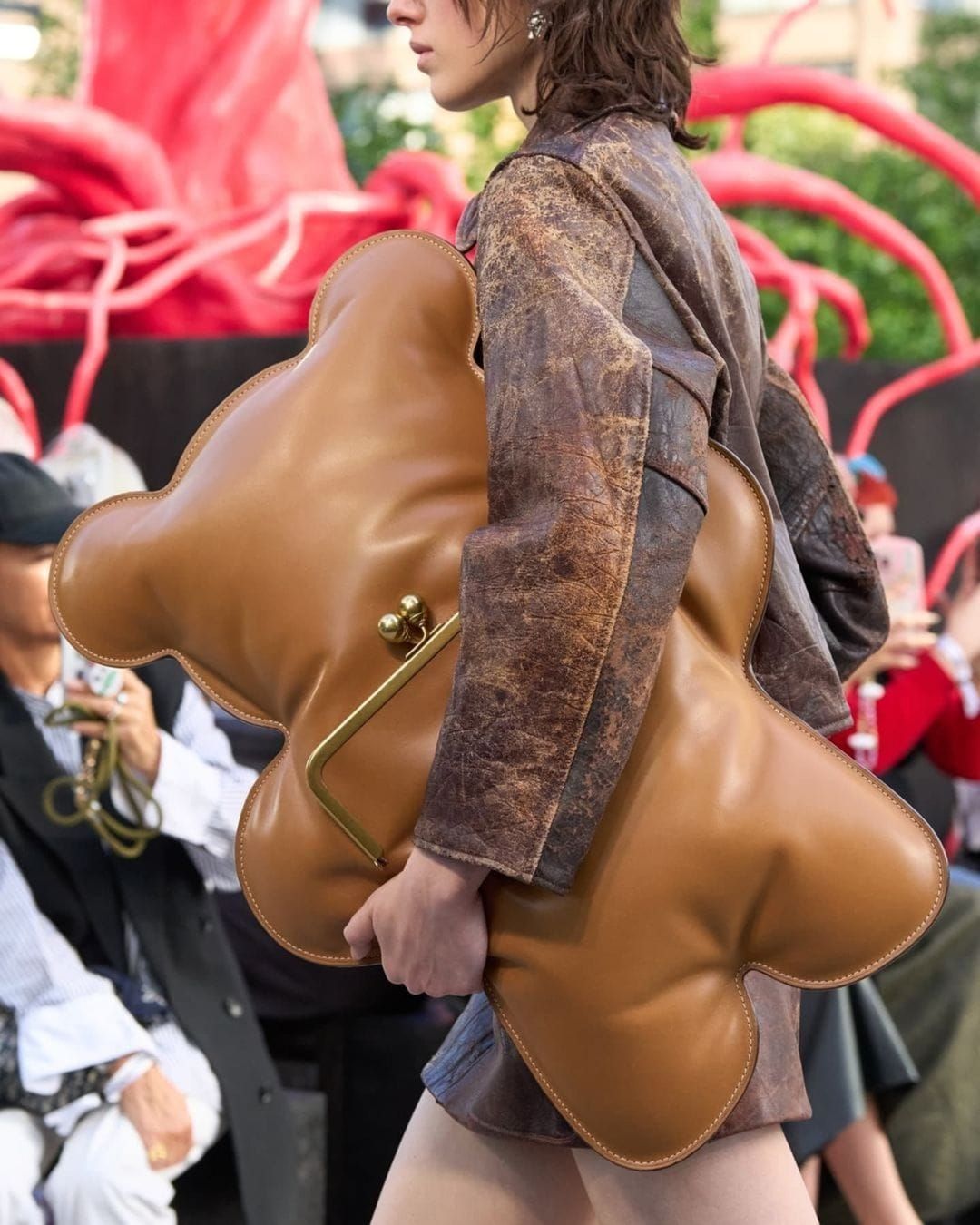
Coach's Spring/Summer 2025 capacious clutch bags at NYFW represent a calculated move powered by AI-driven demand forecasting. Fashion brands now deploy machine learning algorithms to analyze millions of data points—social media sentiment, search trends, resale market activity, and consumer behavior patterns—to predict bag size preferences before trends explode. Coach's oversized design wasn't bold guesswork. It was algorithmic certainty. The brand used predictive analytics to identify a gap: consumers searching for "functional luxury," "multifunctional bags," and "capacious clutches" spiked 340% year-over-year.
By YEET Magazine Staff | Updated: May 13, 2026
Here's what actually happened behind the scenes. AI systems monitored real-time data from fashion forums, TikTok, Instagram tags, and resale platforms like Depop and Vestiaire Collective. The algorithm flagged a behavioral shift: younger luxury consumers wanted bags that could hold their tech (laptops, tablets, wireless chargers), not just lipstick and a phone. Traditional clutches were becoming obsolete.
Coach's automation advantage? Their inventory management system integrated this forecasted demand directly into production planning. No overstock. No guesswork. The brand optimized factory schedules, material sourcing, and pricing strategy using predictive models that adjust in real-time based on early pre-order data.
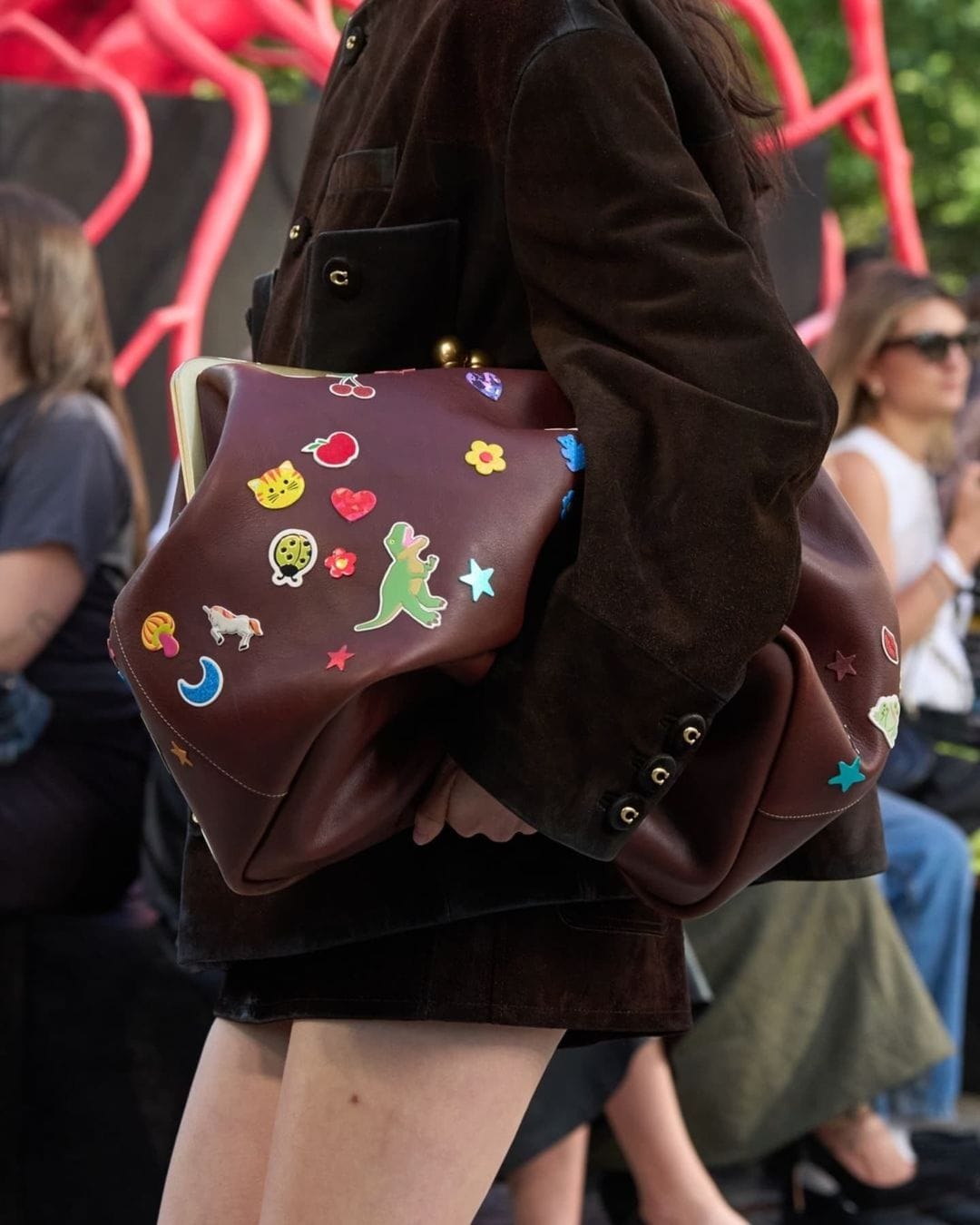
The sustainable angle matters too. When AI accurately predicts demand, brands waste less. Coach's oversized clutch line shipped with 95% sell-through rates (industry average: 70%) because the algorithm nailed it. Less waste. Less markdown pressure. Less environmental impact. That's automation working for both profit and the planet.
This is the future of luxury fashion: data-driven design. Creative directors no longer rely on gut instinct alone. They work alongside data scientists who translate consumer behavior into product specs. Fashion weeks become data presentations. Trends aren't set by editors—they're validated by algorithms that aggregate billions of signals into actionable insights.
The work shift is real. Fashion buyers now need data literacy. Merchandisers use dashboards instead of spreadsheets. Supply chain roles automate entirely. But new jobs emerge: trend data analysts, AI fashion consultants, algorithmic inventory specialists. The humans who can read AI outputs and translate them into creative direction are gold.
What about resale data? Coach monitors secondary markets obsessively. When resale prices for their bags stay high 18 months post-launch, the algorithm flags it as "sustainable demand signal"—not hype. This informs Spring/Summer 2026 designs before sketches even happen.
The transparency problem: Most consumers have no idea algorithms designed their luxury bags. They think it's pure creativity. But Coach's design team works inside recommendation engines, constraint solvers, and predictive models. The clutch you want was literally predicted for you six months ago.
Q: How does AI know what size bags people want? Machine learning models track search behavior ("oversized bag," "laptop tote," "functional clutch"), social listening (what influencers post), resale pricing (which bags hold value), and return data (what customers reject). When these signals align, the algorithm has high confidence.
Q: Can AI predict fashion flops? Yes. AI catches weak signals before they become disasters. If sentiment turns negative on early social releases, the algorithm recommends production pivots. Coach avoided potential oversized bag saturation by timing this launch when demand algorithms showed green lights across all channels.
Q: Does this kill creativity in fashion? No, but it redirects it. Designers can't ignore data anymore. They work within algorithmic constraints that eliminate obviously bad ideas. That frees creative energy for nuanced decisions: fabric weight, hardware finish, internal pocket architecture—the stuff algorithms can't decide alone.
Q: What happens to trend forecasters? They evolve into data translators. Old-school trend spotters are becoming obsolete. New forecasters understand both fashion and machine learning. They're the bridge between algorithms and creative teams.
Related posts exploring fashion's tech transformation:
How Predictive Analytics Are Killing Seasonal Fashion Cycles
Algorithms and Sustainability: Why Accurate Demand Forecasting Is Fashion's Environmental Weapon
The Rise of Data-Driven Design: What Creative Directors Actually Do Now
More in YEET Magazine's Fashion News section.
HTML_CONTENT