AI Can Now Detect Manipulators: How Algorithms Identify Toxic Behavior Patterns
Manipulators are evolving, but so is the AI designed to catch them. New algorithms can now identify narcissistic patterns and gaslighting tactics before they cause damage. Here's how tech is fighting back against manipulation in offices, online spaces, and remote work environments.

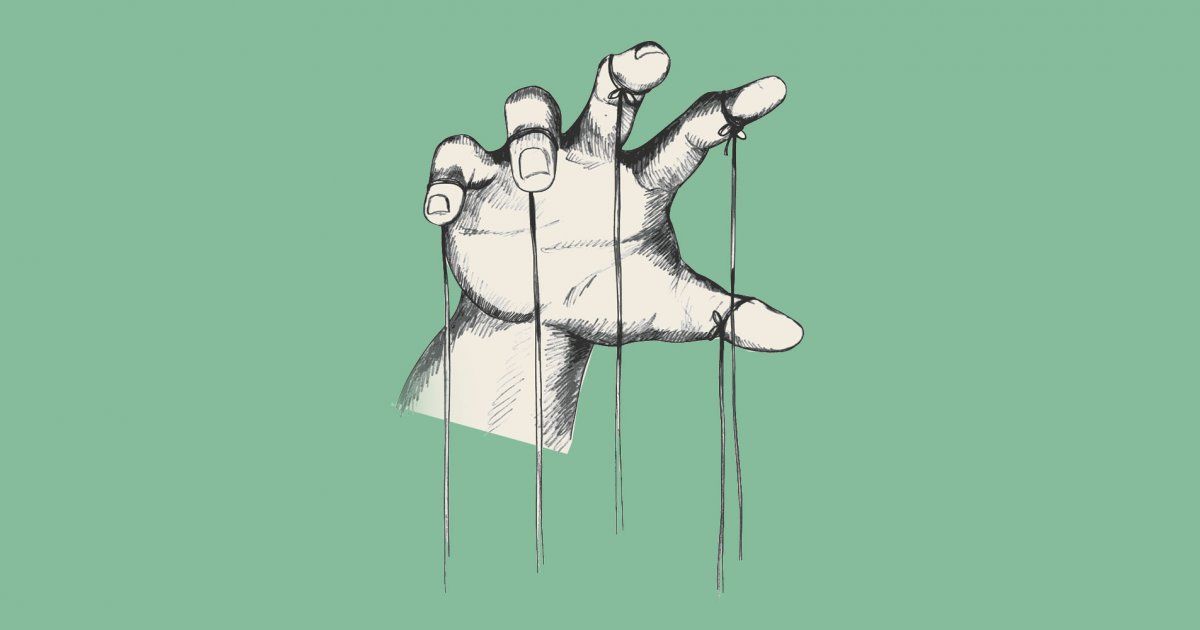
Manipulators thrive on staying undetected—until now. AI-powered behavioral analytics can now flag manipulation tactics like gaslighting, love-bombing, and isolation in real-time. Machine learning models trained on psychological profiles identify narcissistic patterns in communication, tone analysis, and interaction history. Companies are deploying these systems in HR departments, communication platforms, and remote work tools to protect employees before manipulation escalates. Understanding how algorithms catch manipulators is your first line of defense.
By YEET Magazine Staff | Updated: May 13, 2026
Manipulation has always been about controlling information and perception. The digital age has weaponized these tactics. Narcissists now operate across Slack channels, emails, and video calls—leaving data trails. AI doesn't judge; it pattern-matches. When someone consistently isolates targets, contradicts previous statements, or uses intermittent reinforcement (the carrot-and-stick game), algorithms flag it.
The Main Manipulation Playbook (And How AI Catches It)
Gaslighting. Making you question reality. AI detects contradictory statements across time and flags them. If someone denies saying something they said last month, communication analysis tools highlight the discrepancy instantly.
Love-bombing. Excessive flattery followed by withdrawal. Sentiment analysis algorithms notice the dramatic emotional swing and alert you to the pattern.
Isolation. Cutting you off from allies. Workplace automation tools now track communication networks. When one person systematically excludes you from group chats or meetings, it shows in the data.
Intermittent Reinforcement. Rewards and punishments on no schedule—keeps you hooked. Behavioral data reveals these unpredictable patterns quickly.
Blame-shifting. Making everything your fault. NLP (natural language processing) identifies responsibility-dodging language and deflection tactics.
Why Humans Miss What Algorithms Catch
Your brain is wired for connection. When someone manipulates you, they exploit emotional vulnerabilities. You rationalize. You make excuses. You forget past red flags. AI doesn't have emotions—it has perfect memory and pattern recognition across thousands of data points simultaneously.
Remote work has made this worse. You can't read body language. You rely on text and tone. Manipulators thrive in this environment. But so do detection algorithms.
Real-World AI Implementation
HR platforms like workplace behavior monitoring tools now include manipulation detection. Teams, Slack, and enterprise communication platforms are integrating sentiment tracking. Some companies use AI to analyze meeting transcripts for power imbalances and communication red flags.
Dating apps are testing manipulation detection. LinkedIn uses algorithms to flag suspicious connection patterns and predatory behavior. The tech is crude but improving.
How to Defend Yourself When AI Isn't Watching
Document everything. Screenshots, email chains, timestamps. Data is truth. Manipulators count on foggy memories.
Trust your gut before your logic. Your instincts detect patterns your conscious mind hasn't processed yet. If something feels off, it probably is.
Build a network. Isolated people get manipulated. Stay connected to people who can give you objective feedback.
Recognize the narcissist playbook. Knowing these tactics makes you immune. You'll spot the pattern immediately.
Use tech accountability. Record conversations (where legal). Save all communication. Make your interactions traceable and verifiable.
The Future: Predictive Manipulation Detection
Next-gen AI won't just catch manipulation after it happens. Predictive models will flag high-risk individuals before they cause damage. Personality assessments, communication analysis, and behavioral data will create risk profiles. This raises privacy concerns, sure. But so does letting manipulators operate unchecked in your workplace or relationship.
The real question: as AI gets better at detecting manipulation, will manipulators adapt faster? Probably. It's an arms race. But right now, the algorithm has the advantage.
FAQ
Can AI actually detect manipulation or is this speculative? It's happening now. Companies use NLP and sentiment analysis to flag suspicious communication patterns. It's not perfect, but it's real and improving.
Is manipulation detection algorithm bias a problem? Absolutely. If the training data reflects one culture's communication style, the AI might misread another. Context matters. Human oversight is still essential.
Should I be worried about AI monitoring my communication? Yes and no. Invasive surveillance is dystopian. But knowing your workplace uses manipulation detection might actually discourage toxic behavior.
How can I spot a manipulator without AI? Watch for inconsistent behavior, love-bombing followed by withdrawal, isolation tactics, and gaslighting patterns. Trust your discomfort.
Will manipulators start gaming AI detection? They already are. Social engineers study algorithms to stay undetected. This is why human judgment + AI is the winning combo, not AI alone.
Related Reading
Understanding narcissistic personality patterns in digital spaces
How workplace automation protects employees from toxic behavior