How AI Fashion Algorithms Are Predicting 2023 Trends (Before You Know Them)
Fashion brands are ditching guesswork. AI algorithms now analyze millions of social posts, runway shows, and purchase patterns to predict trends months ahead. Here's how the algorithm knows what you want to wear before you do.

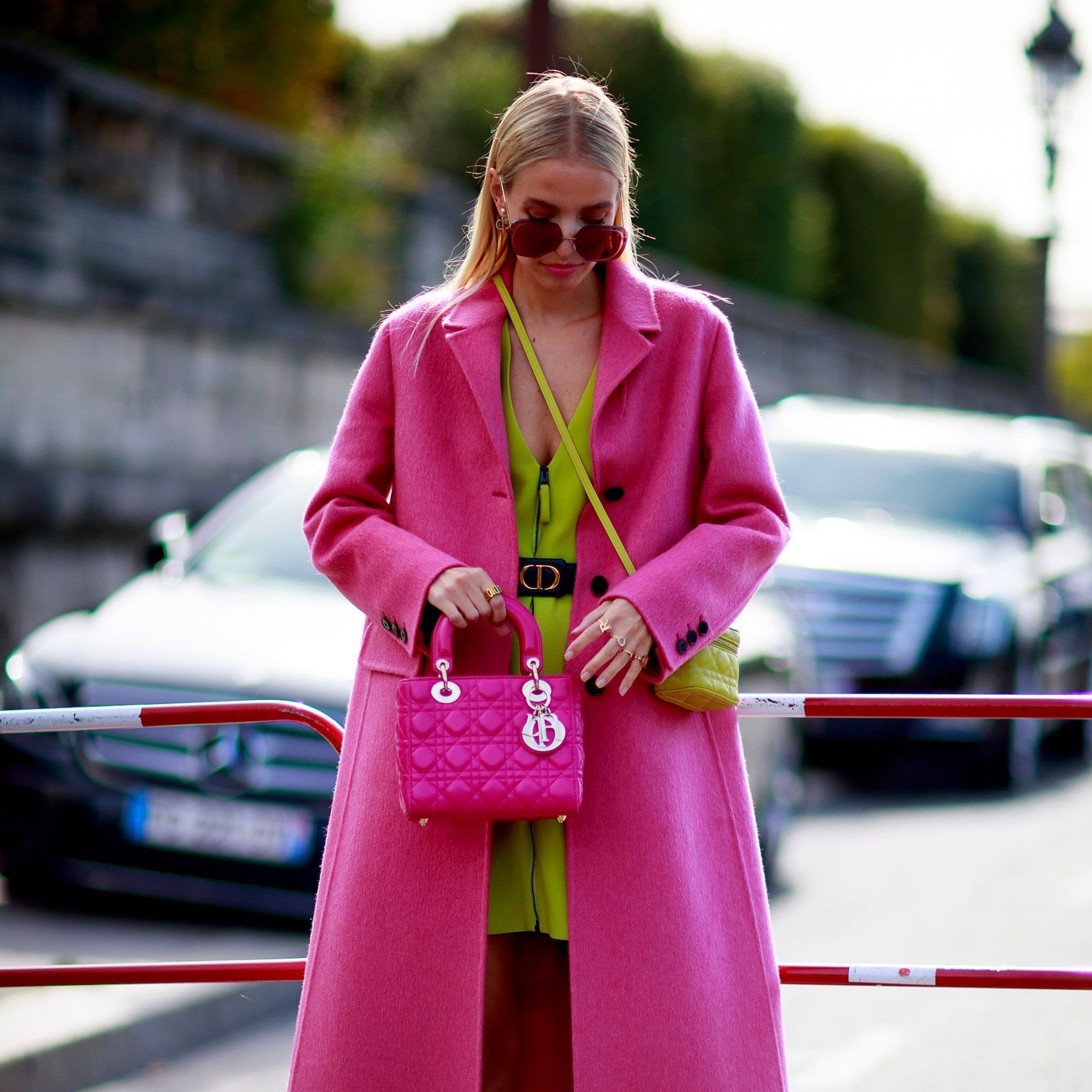
Fashion forecasting used to rely on designer intuition and runway vibes. Not anymore. AI algorithms now crunch social media data, search trends, and purchase patterns to predict what women will actually wear in 2023—sometimes months before trends hit mainstream. Pantone's "Very Peri" color? Probably optimized by an algorithm analyzing millions of data points across Instagram, TikTok, and fashion databases.
By YEET Magazine Staff | Updated: May 13, 2026
Brands like WGSN and trend forecasting platforms use machine learning to identify emerging patterns. The system works by scanning everything: influencer posts, user-generated content, retail inventory shifts, and even weather data. When purple suddenly spikes across 50,000 hashtags simultaneously, the algorithm flags it. Fashion houses get the signal, production adjusts, and boom—you think you discovered a trend organically.
The real shift? Personalization at scale. AI doesn't just predict macro trends anymore. It predicts what YOU specifically will buy based on your browsing history, purchase data, and behavioral patterns. Your algorithm-driven feed already shows you mini skirts, Very Peri jackets, and crochet pieces tailored to your taste profile.
This automation removes human bias but adds algorithmic bias. If an AI trains on data from wealthy, predominantly white Instagram accounts, the "trending" items it recommends will reflect that narrow slice of reality. The algorithm becomes a self-fulfilling prophecy—it shows trends to people most likely to buy them, which reinforces those same trends.
Retailers are obsessed because predictive AI cuts waste. Instead of manufacturing 10,000 units and praying they sell, companies now produce based on algorithmic demand forecasts. Overstock plummets. Fast fashion gets faster. The feedback loop tightens.
The future? Expect AI to compress trend cycles even more. What took 6-12 months to go mainstream in 2023 might take weeks by 2025. Real-time algorithms will inject micro-trends into the market within days of detection. Your closet won't belong to you—it'll belong to a predictive model.
What does this mean for your shopping habits? You're not discovering trends anymore. Algorithms are discovering them for you, then serving them back disguised as your personal choice. The Very Peri obsession? Not your taste. It's the output of a thousand data points processed by neural networks.
Curious how AI shapes what you wear? Check out our automation coverage for more on how algorithms control daily life. Or read about data's role in personalization to understand why your feed feels like it knows you.
People also ask:
Can AI actually predict fashion trends accurately?
Mostly yes, for macro trends. AI identifies patterns in massive datasets better than humans. But it fails at predicting breakthrough moments—like when a single celebrity makes something cool that wasn't in the data. The algorithm can't predict cultural shocks.
Do brands actually use AI for trend forecasting?
Absolutely. Companies like H&M, Zara, and luxury houses use machine learning to forecast demand, optimize inventory, and identify emerging aesthetics. It's standard industry practice now, not cutting-edge.
Is algorithmic fashion recommendation bad?
It's efficient but limiting. Algorithms trap you in preference bubbles—you see more of what you already like, which narrows your tastes over time. The trade-off: convenience versus discovery.
What happens when everyone gets the same AI recommendations?
Homogenization. If 10 million people use the same algorithm, they'll gravitate toward the same "recommended" trends. Fashion gets less diverse, not more, even though it feels personalized.
How does real-time trend detection work?
Machine learning models monitor hashtags, search volume, influencer mentions, and retail data 24/7. When metrics spike abnormally for a style element, the algorithm flags it as emerging. Brands get alerts in minutes.
Can you opt out of algorithmic fashion?
Not really. If you shop online, use social media, or browse retail sites, you're feeding data into predictive systems. Even thrift shopping gets algorithmically influenced now—resale platforms use AI to price and recommend vintage items.
Related reading: Learn how algorithms control your entire digital life. Or explore the future of work where automation reshapes entire industries—including fashion manufacturing and retail jobs.