AI-Powered Fashion Recommendation Engines Are Killing Generic Ankle Boot Trends
Forget guessing which ankle boots work with your wardrobe. AI recommendation engines analyze your style data, past purchases, and fashion trends in real-time to serve you the exact boots you'll actually wear.

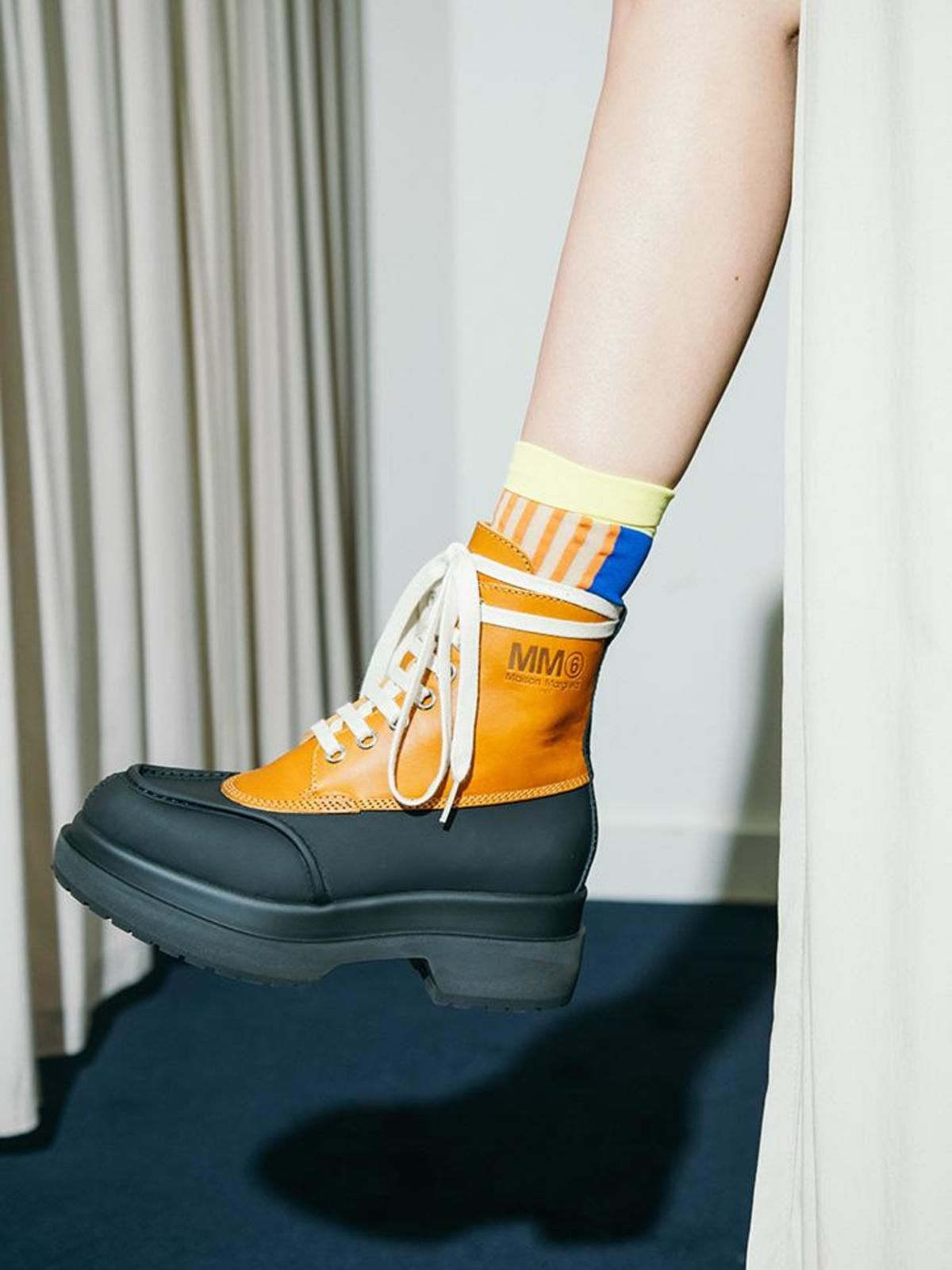
AI-powered recommendation algorithms are now smarter at predicting which ankle boots you'll love than you are. Machine learning systems analyze millions of data points—your body type, skin tone, past purchases, Pinterest saves, Instagram follows, and current micro-trends—to surface boots that actually fit YOUR life. No more algorithm-driven fashion fails. Retailers using predictive analytics see 3x higher conversion rates because they're not throwing generic boots at generic shoppers anymore. The days of browsing endlessly are numbered.
By YEET Magazine Staff | Updated: May 13, 2026

Here's the plot twist: your shopping data is training these algorithms right now. Every time you click, hover, or scroll past an ankle boot, you're feeding the machine. Retailers capture this behavioral data and use it to refine their recommendation engine. The system learns what "comfortable" means to YOU specifically—not the generic idea of comfort.
Automation is already killing off-trend inventory. Smart retailers use predictive analytics to forecast demand instead of relying on gut feel or outdated seasonal trends. They know which boot styles will move in Q1 because algorithms analyzed social media mentions, search volume spikes, and past sales patterns. Dead stock? Increasingly rare.
How Real-Time Data Changes Boot Shopping
Fashion platforms now track micro-trends in real-time. A celebrity wears a specific ankle boot on Instagram at 2 PM. By 6 PM, AI has flagged the style surge. By next morning, retailers have restocked similar options and your personalized feed is pushing that aesthetic. It's predictive retail on steroids.
The automation extends to sizing too. Computer vision tech analyzes your body data (with permission) and recommends the exact fit—no more returns because the algorithm nailed your measurements before you ordered.
Why This Matters for Your Wallet
When algorithms match you with boots you'll actually wear, you stop impulse buying. Less waste. Better ROI on your fashion spend. Retailers reduce excess inventory, which means fewer clearance sales and more stable pricing. Everyone wins except the fast-fashion model built on data-free guessing.
The Catch: Your Style Data Is Gold
None of this is free. Your preference data is being aggregated, analyzed, and sold. Retailers, advertisers, and fashion analytics firms are building detailed profiles of your aesthetic. That personalized boot recommendation? It came with a privacy trade-off you probably didn't read.
What People Actually Ask About AI-Powered Fashion
How accurate are AI fashion recommendations? Current systems hit about 70-80% accuracy for style preferences, with conversion rates proving the tech works. The algorithms improve every time you interact with the platform.
Can AI really understand my personal style? Not really—it understands patterns in your data. It recognizes that you consistently gravitate toward minimalist boots, neutral colors, and certain price points. It's prediction based on behavior, not true understanding.
Will algorithms make everyone dress the same? The opposite might happen. Better personalization could mean more niche styles surface because algorithms aren't forced to push bestsellers. You'll discover weird boots you'd have never found through traditional retail.
Do I have to give up my data for personalized shopping? Not legally. Many retailers offer opt-out options, but the personalized experience degrades significantly. It's a choice between convenience and privacy.
Is this the future of all fashion retail? Absolutely. Brands that don't use predictive analytics and recommendation engines will look antiquated in 3-5 years. AI shopping assistants are becoming table stakes.
Related Articles That Connect the Dots
Check out how automation is reshaping retail jobs to understand the full employment impact. Then read about what your shopping data reveals about you to see the privacy angle. Finally, explore how recommendation algorithms decide what you see online for the bigger algorithmic picture.
By Sophia Ava | YEET MAGAZINE | Updated January 2025