Stella McCartney + AI Fashion Curation: How Algorithms Predict Your Next Purchase
AI-powered fashion algorithms are transforming how we discover and purchase clothing, with brands like Stella McCartney leading the charge in sustainable style. Machine learning systems now analyze your preferences, browsing habits, and purchase history to predict your next must-have piece before yo

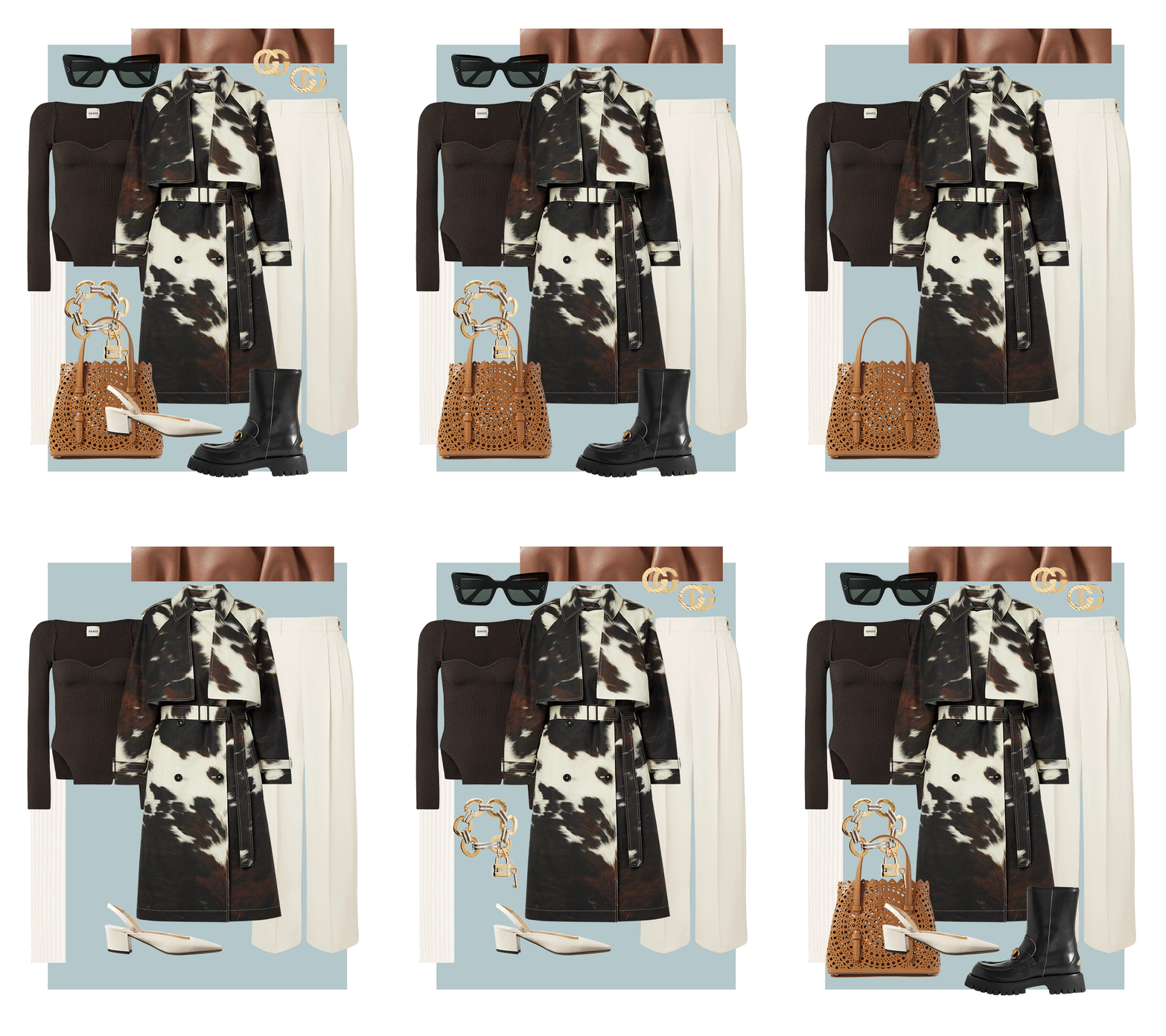
Stella McCartney Meets AI: How Algorithms Are Predicting Your Next Wardrobe Obsession
The fashion industry is undergoing a seismic shift, and artificial intelligence is at the epicenter. While Stella McCartney continues to pioneer sustainable luxury through visionary design, a parallel revolution is happening behind the scenes: algorithms that predict what you'll want to buy before you even know it yourself. The intersection of human creativity and machine learning is reshaping how we discover, curate, and invest in fashion – and Stella McCartney's approach to timeless, conscious design is becoming the blueprint for AI-driven fashion recommendation systems.
By YEET Magazine Staff | Updated: May 13, 2026
When fashion features editor Megan Logue spotted Stella McCartney's cow-print trench coat online, she made an instinctive purchasing decision. But what if an AI algorithm had predicted this choice days earlier, surfacing it at precisely the right moment in her browsing journey? This is the future of fashion curation – a world where artificial intelligence understands your aesthetic preferences, sustainability values, and lifestyle needs better than you do.
The Rise of Predictive Fashion Technology
Fashion retailers have long struggled with a fundamental problem: how to match the right products with the right customers at the right time. Traditional methods rely on broad demographic categories, seasonal trends, and bestseller lists. But artificial intelligence is changing this paradigm entirely. Machine learning algorithms now analyze thousands of data points – from your social media activity to your past purchases, browsing history, saved items, body measurements, color preferences, and even the influencers you follow – to create hyper-personalized shopping experiences.
Companies like Stitch Fix and ThirdLove pioneered this approach years ago, but the technology has evolved exponentially. Today's AI fashion systems don't just recommend similar items; they predict future desires with remarkable accuracy. They understand that someone who purchases Stella McCartney's sustainable trench coat likely values environmental consciousness, timeless design, and quality construction. The algorithm then surfaces other pieces that align with these values and aesthetic preferences.
For luxury brands like Stella McCartney, this technology represents both opportunity and challenge. The brand has built its reputation on conscious design and timeless pieces that "promise maximum ROI" – exactly the kind of thoughtful purchasing that AI systems excel at identifying and encouraging. Yet the real magic happens when artificial intelligence respects the subjective, deeply personal nature of individual style.
Understanding AI's Role in Sustainable Fashion Discovery
Stella McCartney's philosophy – that "future-proof fashion is a subjective concept" dependent on "personal taste and the designs you can imagine yourself coming back to again and again" – might seem at odds with algorithmic recommendations. But smart AI systems are actually designed to honor this subjectivity. By learning what makes a piece "future-proof" for you specifically, machine learning can identify items that blend timeless and contemporary elements, the way McCartney's cow-print trench does.
The algorithm doesn't just say "you liked this, so you'll like that." Instead, it identifies patterns in your choices: Do you favor natural fibers? Are you drawn to statement prints paired with classic silhouettes? Do you consistently invest in pieces that transcend seasonal trends? Do you prioritize sustainable production methods? Once the AI understands these deeper preferences, it can surface products that match your values and aesthetic with surprising precision.
Megan Logue's reasoning for purchasing the Stella McCartney trench exemplifies this perfectly: "In recent seasons, I've been making a concerted effort to shop more sustainably. And, while my style typically skews quite classic, I do love to add newness and personality to my look in the form of interesting textures and eye-catching prints." An AI system trained on her purchasing history would recognize these patterns and proactively recommend similar pieces – like Alaïa's butter-soft leather tote with intricate laser-cut detailing, or Gucci's gold monogrammed earrings that work equally well on Zoom calls and in real life.
How Machine Learning Analyzes Fashion Choices
Behind every successful AI fashion recommendation lies sophisticated data analysis. These systems examine:
Visual Recognition: AI can analyze images to identify colors, patterns, textures, and silhouettes you're drawn to. It notices that you consistently click on pieces with cow-print or other bold patterns, that you favor trench coats and structured outerwear, and that you're attracted to neutral palettes punctuated by statement accessories.
Behavioral Data: Machine learning tracks your browsing patterns, noting which items you save, how long you linger on product pages, and which pieces you ultimately purchase. It understands that you might research items for weeks before committing to a significant investment like McCartney's €2,395 trench coat.
Temporal Analysis: AI recognizes seasonal patterns in your purchases and can predict when you'll be shopping for specific item categories. It knows that outdoor pieces become relevant in spring, and it can surface options like Celine's oversized cat-eye sunglasses or Gucci's 'Harald' boots with horsebit hardware at exactly the right moment.
Contextual Understanding: Modern AI systems comprehend lifestyle factors that influence purchases. They understand that during lockdowns, investment pieces shifted from office wear to versatile, multi-purpose items. They recognize that pieces should work "from sweat sets to blue jeans and knitted dresses," as Megan describes styling her new trench.
Values Alignment: Increasingly sophisticated algorithms can identify your ethical and sustainability preferences. If you consistently purchase from conscious designers like Stella McCartney, the AI learns that you prioritize "conscious design" and will recommend other sustainable luxury brands and pieces.
The Personalization Paradox: When AI Knows You Too Well
There's a fascinating tension in AI-powered fashion curation. On one hand, predictive algorithms can eliminate decision fatigue and help you discover pieces that truly align with your style and values. On the other hand, they risk creating echo chambers where you only see items similar to what you've already purchased, stifling exploration and growth.
The most sophisticated AI fashion systems address this by balancing personalization with serendipity. They might recommend 85% items that match your established preferences and 15% items that represent slightly different directions – introducing you to Stella McCartney if you've been shopping at more conventional luxury brands, or suggesting a bold print if you've historically played it safe with classics.
This approach aligns with how Megan describes her purchasing philosophy: seeking "tried-and-tested pieces that have been reimagined in cutting-edge ways." The algorithm learns that you want innovation within a framework of timelessness, and it balances recommendations accordingly.
Stella McCartney's Conscious Design Meets Conscious AI
What makes Stella McCartney particularly interesting in the context of AI fashion curation is how the brand's core values align with algorithmic logic. McCartney has always believed in quality over quantity, in pieces designed to last multiple seasons, in sustainable materials and ethical production. These principles are exactly what machine learning systems can identify and amplify.
When you purchase a Stella McCartney piece, you're making a statement about your values. An AI trained to recognize this can connect you with complementary purchases – like Alaïa's sustainable leather tote or Chloé's timeless chain bracelet – that build a cohesive, values-aligned wardrobe rather than encouraging impulsive, trend-chasing behavior.
The cow-print trench coat is a perfect case study. It's neither safe nor predictable, yet it's also crafted from "lightweight linen-cotton blend and finished with trademark trench design details" – making it a piece you can "reach for year after year." An AI system analyzing this purchase understands that you're willing to take measured creative risks within a framework of timeless design.
The Accessories Revolution in AI Curation
One area where AI fashion recommendations excel is accessories – and this is where Stella McCartney's influence extends beyond her namesake brand. The article notes that "any outfit can be improved with the addition of some dazzling jewelry," and AI systems have learned this principle well.
Machine learning algorithms recognize that accessories offer low-risk opportunities for style evolution. A pair of Celine sunglasses or Gucci's monogrammed earrings can transform an outfit without requiring a significant wardrobe investment. AI systems become increasingly confident in recommending accessories because they understand that: - Accessories have less risk of fit or proportion issues - They allow for personality expression without major commitment - They're frequently purchased items that provide rich data for preference learning - They work across multiple outfits, maximizing their ROI Gucci's 'Harald' boots and Alaïa's laser-cut tote represent another algorithmic insight: that investment pieces in the accessories category can become "hero pieces" – items that anchor multiple outfits and justify premium pricing through versatility and longevity.
Real-Time Trend Analysis and Predictive Inventory
AI isn't just improving the shopping experience for consumers; it's revolutionizing how fashion retailers think about inventory and trends. Machine learning systems analyze social media mentions, runway shows, influencer endorsements, and search trends to predict which pieces will trend before demand actually spikes.
When Stella McCartney's cow-print trench landed online, AI systems across the retail ecosystem likely flagged it as a potentially high-demand item. Algorithms analyzed design elements (bold print + timeless silhouette + sustainable materials + luxury positioning), cross-referenced similar past successes, and predicted customer interest. This allows retailers to stock appropriately and surface the piece to customers most likely to appreciate and purchase it.
The Sustainability Factor in Algorithmic Recommendations
Here's where AI gets genuinely interesting in the context of sustainable fashion. Machine learning can track not just what you buy, but what you keep and wear repeatedly. Algorithms increasingly analyze social media posts, Zoom call appearances, and fashion content to understand which pieces actually get worn versus which languish in closets.
This data creates powerful incentives for sustainable consumption. If an AI system knows that you wear your Stella McCartney pieces repeatedly across seasons – styling the trench with "sweat sets to blue jeans and knitted dresses" – it learns that you're a "conscious consumer" who deserves recommendations for other pieces with similar longevity potential.
Conversely, if you purchase trendy pieces that you wear once and abandon, the algorithm will learn this pattern too. The most sophisticated systems will actually nudge you toward more sustainable choices, recognizing that investment pieces deliver better value (both financial and environmental) over time.
Privacy Concerns and Ethical AI in Fashion
Of course, the more accurately AI can predict your preferences, the more personal data it must collect and analyze. This raises legitimate privacy concerns. To make genuinely useful fashion recommendations, algorithms need to track your browsing history, purchase history, body measurements, social media activity, location data, and more.
Fashion brands and retailers are increasingly adopting privacy-conscious approaches to AI, using techniques like federated learning (where algorithms learn from your data without it leaving your device) and differential privacy (which adds mathematical noise to datasets to protect individual privacy). Stella McCartney, given the brand's values alignment, might be particularly positioned to lead in this space – offering personalized AI recommendations that respect customer privacy and data security.
FAQ: AI-Powered Fashion Curation and Stella McCartney
Q: How does AI know what fashion items I'll want to buy? A: Machine learning algorithms analyze your past purchases, browsing history, saved items, color preferences, body measurements, lifestyle factors, and even your social media activity to identify patterns in your aesthetic taste and values. The AI then uses these patterns to predict future preferences and surface products likely to match your style.
Q: Can AI recommendations help me shop more sustainably, like Stella McCartney advocates? A: Absolutely. AI systems can identify customers who prioritize sustainable production methods and values-aligned purchasing. By tracking which pieces you wear repeatedly across seasons, algorithms can recommend other investment items designed for longevity rather than fast fashion trends. Stella McCartney's conscious design philosophy aligns perfectly with this algorithmic logic.
Q: Isn't AI fashion curation just showing me more of the same? A: The most sophisticated systems balance personalization with serendipity. While recommendations are personalized to your preferences, quality algorithms also introduce 10-20% items that represent slightly different directions – helping you discover new brands and styles while maintaining overall aesthetic coherence.
Q: How do luxury brands like Stella McCartney use AI differently than fast fashion retailers? A: Luxury brands leverage AI to identify serious collectors and investors who appreciate timeless design and sustainable production. Algorithms help these brands surface pieces to customers most likely to understand and value their positioning, rather than pursuing mass-market volume.
Q: Can AI help me understand which pieces will actually become "future-proof" wardrobe staples? A: Yes, but with nuance. AI can identify design principles associated with longevity (natural materials, classic silhouettes, quality construction) and surface pieces that embody these characteristics. However, as Megan notes, "future-proof fashion is a subjective concept" – ultimately, your personal taste determines whether something becomes a hero piece you reach for "year after year."
Q: What privacy concerns should I have about AI fashion recommendations? A: AI requires significant personal data to function effectively. Privacy concerns include data collection practices, cross-platform tracking, and how retailers use your information. Look for brands implementing privacy-conscious approaches like federated learning and differential privacy, and review retailer privacy policies carefully.
Q: How can accessories like Gucci boots or Alaïa totes become "must-haves" through AI recommendations? A: AI recognizes that accessories offer personality-expression opportunities with lower risk than clothing. Algorithms identify customers most likely to invest in statement accessories, predict which specific pieces will appeal to them, and surface items at optimal times in their shopping journey.
The Future of AI-Driven Fashion Curation
As artificial intelligence becomes increasingly sophisticated, fashion curation will become increasingly personalized and predictive. The future likely includes:
Virtual Try-On Technology: AI combined with AR/VR will let you visualize how pieces fit and look on your body before purchasing, reducing returns and increasing purchase confidence.
Hyper-Personalized Sizing: Machine learning will develop individualized size predictions based on your body type, preferred fit, and brand-specific sizing patterns, eliminating sizing confusion.
Predictive Pricing: Algorithms will notify you when prices drop on items you've saved, or predict when specific pieces will go on sale based on historical patterns.
Lifestyle Integration: AI will integrate with calendar data, weather forecasts, and social media to predict when you'll need specific pieces and what you'll want to wear to particular events.
Sustainability Tracking: Advanced systems will track the environmental impact of items and recommend alternatives with lower carbon footprints or better ethical credentials.
Collaborative Intelligence: AI will connect you with like-minded fashion enthusiasts who share your aesthetic and values, creating communities around conscious consumption.
How Stella McCartney Exemplifies AI-Aligned Fashion Philosophy
Stella McCartney's approach to fashion – emphasizing conscious design, sustainable materials, timeless silhouettes, and pieces meant to be worn repeatedly across seasons – is perfectly aligned with how AI systems learn to recommend responsibly. The brand's cow-print trench coat exemplifies this philosophy: it's a statement piece that transcends trends, crafted from sustainable materials, and designed to work with everything from casual to dressed-up outfits.
When machine learning systems train on Stella McCartney purchases, they learn to value quality over quantity, ethics over expedience, and longevity over trendiness.