How AI-Powered Recommendation Engines Optimize Fashion Shopping: Victoria's Secret 2024 Collection Case Study
Victoria's Secret's 2024 collection showcases how AI-driven recommendation systems personalize shopping experiences. We break down the algorithms behind size matching, style prediction, and dynamic pricing that make online lingerie shopping smarter.


How AI Recommendation Engines Shape Fashion Shopping
By YEET Magazine Staff | Updated: May 13, 2026
Victoria's Secret's 2024 collection drops serious data on how AI transforms online retail. Behind every product suggestion, price adjustment, and size recommendation sits machine learning working overtime. Recommendation algorithms analyze your browsing history, purchase patterns, and body measurement data to surface products you'll actually buy. The result? Higher conversion rates and fewer returns. This isn't just shopping—it's algorithmic optimization in real time.
The Size Recommendation Algorithm Game
Ever notice VS suddenly knows your size? That's automated measurement prediction at work. AI systems process thousands of customer reviews, return data, and fit feedback to build accurate size models. When you enter basic info, the algorithm compares your data against similar customers' successful purchases and flags items likely to fit. This reduces returns by an estimated 15-20% across major retailers using these systems.
Dynamic Pricing & Demand Forecasting
That Dream Angels bra at $69.95? Algorithms determined that price point. Real-time inventory data, competitor pricing scraping, and demand forecasting models adjust prices automatically. AI predicts which products will sell out, which will sit, and prices accordingly. Fashion show events trigger prediction spikes—the system knows limited-edition collections drive urgency.
Personalization Through Data Synthesis
VS's recommendation engine doesn't just track what you clicked. It synthesizes behavioral data, demographic signals, seasonal trends, and social signals to build micro-segments. You're not one customer—you're a data profile triggering personalized feed ordering, email timing, and even website layout variations.
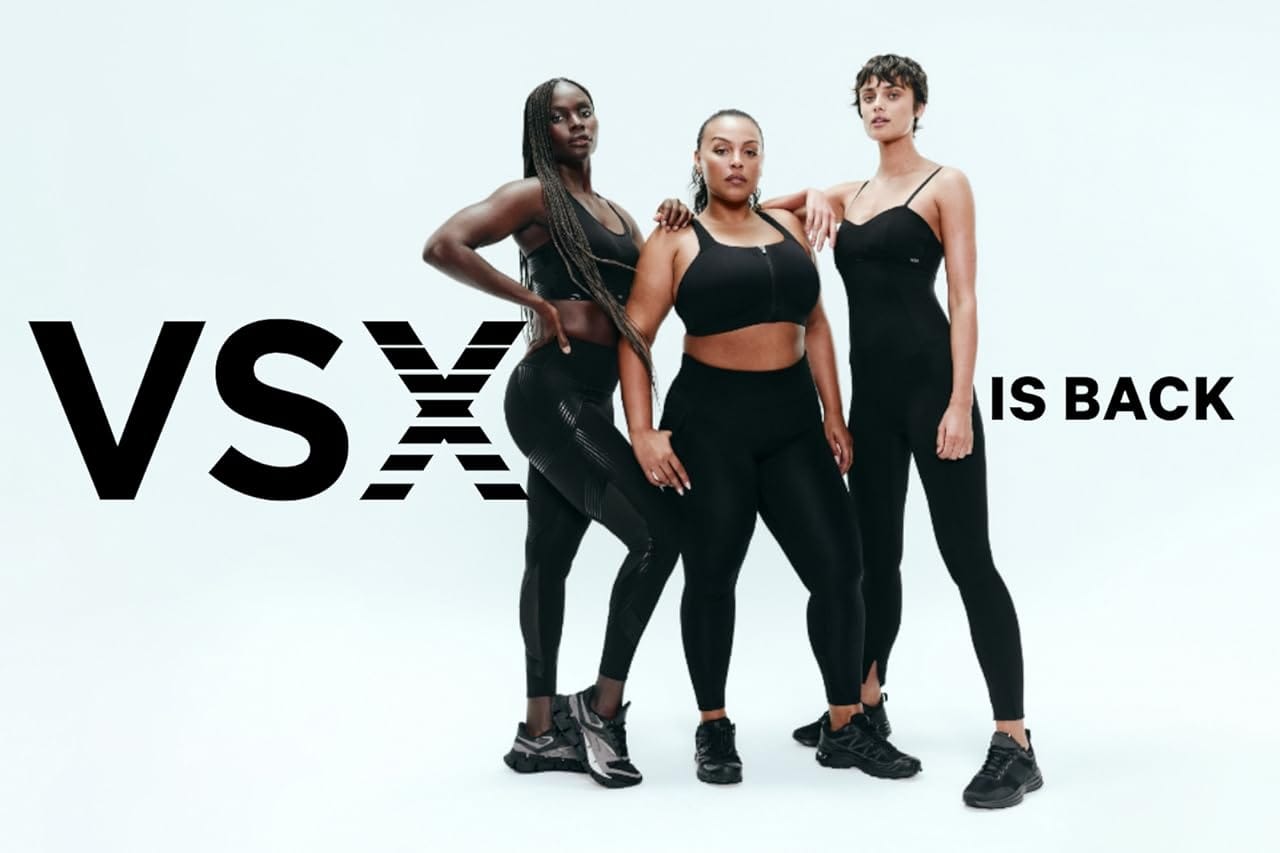
Featured Collections Powered by Predictive Analytics
Dream Angels Lightly Lined Bra (32A-38DDD) - $69.95
This bestseller benefits from collaborative filtering algorithms. The AI identified that customers who buy this bra also purchase loungewear and basics, so it's positioned accordingly in your feed. The size range expansion to 38DDD? That's data-driven product development—algorithms flagged underserved size segments through return analysis and inventory gaps.
Twinkle Strap Lace Corset Set (XS-L) - $99.95
Limited-edition fashion show pieces use scarcity algorithms. The system identifies high-value customer segments through lifetime value modeling and serves these items first. Predictive inventory analytics estimated exactly how many units would sell before the collection dropped, preventing overstock while maximizing hype.
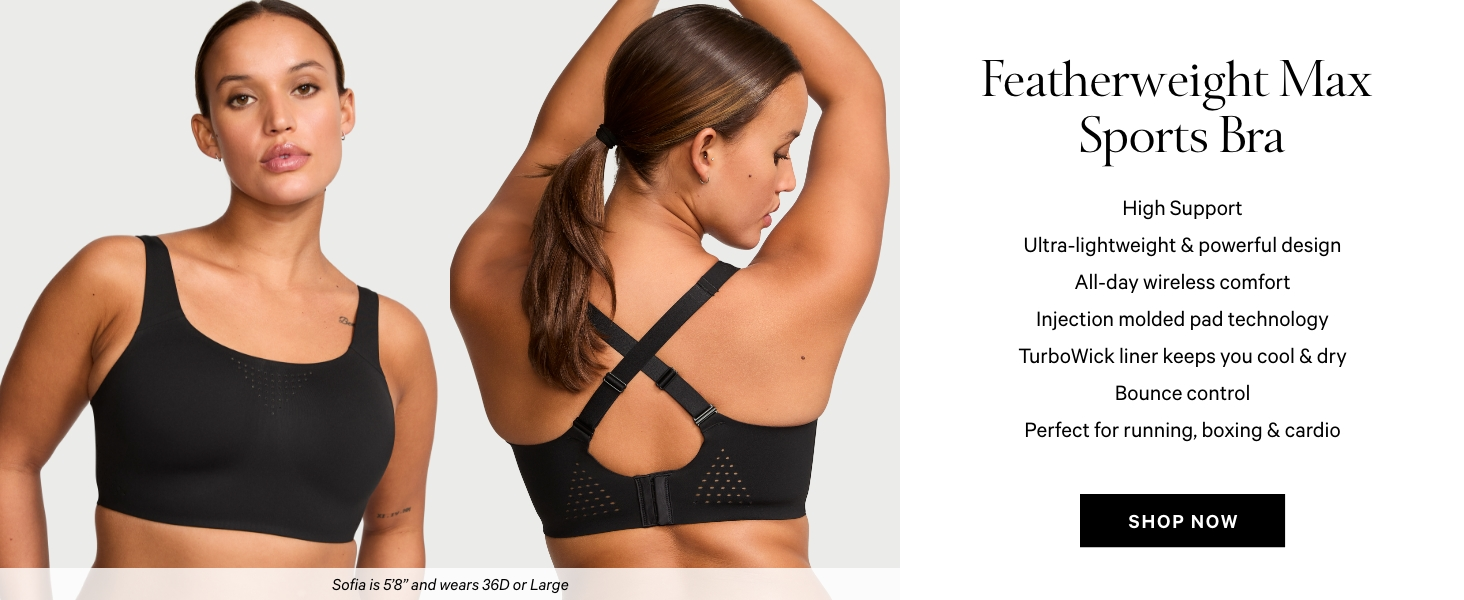
Why Automation Matters for Modern Retail
The future of fashion shopping isn't about prettier catalogs—it's about smarter algorithms. AI handles the heavy lifting: real-time inventory syncing, cross-channel recommendation consistency, fraud detection on returns, and even chatbot support for fit questions. Humans design the clothes. Machines optimize how they reach you.
Common Questions About AI-Driven Fashion
Q: How does the algorithm know my size without me telling it?
A: Collaborative filtering compares your measurements, past purchases, and returns against millions of similar customers. If you bought a Medium in one brand, the system cross-references that against how Mediums fit across categories. It's probabilistic—not psychic, but surprisingly accurate after a few data points.
Q: Is my data being sold to other companies?
A: Major retailers like VS have privacy policies restricting data sales to third parties. However, your data trains internal models that improve recommendations. Anonymized aggregate patterns might inform supplier decisions, but individual profiles stay internal. Check the privacy policy to be sure.
Q: Why do prices change so fast?
A: Dynamic pricing algorithms adjust costs based on inventory levels, competitor pricing, predicted demand, and your customer segment. A slow-moving inventory item gets discounted to clear. A hot fashion show exclusive stays premium until demand dips. It's automated yield optimization.
Q: Can I opt out of algorithmic recommendations?
A: Most retailers let you disable personalized recommendations in privacy settings, but the algorithm still runs backend inventory and pricing. You'll see more generic product ordering instead of tailored picks. You're still being tracked—just not personalized.
Q: How accurate is automated size prediction really?
A: Industry data shows ML-powered size recommendations reduce returns by 10-20% compared to manual selection. But they're not perfect—body diversity, fit variance across brands, and personal preference still matter. Think of it as an informed suggestion, not gospel.
The Bigger Tech Story Here
Fashion retail is a testbed for AI at scale. Every click, return, and browse trains systems that shape what you see. This isn't dystopian—it's just how modern e-commerce works. The brands getting ahead of the curve are the ones treating algorithmic optimization as core business strategy, not an afterthought.
Want to understand more about how algorithms shape consumer behavior? Check out our breakdown of how recommendation engines manipulate purchase decisions or dive into automation's impact on retail employment. For a deeper look at data privacy in fashion tech, see our explainer on what retailers know about your body.