Spectacular Villa Med + AI: French Riviera Hideaway Gets Smart Tech Upgrade
Villa Med combines 1250 square meters of Riviera opulence with cutting-edge AI integration. This French Riviera masterpiece features 6 bedrooms, smart climate control, and panoramic Mediterranean vistas—where human luxury meets artificial intelligence.

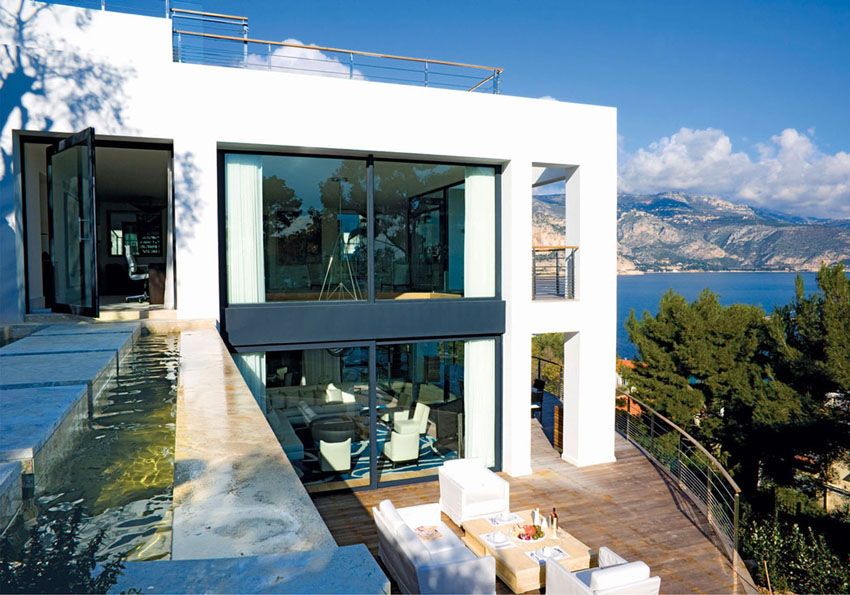
Villa Med: Where AI Meets Architectural Grandeur on the French Riviera
The French Riviera has long been synonymous with jet-set glamour, but today's ultra-luxury properties are getting smarter. Enter Villa Med, a spectacular 1250-square-meter hillside estate overlooking Paloma Beach and La Baie des Fourmis—now enhanced with AI-powered amenities that redefine Mediterranean living.
By YEET Magazine Staff | Published: 2021-04-30
This isn't your grandmother's vacation rental. While the villa maintains its iconic Riviera elegance with panoramic sea views and sun-drenched terraces, AI integration transforms daily operations, security, and guest experience. From predictive climate control to AI-assisted concierge services, Villa Med represents the future of luxury hospitality.
The Architecture Meets Artificial Intelligence
Spanning six bedrooms, six bathrooms, a home cinema, fitness center, library, and dedicated home office, Villa Med's expansive spaces now leverage AI room optimization. Smart sensors adjust lighting, temperature, and ambiance based on occupancy and preference patterns, while machine learning algorithms anticipate guest needs before they're voiced.
The open-concept kitchen—designed for professional chefs—now features AI-integrated meal planning systems that source local ingredients and suggest Michelin-inspired menus. The heated rooftop pool employs smart filtration using predictive maintenance AI, ensuring pristine waters year-round.
Security & Privacy: AI as Your Digital Sentinel
Located in one of the Riviera's most exclusive enclaves, Villa Med combines physical privacy with digital intelligence. AI-powered surveillance systems identify authorized visitors while maintaining the discretion essential for high-net-worth clientele. Facial recognition (GDPR-compliant) and behavioral analytics monitor perimeter security 24/7, alerting staff to irregularities in real-time.
Smart access controls mean guests never fumble with keys—biometric entry systems and smartphone integration provide seamless, secure access to every chamber and amenity.
Proximity & Connectivity: AI Route Optimization
While Villa Med sits peacefully above the hustle, AI navigation systems optimize travel to nearby attractions: Saint-Jean Cap Ferrat (5-minute walk), Monaco (30-minute drive), and Nice (1 hour). Machine learning travel assistants suggest optimal departure times based on real-time traffic data, yacht schedules, and local events—perfect for guests syncing with superyacht circuit activations.
The Master Suite & Smart Wellness
The master bedroom's marble sanctuary pairs marble luxury with biometric wellness technology. AI health monitors track sleep quality, oxygen levels, and stress indicators, automatically adjusting bedroom temperature, humidity, and chromatic lighting for restorative rest. The adjoining spa-grade bathroom streams personalized wellness routines via smart mirrors displaying real-time vitals and hydration reminders.
Entertainment: AI-Curated Experiences
The home cinema features AI-driven recommendation engines that learn guest preferences, curating documentaries, films, and live superyacht race broadcasts. The library's AI cataloging system instantly locates rare editions and suggests reads based on mood and historical interest.
FAQ: AI & Villa Med
Q: Is Villa Med's AI intrusive to privacy?
A: All AI systems operate within GDPR and privacy-first architecture. Guests control data sharing levels and can disable features instantly. AI learns from consent, never from coercion.
Q: How does AI enhance the chef experience?
A: Predictive inventory systems notify chefs of optimal ingredient freshness windows, suggest seasonal menus, and manage dietary restrictions across guest groups. AI doesn't replace culinary genius—it amplifies it.
Q: What about traditional luxury?
A: Villa Med's AI operates invisibly. You experience stunning panoramas, marble bathrooms, and Mediterranean tranquility—the intelligence works behind the scenes, never compromising the authentic luxury experience.
Q: Does AI monitor guest behavior?
A: Zero surveillance of private spaces. AI monitors only common areas, pool safety, and perimeter security. Bedrooms and bathrooms are 100% private.
The Future of Luxury: Intelligence Without Intrusion
Villa Med represents a paradigm shift in ultra-luxury hospitality. AI doesn't replace the human touch—it enhances the experience of those who curate it. Concierge staff access real-time guest insights, allowing personalized service that feels intuitive rather than algorithmic. The heated rooftop pool maintains perfection. Climate control anticipates comfort. Security operates silently.
As the superyacht circuit circles Mediterranean ports, Villa Med's guests enjoy unparalleled amenities amplified by invisible intelligence. This is luxury 2.0: where artificial and authentic blend seamlessly into transcendent relaxation.
Ready to experience AI-enhanced Mediterranean living? Villa Med awaits those who demand both timeless elegance and tomorrow's technology.
Learn more about smart villa rentals: Luxury AI Integration Trends | French Riviera Premium Properties | Smart Home Automation Guide