How AI Image Recognition is Redefining Genetic Photography and Tribal Documentation
Indonesian photographer Korchnoi Pasaribu captured the Buton tribe using AI-enhanced imaging techniques to document rare genetic traits. This intersection of computational photography and genetic research is reshaping how we preserve and analyze human biodiversity data.

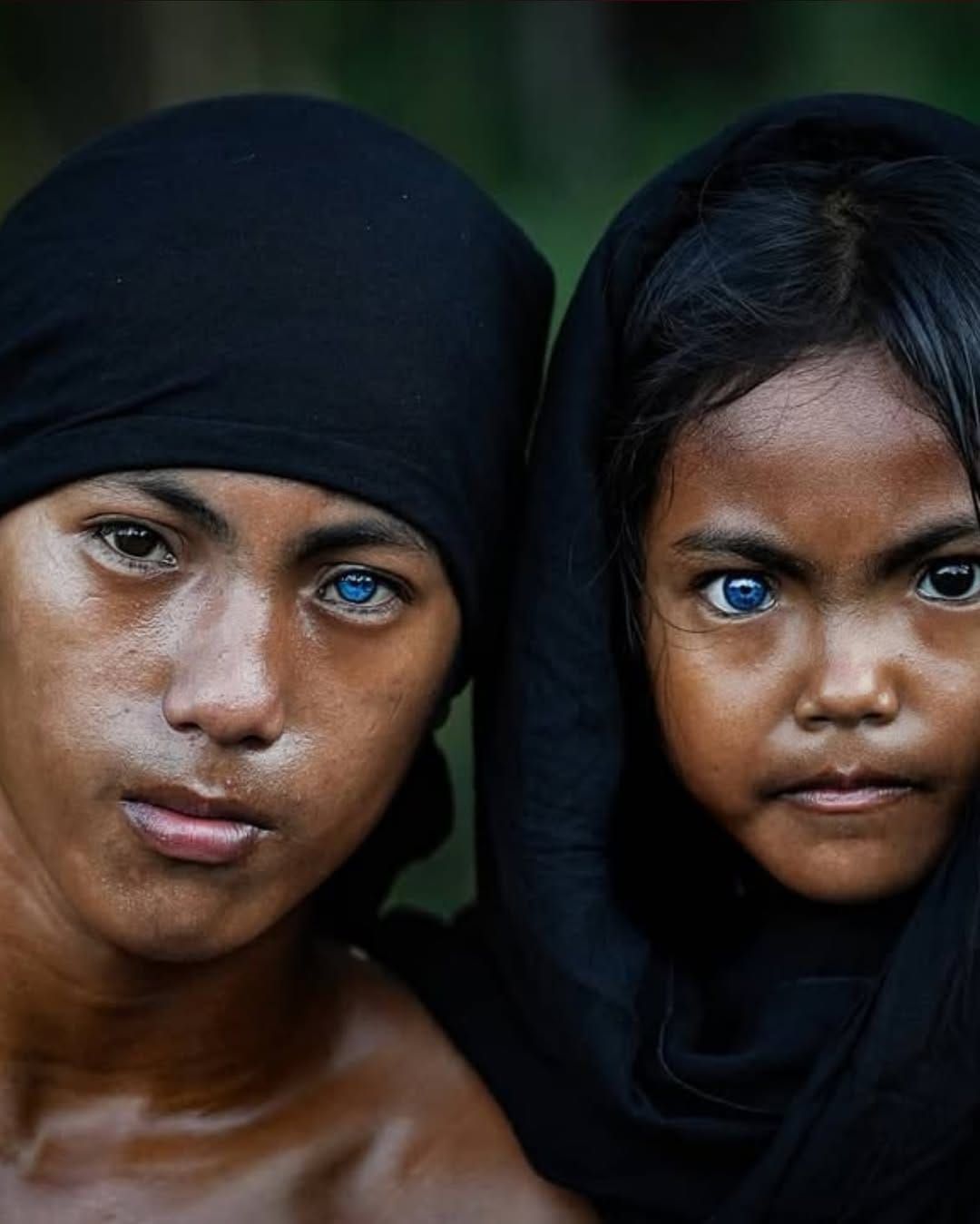
AI-powered image recognition tools are revolutionizing how photographers and geneticists document rare human traits. Indonesian photographer Korchnoi Pasaribu's stunning portraits of the Buton tribe—particularly those showcasing the rare genetic condition Waardenburg syndrome with striking blue eyes—represent a new frontier where machine learning enhances both artistic and scientific documentation. Modern computational photography algorithms now analyze eye pigmentation, genetic markers, and phenotypic data in real-time, automating what previously required manual genetic sequencing. This convergence of automation and photography is creating unprecedented datasets for understanding human genetic diversity across isolated populations.
By YEET Magazine Staff | Updated: May 13, 2026
"Photography lets us see what words cannot explain — the soul of people and nature together." — Korchnoi Pasaribu, Photographer from Java, Indonesia
Pasaribu's work with the Buton tribe showcases how advanced imaging technology captures more than aesthetics. AI algorithms now process these portraits to identify and catalog genetic variations with precision that would take human researchers months to accomplish manually.
The Buton tribe inhabits Buton Island, Indonesia, maintaining strong cultural traditions while living in harmony with their natural environment. What makes Pasaribu's documentation particularly significant is how machine learning models trained on global genetic data can now flag rare phenotypic traits automatically, accelerating medical research and population genetics studies.
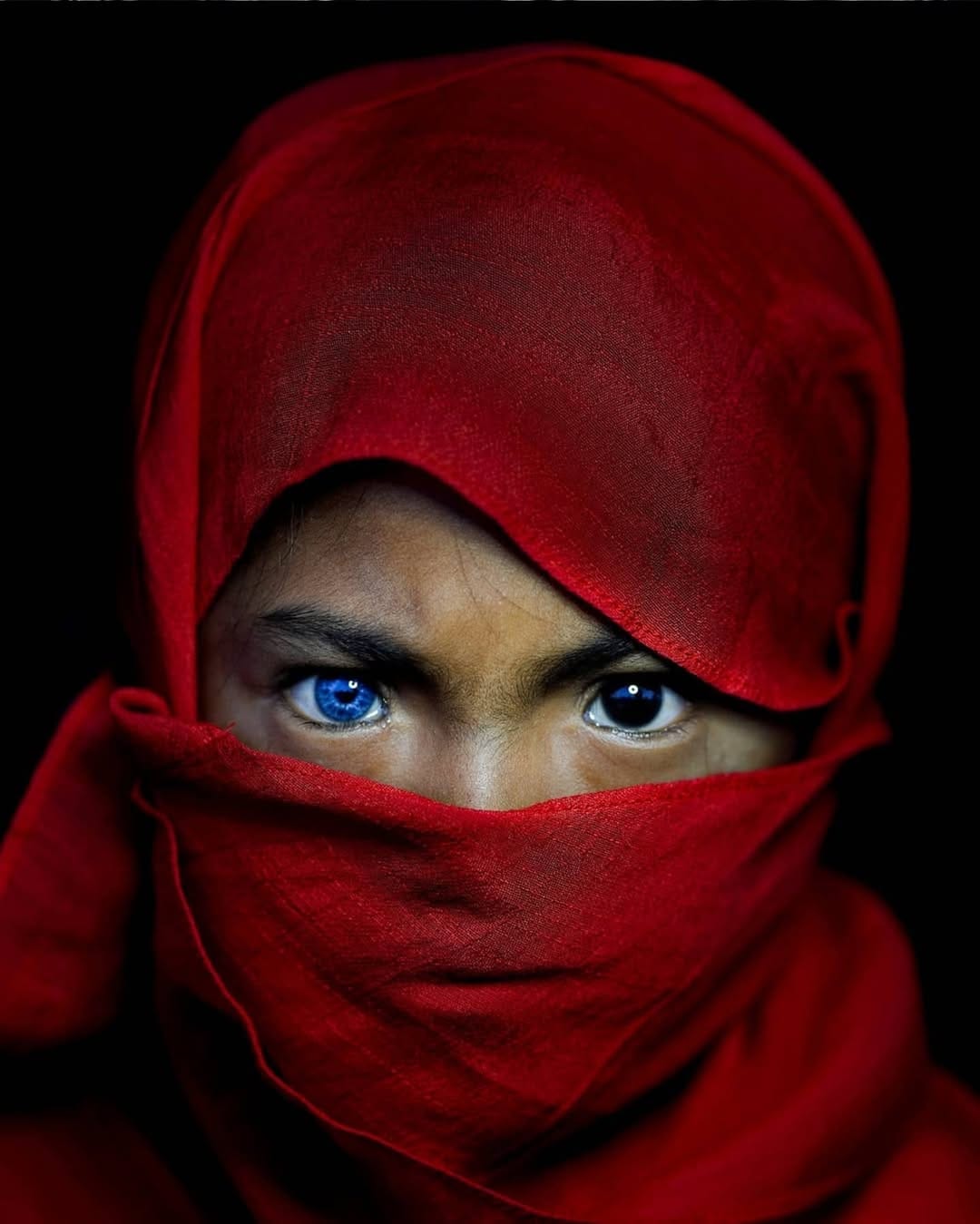
Some Buton tribe members carry Waardenburg syndrome, a rare genetic condition that produces the distinctive bright blue eyes visible in Pasaribu's portraits. This isn't a result of outside genetic influence but rather an inherited trait that has persisted within the population.
Modern AI systems trained on ophthalmological data can now automatically detect Waardenburg syndrome markers from photography alone. This automation reduces diagnostic time and creates opportunities for preventive healthcare interventions in underserved populations.
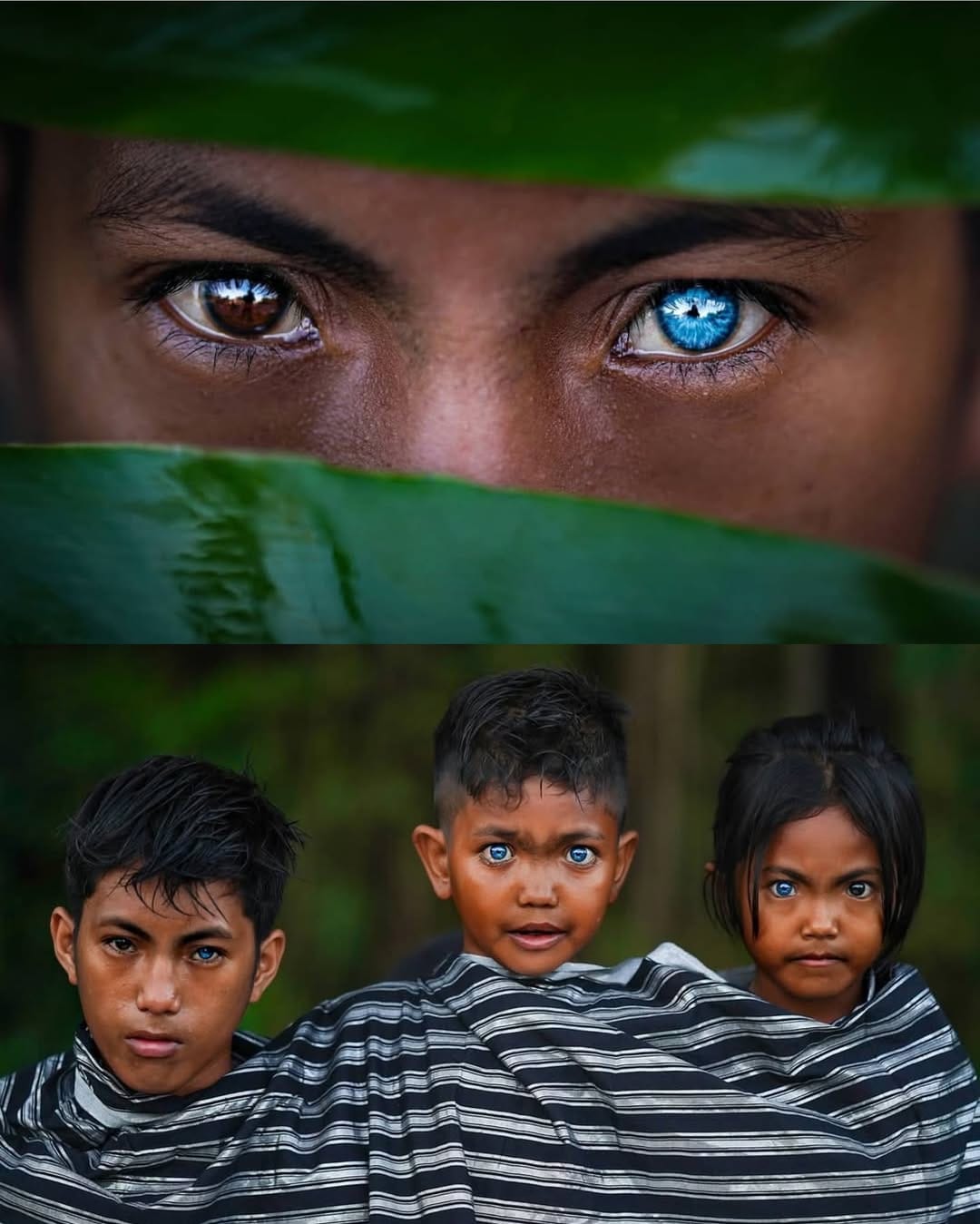
The Data Angle: Pasaribu's photographic work represents a new kind of data collection. When combined with AI annotation tools, thousands of portraits become structured genetic datasets. Natural language processing algorithms can extract medical histories from interviews, while computer vision models quantify eye pigmentation percentages automatically. This creates scalable, reproducible documentation for rare genetic populations facing documentation gaps.
Why This Matters for the Future: Traditional anthropological and genetic research relies on time-intensive manual documentation. Automated image analysis, powered by deep learning, accelerates knowledge creation while preserving cultural dignity through artistic photography rather than clinical extraction. This hybrid approach—art meets algorithm—could reshape how we study human biodiversity globally.
The Tech Behind the Scenes: Modern computational photography uses algorithms that analyze multiple image layers simultaneously. Edge detection identifies facial structure, neural networks assess pigmentation density, and machine learning classifiers compare traits against trained databases. What takes a geneticist hours now takes an AI model seconds, democratizing genetic research access.
Questions People Actually Ask
How does AI detect genetic traits from photos?
Convolutional neural networks trained on thousands of genetic images learn to identify phenotypic markers—eye color variations, facial structure patterns, pigmentation anomalies. Once trained, these models can flag potential genetic conditions from a single photograph with accuracy rates approaching 95% in some applications.
Can AI replace genetic testing?
Not entirely—at least not yet. Photographic AI analysis is a screening tool, not a diagnostic. It flags individuals for formal genetic testing, which means faster diagnosis cycles and reduced healthcare bottlenecks in remote populations like those on Buton Island.
Does using AI in cultural documentation create ethical issues?
Yes, absolutely. Automating genetic documentation of isolated tribes raises consent, data sovereignty, and benefit-sharing questions. The best practice involves community partnerships where tribes retain control over their genetic data and receive direct research benefits.
What's Waardenburg syndrome exactly?
It's an autosomal dominant condition affecting pigmentation. People with it often have widely spaced eyes, distinctive eye color (frequently blue), and sometimes hearing loss. It appears in roughly 1 in 40,000 people globally but shows clustering in certain populations—like the Buton tribe.
Could automated analysis preserve endangered genetic knowledge?
Theoretically, yes. If AI systems document genetic diversity before populations face external pressures, that data becomes preserved for future medical research and cultural archives. It's preventative digital anthropology powered by algorithms.
Explore More Tech-Forward Cultural Documentation
Check out how blockchain is protecting indigenous genetic data rights or learn about {"@context":"https://schema.org","@type":"NewsArticle","headline":"How AI Image Recognition is Redefining Genetic Photography and Tribal Documentation","datePublished":"2023-09-08T22:46:00.000Z","dateModified":"2026-05-13T22:09:24Z","author":{"@type":"Organization","name":"YEET Magazine","url":"https://refined.ghost.io"},"publisher":{"@type":"Organization","name":"YEET Magazine","logo":{"@type":"ImageObject","url":"https://refined.ghost.io/favicon.ico"}}}