How AI is Reshaping Luxury Fashion: The $1M Pharrell Bag & Algorithm-Driven Ethics
Pharrell's $1M Louis Vuitton Millionaire Speedy sparked controversy over exotic materials. Now AI and data transparency tools are forcing luxury brands to automate ethical accountability—or face algorithmic backlash.

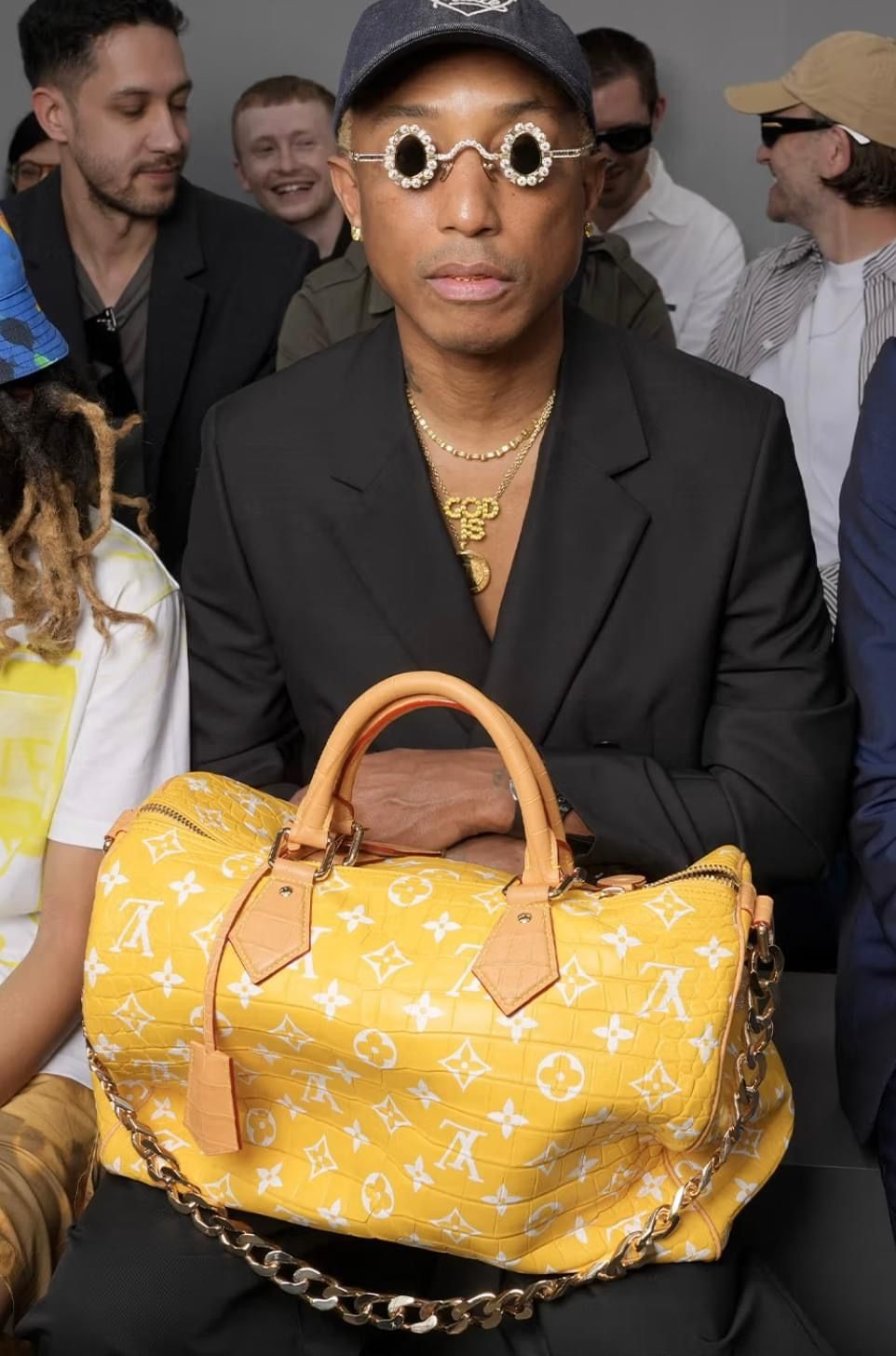
When Pharrell dropped the $1 million Louis Vuitton "Millionaire Speedy," it exposed a glaring gap: luxury brands still can't algorithmically track or justify their supply chains in real-time. PETA called out the crocodile leather instantly. But here's the thing—AI systems could've flagged those materials before launch. Instead, a celebrity bag sparked manual outrage on social media. Welcome to fashion's pre-automation era.
By YEET Magazine Staff | Updated: May 13, 2026
The Millionaire Speedy isn't just a bag. It's a data failure. In 2024, blockchain and AI tracking systems exist to monitor every material from source to sale. Louis Vuitton could've used them. They didn't. That choice matters, because it shows how even $1M products operate without algorithmic transparency.
PETA's criticism wasn't just moral—it was a signal. Automated reputation systems now crawl brand supply chains. One ethical misstep gets flagged, amplified, and weaponized by algorithms before a brand can respond. Pharrell's bag became case study #1 in how luxury brands are vulnerable to algorithmic accountability they can't control.
The real story? Luxury fashion is finally being audited by machines. Not humans. Not regulators. Algorithms. And brands aren't ready.
Pharrell's recent debut of the $1 million Louis Vuitton "Millionaire Speedy" bag ignited controversy, drawing PETA criticism for its use of crocodile leather and exotic materials. The ultra-exclusive, made-to-order bag is limited to select clientele. But the viral backlash exposed something bigger: fashion's failure to implement automated ethics monitoring that could've prevented the controversy entirely.
The bag features vibrant colors—yellow, red, green, blue, brown—packed into a product that cost more to make ethically transparent than most brands spend on R&D. Yet there's no AI-powered supply chain dashboard. No real-time material tracking. No algorithmic verification that every component meets ethical standards before hitting the market.
Luxury brands have always operated in opacity. Scarcity plus secrecy equals perceived value. But AI changes that equation. Now, supply chain data is being automated, tracked, and shared across competing transparency platforms. A brand choosing not to participate in that automation isn't just old-school—it's a liability.
Here's what's actually happening: Younger consumers now use AI tools to verify product ethics independently. They don't wait for brand statements. Apps powered by machine learning scan factory reports, material sourcing, and labor conditions. When brands don't voluntarily feed this data, algorithms fill the gaps with worst-case assumptions.
Pharrell's bag became a cautionary tale because it required zero tech infrastructure to create controversy. Imagine if Louis Vuitton had embedded QR codes linking to blockchain-verified material origins? Or published API data accessible to third-party ethics checkers? The narrative flips. Instead of "luxury brand hides unethical practices," it's "brand uses AI to prove ethical sourcing."
The future of luxury isn't just exclusivity. It's automated proof of ethics. Brands that automate transparency win the algorithm wars. Those that don't become data-vulnerable symbols of old money.
What happens when AI audits fashion faster than humans can defend it?
Q: Could AI have prevented the Pharrell bag controversy?
A: Absolutely. Automated supply chain monitoring systems exist today. They flag materials, labor practices, and environmental impact in real-time. Louis Vuitton could've run the design through an AI ethics checker before the Paris debut. The fact they didn't reveals that luxury brands still see transparency as optional.
Q: How are algorithms reshaping fashion accountability?
A: Social media algorithms amplify ethics criticism exponentially. A PETA post about exotic materials doesn't just reach activists—it reaches investment firms, ESG tracking systems, and brand sentiment algorithms. One controversy now cascades through data systems in hours. Brands can't outrun machine-speed accountability.
Q: Are blockchain and AI already used in luxury supply chains?
A: Some brands use them voluntarily. But adoption is inconsistent. High-end fashion still operates on trust and opacity. Automation threatens that model. As AI transparency tools become standard, brands face pressure to either adopt them or face algorithmic scrutiny.
Q: What's the future—automated ethics or automated greenwashing?
A: Both. Brands will use AI to verify real practices AND to fake verification. That's why third-party algorithmic audits matter. Independent AI systems checking brand claims against data will eventually become the default. The luxury business can't hide from machines.
Related reads:
How AI Audits Corporate Ethics Before Humans Even Notice | Blockchain's Quiet Revolution in Fashion Supply Chains | Why Transparency Automation is the New Competitive Advantage

By PAOLA BAPELLE | YEET MAGAZINE | Updated November 10, 2023