How AI Personalizes Your Luxury Hotel Stay: Inside InterContinental's Smart Tech
Modern luxury hotels aren't just about thread count anymore—they're deploying AI algorithms to predict guest preferences before you even check in. InterContinental's Century City property showcases how machine learning transforms hospitality.

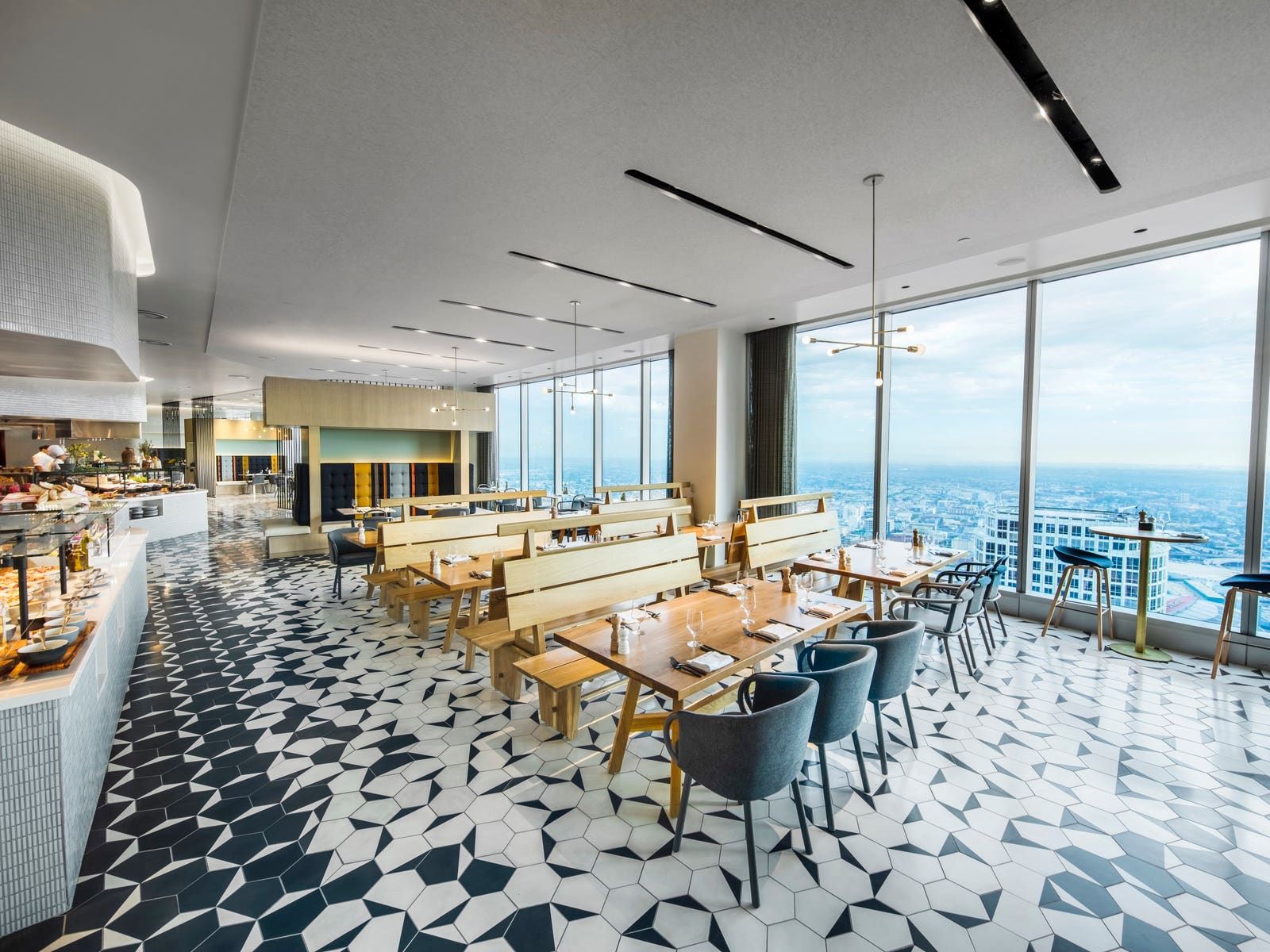
How AI and Machine Learning Are Transforming Your Hotel Experience
By YEET Magazine Staff | Updated: May 13, 2026
Luxury hotels are no longer competing on thread count alone. Today, InterContinental and competitors use AI algorithms to predict what you want before you ask. From room temperature preferences to personalized dining recommendations, machine learning analyzes guest data to deliver hyper-customized experiences. The InterContinental Los Angeles Century City leverages smart automation systems to streamline check-in, optimize housekeeping schedules, and even predict maintenance issues before they happen.
The 363 guest rooms and 178 suites aren't just beautifully designed—they're connected. Smart room systems learn your preferences across stays. Prefer blackout curtains and a cold room? The algorithm remembers. Want restaurant reservations during previous visit times? The system anticipates your patterns.

Smart Dining: Data-Driven Cuisine Recommendations
The hotel's gourmet dining venues use recommendation algorithms similar to Netflix or Spotify. Your dietary restrictions, cuisine preferences, and past orders feed into systems that suggest the perfect meal. The property's California-sourced ingredients are tracked through supply chain automation, ensuring freshness while reducing waste through predictive ordering.
Automation Behind the Scenes
You don't see the algorithms working, but they're everywhere. Housekeeping uses automated scheduling systems that optimize room turnover. Energy management systems use machine learning to predict occupancy and adjust HVAC automatically. The front desk uses chatbots and AI-powered systems to handle routine inquiries 24/7, freeing human staff for actual problem-solving.
Location Intelligence and Visitor Targeting
Located on the Avenue of Stars near Rodeo Drive and Twentieth Century Fox studios, the hotel uses geo-targeting algorithms to send personalized offers to nearby guests. Within minutes of check-in, you'll receive data-driven recommendations for nearby attractions based on your profile and past behavior.
The Future of Work in Hospitality
This shift means hospitality jobs are evolving. Hotels need data analysts, AI trainers, and tech specialists alongside traditional roles. The future of work in hospitality means understanding both human touch and machine precision.
Questions People Actually Ask
Does AI at hotels invade my privacy?
Hotels collect behavioral data to personalize your experience. You're trading some privacy for convenience—similar to how Amazon knows your preferences. Most luxury properties let you opt out of data collection.
Can I still get human service?
Yes. AI handles routine tasks; humans handle problems. When your flight gets delayed or you need an actual dinner recommendation from someone who cares, real people step in. Automation frees them to actually help.
How accurate are these recommendations?
Pretty accurate after one visit. Machine learning gets smarter with data. First stay might be generic; your third visit? The system knows exactly what you want.
Is this only for luxury hotels?
Luxury properties adopt AI first, but chains like Marriott and Hilton roll it out globally. Expect algorithm-powered stays at mid-range hotels within 3-5 years.
Related reads that connect the dots:
• How automation is reshaping travel and hospitality
• Why hotels collect so much data (and what they do with it)
• Jobs disappearing in hospitality—and the new ones replacing them