How AI is Revolutionizing Luxury Hotel Pool Design and Guest Experience
Luxury hotels are quietly deploying AI to transform pool experiences. From climate-optimizing algorithms to data-driven guest preferences, discover how automation is making world-class pools smarter, safer, and more personalized than ever before.


Lifestyle - Travel - AI & Hospitality Tech
By YEET Magazine Staff | Updated: May 13, 2026
By YEET MAGAZINE | Updated 0200 GMT (1000 HKT) July 20, 2021
Planning a luxury vacation? The world's most prestigious hotel pools aren't just beautiful—they're powered by AI. Smart systems now optimize water temperature, predict maintenance needs, and personalize guest experiences in real-time. Hotels like Marina Bay Sands use algorithmic forecasting to manage occupancy, adjust amenities based on guest data, and even predict peak swim times. Welcome to hospitality automation.
Marina Bay Sands, Singapore
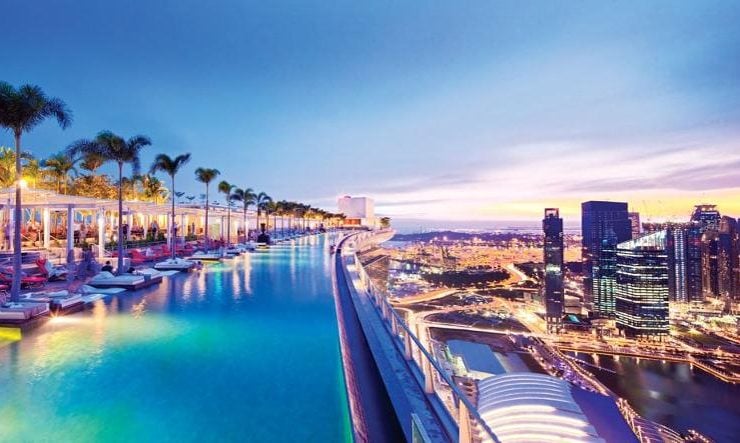
The world's largest rooftop swimming pool sits on the 57th floor. But here's what guests don't see: AI-powered climate control systems that adjust water temperature based on weather patterns, guest density algorithms that predict when crowds will arrive, and automated safety sensors that monitor water quality 24/7. The pool made famous in Crazy Rich Asians isn't just a luxury feature—it's a data collection and optimization machine.
Smart pools now use machine learning to predict maintenance before problems occur. Sensors feed real-time data into algorithms that catch equipment failures hours in advance. No downtime. No surprise closures. Just seamless automation.
Why Hotels Are Going All-In on Pool AI
Luxury hotels compete on experience now, not just amenities. AI lets them personalize every detail. Facial recognition can remember guest preferences (water temperature, preferred hours). Predictive analytics determine optimal staffing levels. Dynamic pricing algorithms adjust rates based on pool demand forecasts.
The trend extends beyond pools. Hotels use computer vision to monitor guest safety, chatbots to handle 24/7 inquiries, and recommendation engines to suggest dining times and activities based on behavioral data.
The Automation Layer You Don't Notice
Here's the thing: the best AI is invisible. You walk into a pool area and everything just works. Water's perfect. It's clean. Staff appears exactly when needed. That's not luck—that's algorithmic precision running in the background.
Sensors monitor chemical balance in real-time. Automated dispensers adjust chlorine levels. Predictive models anticipate equipment wear. Meanwhile, guest behavior algorithms learn when you prefer to swim, what temperature you like, and even how long you typically stay.
This data feeds back into hotel operations: staffing schedules adjust automatically, inventory systems reorder supplies before they run out, and revenue management systems optimize pricing based on demand forecasts.
What's Coming Next
Future luxury pools will use biometric data—heart rate, temperature—to personalize water conditions for individual guests. AR-enabled mirrors will recommend skincare products. Autonomous drones will monitor safety. Blockchain might track water sustainability metrics for eco-conscious travelers.
The hospitality industry is quietly becoming one of AI's biggest adopters. And your next vacation? It's already being optimized by algorithms.
Questions people actually ask:
How do AI systems keep pools safe?
Computer vision monitors swimmers in real-time. Algorithms detect unusual behavior (drowning risk, trespassing). Water quality sensors automatically adjust chemical levels. Predictive maintenance flags equipment problems before they become hazards.
Can AI really predict when a pool needs maintenance?
Yes. Sensor data feeds into machine learning models that identify patterns in equipment performance. These models predict failures 24-48 hours in advance, allowing hotels to schedule maintenance during off-peak hours. Zero guest disruption.
Do luxury hotels track guest behavior at pools?
They collect data—occupancy patterns, duration, preferences—to optimize operations. This data improves scheduling, staffing, and personalization. Privacy policies vary by location, so check before booking.
Will AI replace pool staff?
Not entirely, but it's changing the role. Humans still handle customer service and emergency response. AI handles routine monitoring, predictive maintenance, and data analysis. It's augmentation, not replacement.
How does algorithmic pricing work for pool access?
Some luxury hotels use dynamic pricing for pool facilities. Algorithms monitor demand, weather, competing hotels, and historical patterns to adjust prices in real-time. Higher temps and sunny days = higher rates.
Related articles worth reading:
How Machine Learning is Optimizing Restaurant Operations | The Rise of Predictive Maintenance: Saving Industries Billions | Computer Vision in Hospitality: Security, Efficiency, and Guest Experience | Future of Work: When Automation Meets Luxury Service