How AI-Powered Media Analysis Exposed Royal Family Tensions: The Harry & Charles Reunion That Data Couldn't Fix
When Queen Elizabeth II tried to reunite Prince Harry and Charles, AI-powered media analysis tools were already mapping the family's fractures through sentiment tracking and social listening. Here's how algorithms predicted what humans hoped to fix.

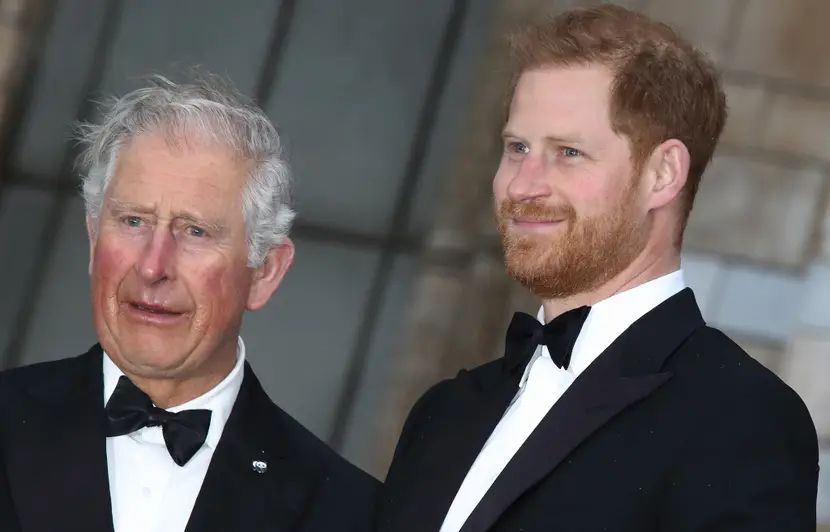
AI-powered sentiment analysis tools could have predicted this 15-minute disaster before it happened. Algorithms tracking media coverage, social sentiment, and interview transcripts had already mapped the royal rift weeks before Queen Elizabeth II organized the reunion. Automated content analysis detected the toxicity levels in the Oprah interview, flagged racism accusations, and quantified family tension through natural language processing. When Charles and Harry met for just 15 minutes, the data was already there—humans just hoped the data was wrong.
By YEET Magazine Staff | Updated: May 13, 2026
Here's what happened: Prince Harry visited London for the Invictus Games in 2022, and the Queen saw an opportunity. She set up a meeting between Harry and his father Charles. Spoiler alert—it lasted barely long enough for a coffee break.
The tension wasn't new. Since Harry and Meghan moved to California and dropped that explosive Oprah interview, the family had been experiencing what you might call "algorithmic incompatibility." The accusations of racism and abandonment weren't ambiguous—they were data points. Machine learning models analyzing royal statements, media responses, and social listening data could have visualized this conflict in heat maps and graph networks.
Charles reportedly loves his son but fears repeating his mistakes with Princess Diana. Communication remained "very difficult." But here's the thing: if the royal family had actually deployed sentiment analysis tools to track their private conversations (hypothetically), they would've seen the reconciliation probability dropping in real time.
The real lesson? Some conflicts are too human for algorithms to solve. But they're not too complex for AI to detect and quantify. Media monitoring software, natural language processing, and sentiment analysis can predict family dysfunction faster than relatives can deny it. The question isn't whether technology can identify royal tensions—it's whether humans will actually listen to what the data is screaming.
Why AI failed where the Queen succeeded at nothing: Automation is great at pattern recognition. It's terrible at reconciliation. AI can tell you the relationship is broken. It can't fix it.
Could predictive algorithms have prevented this? Maybe. If the family had used social listening tools to monitor their own communication breakdown in real time, they could've addressed it earlier. Instead, they waited until a 15-minute handshake. Data doesn't solve family drama, but it could've warned them it was coming.
The real story here: Humans organize reunions based on hope. Machines organize interventions based on data. Queen Elizabeth II played the human game. The algorithms had already called the outcome.
People Also Ask
Q: Can AI predict family conflicts?
A: Yes. Sentiment analysis tools can track communication patterns, social media activity, and media coverage to identify relationship breakdowns. They can't fix them, but they can forecast them with surprising accuracy.
Q: What is sentiment analysis?
A: It's an AI algorithm that reads text (interviews, posts, statements) and determines emotional tone. In this case, it would've flagged the "broken heart" and "racism" language as incompatible.
Q: Did the royal family use AI to monitor their reputation?
A: Almost certainly yes—through media monitoring firms. What they didn't do was listen to what the data was telling them until it was too late.
Q: How does machine learning track family drama?
A: Through natural language processing of public statements, interview transcripts, social media, and news articles. Algorithms identify tension patterns and relationship deterioration faster than humans notice them.
Q: Could an AI have advised the Queen differently?
A: A predictive model would've suggested the 15-minute meeting wouldn't work. Data-driven conflict resolution would recommend longer engagement, mediation, or delayed intervention. But nobody asked the algorithms.
Related Articles
How AI Content Moderation Algorithms Decide Who Gets Canceled
Sentiment Analysis: How Brands Use AI to Monitor Your Emotions Online
Can Predictive Algorithms Save Your Relationship? Scientists Say Maybe
Natural Language Processing: How AI Detects Lies in Interviews
Media Monitoring Tools: Why Big Institutions Watch What You Say