How AI is Reshaping Music Legacy: The Sinéad O'Connor Algorithm Problem
Sinéad O'Connor's passing raises a critical question: how will AI algorithms preserve her controversial legacy? As streaming platforms use machine learning to curate music, her canonical works risk algorithmic erasure.

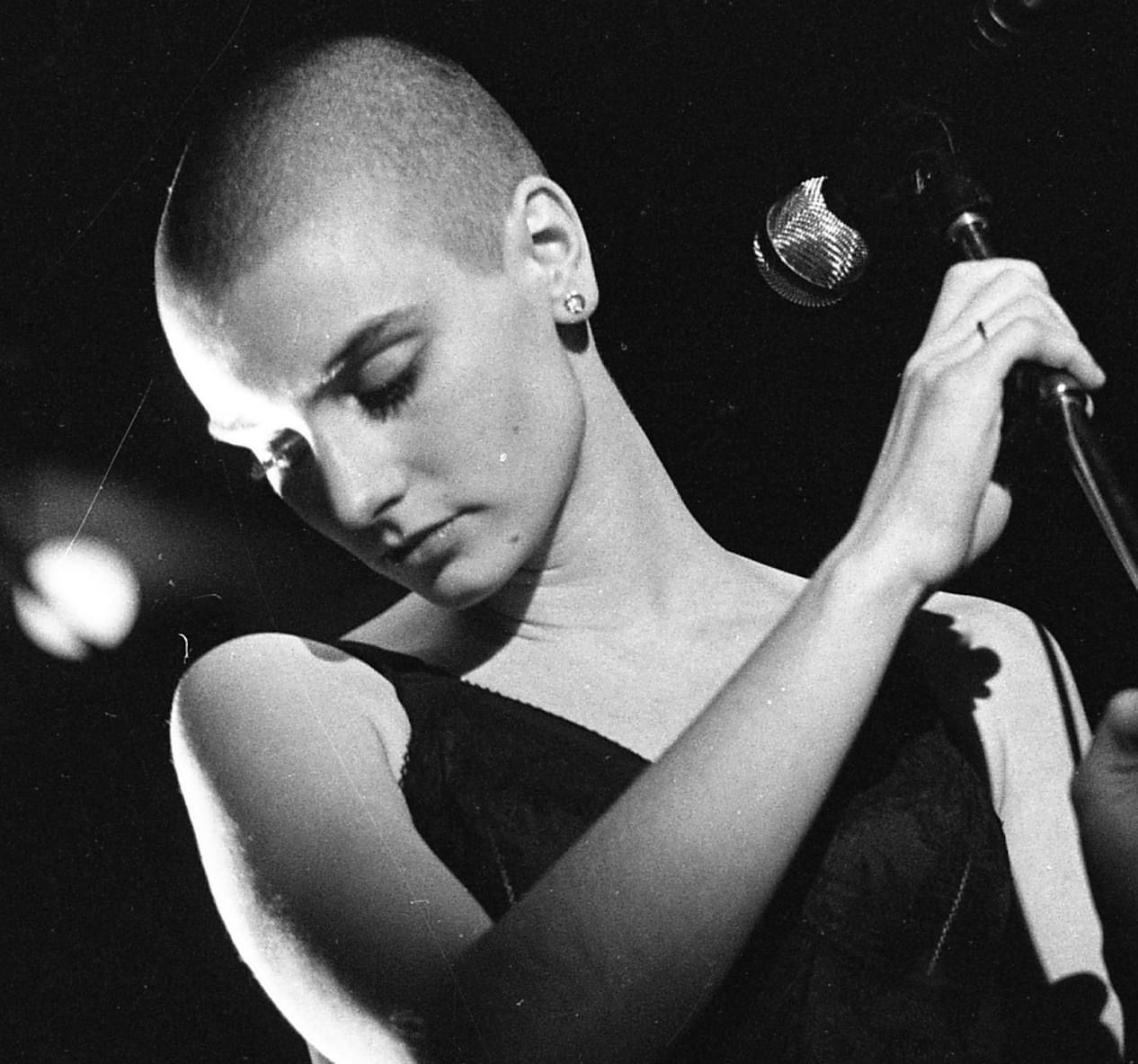
Sinéad O'Connor, the fearless Irish singer behind "Nothing Compares 2 U," has died at 56. But her passing highlights a deeper tech problem: How do music algorithms decide which artists matter? Streaming platforms use AI to curate what billions of people hear. Without intentional data strategy, artists—especially those with controversial legacies—get buried. O'Connor's genre-defying catalog, mental health advocacy, and bold statements don't fit neat algorithmic boxes. Her music risks algorithmic invisibility unless platforms actively fight their own automation bias.
By YEET Magazine Staff | Updated: May 13, 2026
O'Connor died in July 2023, a year after her son Shane took his own life. The Irish Times confirmed her passing. She was 56.
The music world lost a genuine iconoclast. O'Connor didn't just make albums—she challenged systems. She tore up the Pope's photo on SNL. She became an ordained priest. She was publicly vulnerable about mental health decades before tech made vulnerability a marketing strategy.
"Nothing Compares 2 U" hit number one on April 21, 1990. Prince, who wrote it, died on that same date 26 years later. The synchronicity is haunting. But here's what's scarier: that song is now just data in Spotify's algorithm.
She released 12 albums. Most people know one song. That's not accident—that's algorithmic curation at scale. Streaming platforms train neural networks on listening patterns. The machine learns: "People who like 'Nothing Compares 2 U' also like X." Her deeper work—the experimental tracks, the priest albums, the documentary "Nothing Compares"—gets deprioritized because they don't match listener expectation data.
O'Connor's 2021 memoir "Rememberings" and the Sundance-premiered documentary should have been career-redefining. Instead, they existed in a digital silo. Why? Because algorithms optimize for engagement metrics, not artistic depth. A 3-minute pop song generates more plays than a 45-minute documentary clip.
The real issue: AI doesn't understand nuance. It can't process that someone's mental health struggles, their spiritual journey, or their willingness to be canceled actually made them more important, not less. Machines see controversy as a negative engagement signal. They suppress it.
Here's the automation problem in music: platforms claim to be neutral arbiters of taste. They're not. Every recommendation algorithm is a choice. Every playlist prioritizes certain artists while quietly burying others. Spotify's algorithm doesn't hate Sinéad O'Connor, but it's designed to minimize "friction"—and she was nothing but friction.
What happens to her legacy? Right now, it's trapped in 1990. "Nothing Compares 2 U" gets streamed millions of times annually. Her other work gets fractional plays. The data doesn't lie—it just reflects what the algorithm was trained to do: maximize engagement with predictable content.
Why this matters: Every artist who doesn't fit algorithmic expectations faces this problem. Experimental musicians. Political artists. Anyone whose work requires context or patience. AI automation in music curation is creating a two-tier system: algorithmic superstars and algorithmic ghosts. O'Connor's legacy shouldn't depend on whether her streams hit some machine-learning threshold.
The streaming industry could fix this. They could weight algorithmic recommendations to prioritize artistic importance, not just engagement. They could flag artists with significant cultural impact for human curation. They could be transparent about how their machines decide what gets heard. Most don't.
What we should know: Sinéad Marie Bernadette O'Connor was born December 8, 1966. Her debut, "The Lion and the Cobra" (1987), charted internationally. "I Do Not Want What I Haven't Got" (1990) sold over 7 million copies worldwide. She performed until 2020. No cause of death was reported.
Her impact isn't diminished by the algorithm. But her future reach is. That's the tragedy we don't talk about: not just that artists die, but that the systems built to preserve their work are designed to forget them.
Q: How much of music discovery is actually algorithmic?
On Spotify, YouTube Music, and Apple Music, roughly 60-70% of what people listen to comes from algorithmic recommendations or auto-generated playlists. Humans still create featured playlists, but the discovery engine is machine-driven.
Q: Could an artist like O'Connor break through today with the same impact?
Unlikely. TikTok and algorithmic feeds reward consistency and predictability. O'Connor's refusal to fit a brand would tank engagement metrics. The system punishes artistic risk.
Q: Are streaming platforms biased against certain genres or types of artists?
Yes. Algorithms optimize for listening time and playlist inclusion. They favor artists with consistent output, mainstream appeal, and low controversy scores. Experimental, political, or niche artists get systematically deprioritized.
Q: What can be done to preserve legacy artists fairly?
Transparency in algorithmic decision-making. Human curation alongside AI. Separate "discovery" and "legacy" categories. Most importantly: admitting that algorithmic neutrality is a myth. Every system reflects choices.
For more on how technology shapes music: How streaming algorithms replaced A&R departments and The automation of music production: AI beats and beyond.
HTML_CONTENT