AI-Optimized Coffee Grinders: How Algorithms Perfect Your Brew
Smart coffee grinders are leveraging AI and automation to eliminate guesswork from your morning routine. These data-driven devices analyze bean density, moisture content, and brewing method to algorithmically determine the perfect grind—turning your kitchen into a precision laboratory.

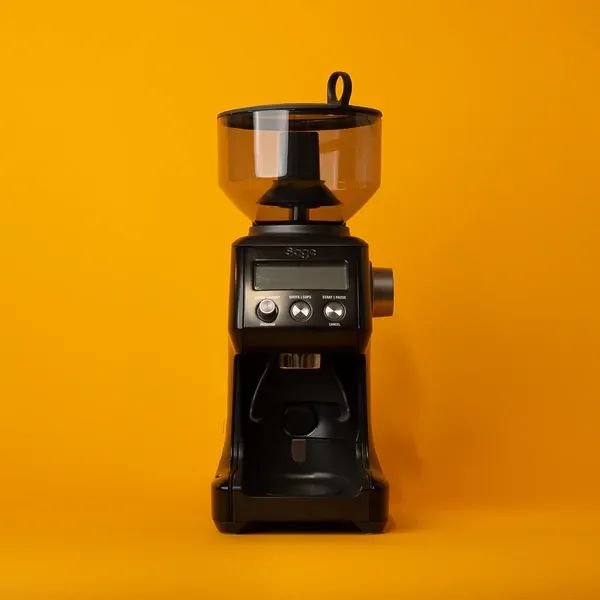
Smart coffee grinders equipped with AI algorithms are revolutionizing how we brew. These machines use machine learning to analyze bean properties, automatically adjust grind size, and optimize extraction in real-time. Whether you're training as a barista or just want killer coffee, AI-powered grinders eliminate the guesswork—they use data to nail your cup every single time.
By YEET Magazine Staff | Updated: May 13, 2026
The old way? Manual guessing. The new way? Algorithms that learn your preferences.
Pre-ground coffee loses flavor fast because oxidation accelerates immediately after grinding. But here's what's changed: smart grinders now use sensors to detect particle size in milliseconds and adjust burrs automatically. Some models even connect to apps that track your brewing data over time, learning which grind settings produce your optimal extraction percentage.

Baratza and Fellow have already integrated basic automation into their premium models. The next wave? Expect AI systems that recognize bean origin, analyze humidity levels, and suggest grind profiles based on your brewing method. Your grinder will become a connected device pulling data from coffee roasters' APIs.
This isn't just about taste (though it absolutely improves that). It's about automation reducing human error from your morning routine. Less thinking. Better results. Data doing the heavy lifting.
The economics are shifting too. As grinder manufacturers invest in machine learning algorithms, labor in specialty coffee shops evolves—baristas become data curators rather than manual grind-adjusters. Your home becomes part of the automation economy.
Why This Matters for the Future of Work
Coffee grinding is one of thousands of manual tasks that AI and automation are optimizing away. The skill isn't disappearing—it's transforming. Human expertise increasingly focuses on sourcing, tasting, and interpreting data rather than repetitive mechanical adjustment. This mirrors what's happening across every industry right now.
What buyers actually ask about smart grinders:
Do AI grinders really make better coffee? Yes, if the algorithm is solid. Consistency matters more than anything else, and machines don't have off days. A quality algorithm learns your variables faster than any human can.
What happens if I'm offline? Good smart grinders work in standalone mode too. The AI enhances the experience but isn't required for basic operation. They're designed with graceful degradation—works with or without the tech layer.
How much does the automation cost extra? Expect to pay 30-50% more for AI-integrated models. But if you're grinding daily, the consistency pays for itself in flavor quality within months.
Can I use smart grinders with different brewing methods? Top-tier models have multiple algorithm profiles—espresso, pour-over, French press, cold brew. The system auto-detects or lets you manually select, then optimizes accordingly.
Is there privacy risk with connected grinders? Depends on the manufacturer. Some collect anonymized grinding data to improve their algorithms. Check privacy policies before connecting to WiFi. Your coffee preferences shouldn't feel invasive.
Check out our related content on automation in kitchen tech and smart appliances reshaping home labor.