Fitness Trackers and Watches Meet AI: The 2022 Models Redefining Your Health
AI-powered fitness trackers are transforming health monitoring with machine learning algorithms that deliver personalized insights. Explore 2022's best smart watches and trackers that use artificial intelligence to optimize your fitness goals, sleep patterns, and overall wellness.

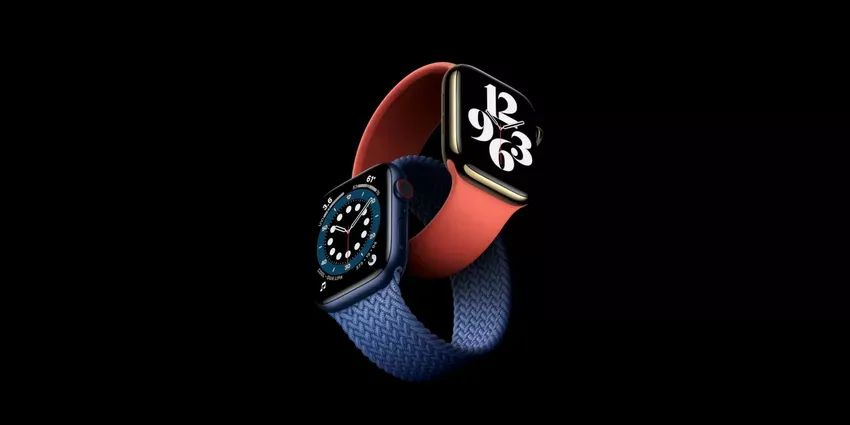
Fitness trackers have evolved dramatically, and the integration of artificial intelligence is changing everything. These aren't just step counters anymore—they're intelligent companions powered by machine learning algorithms that understand your body better than ever before. Welcome to the era where your wrist device functions as both a personal trainer and a predictive health coach.
How AI is Revolutionizing Fitness Tracking
Traditional fitness trackers counted calories and steps. Modern AI-enhanced devices analyze patterns, predict injuries, and optimize your training in real-time. Machine learning algorithms study your unique physiology, workout history, and recovery patterns to deliver hyper-personalized recommendations.
Unlike generic fitness advice, AI-powered trackers adapt to you. They learn your baseline heart rate variability, recognize your stress patterns, and suggest optimal workout timing based on your circadian rhythms and previous performance data. The algorithm gets smarter every single day you wear it.
The 15 Best AI-Enhanced Fitness Trackers of 2022
| Rank | Brand | AI Features | Best For |
|---|---|---|---|
| 1 | Fitbit Sense | EDA sensor + stress detection AI | Mental health tracking |
| 2 | Apple Watch Series 7 | Neural Engine, fall detection ML | iPhone users, health alerts |
| 3 | Garmin Epix | Training Load AI, recovery advisor | Athletes, performance data |
| 4 | Oura Ring | Readiness algorithm, sleep staging | Sleep optimization |
| 5 | Whoop Band | Predictive strain modeling | Elite athletes |
Key AI Capabilities Transforming Fitness in 2022
Predictive Analytics: Modern devices use neural networks to predict when you're approaching overtraining or illness. They analyze sleep quality, HRV (heart rate variability), and recovery metrics to prevent burnout and injury before it happens.
Personalized Coaching: Gone are the days of one-size-fits-all fitness plans. AI algorithms now create custom workout recommendations based on your age, fitness level, goals, and recovery capacity. The system adjusts difficulty in real-time based on your performance.
Smart Sleep Analysis: AI distinguishes between light, deep, and REM sleep with remarkable accuracy. It identifies sleep disruption patterns, environmental factors affecting rest, and provides actionable recommendations to improve sleep quality.
Biometric Learning: Machine learning models establish your personal baselines for heart rate, blood oxygen, body temperature, and more. Anomalies trigger alerts before they become health issues.
Stress Intelligence: Advanced trackers use AI to differentiate between physical stress, emotional stress, and environmental factors. They suggest real-time interventions like breathing exercises or rest periods based on detected stress levels.
Buying Guide: Choosing Your AI Fitness Tracker
Consider Your Primary Goal: Looking for cardiovascular fitness? Weight loss? Sleep optimization? Different trackers leverage AI differently. Apple Watch excels at overall health integration, while Oura focuses on sleep intelligence and Whoop specializes in athletic performance.
Ecosystem Compatibility: Your tracker's AI performs best within its native ecosystem. iPhone users maximize Apple Watch capabilities, while Android users benefit from Fitbit or Garmin ecosystems.
Data Privacy: Advanced AI requires data sharing. Research how each company handles your biometric information. Some trackers offer on-device processing, limiting cloud data transmission.
Battery Life vs. Features: More sophisticated AI typically means shorter battery life. Choose based on your lifestyle—do you need daily charging convenience or advanced predictive analytics?
Integration with Other Smart Devices: Leading trackers now communicate with smartphones, smart home systems, and health apps. Seamless integration amplifies the AI's effectiveness.
Frequently Asked Questions About AI-Powered Fitness Trackers
Q: How accurate is AI fitness tracking compared to professional measurement? A: Modern AI-enhanced trackers achieve 90-95% accuracy for step counting and heart rate. For advanced metrics like blood oxygen and stress levels, accuracy varies by device. Clinical-grade measurement remains most accurate, but AI trackers provide reliable trending data for daily optimization.
Q: Can AI fitness trackers prevent injuries? A: Yes, through predictive analytics. They monitor training load, recovery metrics, and strain indicators to identify overtraining patterns. Early warnings allow you to adjust intensity before injuries occur.
Q: How does machine learning improve over time? A: Every heartbeat, workout, and sleep cycle teaches the algorithm. After 2-3 weeks, your tracker establishes your baseline. After 2-3 months, it delivers highly personalized insights. The longer you wear it, the smarter it becomes.
Q: Are AI trackers worth the investment? A: For fitness enthusiasts and health-conscious individuals, the ROI is significant. Preventing one injury or optimizing one month of training through personalized coaching often justifies the cost.
Q: How do I protect my biometric data? A: Check privacy policies, enable two-factor authentication, review app permissions, use strong passwords, and consider trackers with on-device processing. Major brands like Apple and Fitbit employ military-grade encryption.
Q: Can AI trackers help with weight loss? A: Absolutely. AI provides calorie burn estimates, activity recommendations timed for maximum impact, and behavioral insights identifying your eating patterns and activity timing. The personalization significantly increases success rates.
The Future of AI Fitness Technology
2022 marks a turning point where fitness tracking transcends simple activity monitoring. AI integration creates truly intelligent devices that understand your unique biology and adapt in real-time. As these algorithms become more sophisticated, expect:
- Predictive health alerts weeks in advance
- Automatic workout adjustment based on real-time biometrics
- Integration with telemedicine for AI-supported doctor visits
- Advanced nutrition recommendations based on workout data
- Mental health prediction through biometric pattern analysis
Your next fitness tracker isn't just monitoring your health—it's actively working to improve it. Welcome to the intelligent fitness revolution.
Ready to upgrade? Start with a tracker that matches your ecosystem and primary health goal. The AI learns with you, improving its insights daily.