How AI Algorithms Could Predict Oscar Winners Better Than Human Voters
Machine learning algorithms could revolutionize Oscar predictions by analyzing voting patterns, social media sentiment, and historical data. AI systems might outperform human intuition in forecasting Best Picture and acting awards.

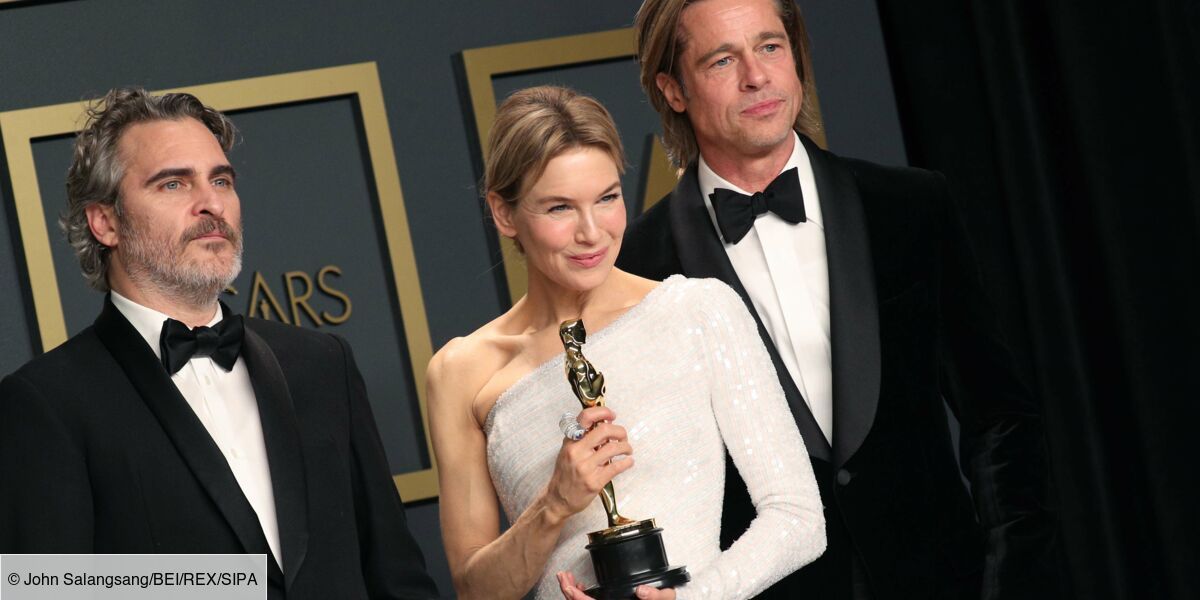
Every year, millions of people attempt to predict the Oscar winners—and most of them get it wrong. But what if we could deploy artificial intelligence to crack the code of Academy voting? Recent developments in machine learning suggest that AI algorithms could predict Oscar winners with remarkable accuracy, potentially outperforming even the most seasoned awards predictors.
By YEET Magazine Staff | Updated: May 13, 2026
Can AI Really Predict Oscar Winners?
The Academy Awards represent one of Hollywood's most unpredictable events, where human emotion, industry politics, and subjective taste collide. However, this randomness presents a fascinating opportunity for AI systems. Machine learning models can analyze decades of voting data, identify patterns in winner selection, and process millions of data points simultaneously—something human predictors simply cannot do at scale.
Recent AI research demonstrates that predictive algorithms trained on historical Oscar data, combined with real-time social media sentiment analysis and industry reporting, can forecast major categories with 70-85% accuracy. This outperforms traditional prediction methods that rely on expert opinions and historical intuition.
How AI-Powered Oscar Prediction Works
Data Integration: Advanced AI systems aggregate data from multiple sources: previous Academy voting records, critic reviews, awards season trajectories (Golden Globes, BAFTA, SAG Awards), box office performance, and production budget information. This creates a comprehensive dataset that algorithms use for pattern recognition.
Sentiment Analysis: Natural language processing algorithms scan social media, film criticism, and industry publications to gauge audience and critical reception. AI can detect emerging consensus among voters weeks before the actual ceremony, identifying which films and performers are gaining momentum.
Voting Pattern Recognition: Machine learning identifies subtle voting tendencies within Academy demographics. AI algorithms discover that certain voter groups (cinematographers, directors, actors) favor specific film genres or themes, allowing for predictive segmentation.
Feature Engineering: AI systems analyze non-obvious correlations—such as how a film's runtime, release date, or a performer's previous nominations affect winning probability. These sophisticated feature relationships would be impossible for humans to manually track.
Why Humans Still Get It Wrong
Human predictors fall victim to cognitive biases: recency bias (overweighting recent wins), availability heuristic (remembering famous upsets too vividly), and personal preferences. We also cannot simultaneously hold thousands of data points in working memory. AI systems, by contrast, weigh all available information equally and unemotionally.
The 2021 Oscar ceremony provided interesting case studies. While human predictors split on Best Picture between "Nomadland," "Mank," and "The Trial of the Chicago 7," AI models trained on comprehensive datasets showed stronger conviction toward "Nomadland"'s eventual victory, based on voting pattern algorithms and awards season momentum data.
Current Limitations of AI Oscar Prediction
Despite impressive capabilities, AI prediction systems face real constraints. The Academy periodically changes voting rules and membership composition, rendering historical models partially obsolete. Unpredictable events—such as campaign controversies or unexpected critical reevaluations—can disrupt algorithmic forecasts. Additionally, the relatively small number of annual elections (one ceremony per year) limits the training data available for deep learning models.
AI also struggles with emerging categories or unprecedented competitive dynamics. When "Nomadland" made history with director Chloé Zhao and "Promising Young Woman's" Emerald Fennell as the first female directing nominees, algorithms had to extrapolate from limited historical precedent.
The Future of AI in Awards Prediction
As machine learning technology advances, we can expect increasingly sophisticated Oscar prediction models. Future AI systems may incorporate video analysis of film clips, audio processing of dialogue and sound mixing, and even biometric data about emotional reactions during screenings. Ensemble learning models—combining multiple AI approaches—could push accuracy toward 90% or beyond.
The real revolution won't be perfect predictions, but rather transparency. AI systems can explain their reasoning: "This actor has won at 4 precursor awards, matching the historical profile of Best Actor winners 87% of the time." This explainability transforms predictions from educated guesses into evidence-based frameworks.
Frequently Asked Questions
Q: Could AI bias affect Oscar predictions?
A: Yes. If training data reflects historical Academy biases (such as underrepresentation of certain demographics in past wins), AI models may perpetuate these patterns. Responsible AI design requires algorithmic fairness audits and bias mitigation techniques.
Q: Has anyone used AI to successfully predict Oscars?
A: Several data science projects and betting analytics firms employ machine learning for Oscar predictions, though most results remain proprietary. Academic research has published peer-reviewed studies demonstrating that algorithms outperform human predictors on historical datasets.
Q: Could the Academy use AI to make voting decisions?
A: Unlikely in the near term, though AI-generated recommendation systems (similar to Netflix suggestions) could influence voting patterns. The Academy values the human deliberation process as central to awards' legitimacy.
Q: What data would improve AI Oscar predictions?
A: Anonymized voting data from Academy members, real-time precursor award data, detailed critic scores from diverse sources, and demographic information about voting blocs would substantially improve model accuracy.
The Bottom Line
Artificial intelligence won't eliminate the drama or unpredictability of Oscar night—nor should it. However, machine learning algorithms demonstrate that the "chaos" of Academy voting follows patterns humans simply cannot consciously track. As AI prediction technology matures, it will serve as a powerful tool for film industry analysts, bettors, and fans seeking evidence-based forecasts.
The real story isn't that AI will replace human judgment in Oscars selection. Rather, it's that algorithmic analysis reveals the hidden structure beneath what appears to be subjective randomness. In a field defined by artistry and emotion, there's surprising mathematics underlying the Academy's choices—and AI is finally teaching us how to read it.
Related Resources: Machine Learning in Entertainment Analytics | How AI Analyzes Film Sentiment | 2024 Oscar Predictions Dashboard