AI Fashion Algorithms Predict Your Perfect New Year's Eve Shoes
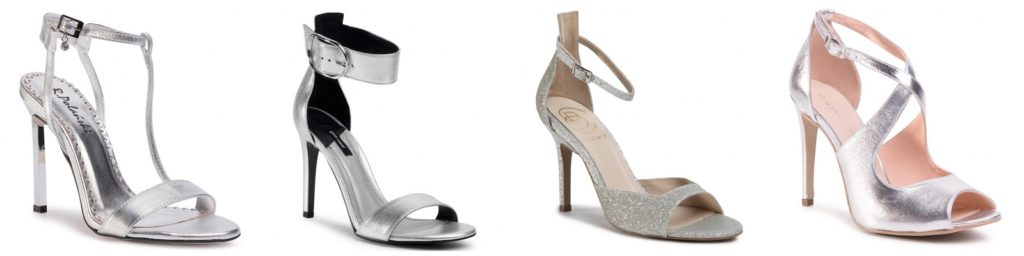
Forget guessing what to wear. AI fashion algorithms now analyze millions of social posts, runway data, and purchase patterns to predict exactly which shoes will trend on New Year's Eve. Spoiler: retro metallic sandals and black ankle-tie heels are winning.

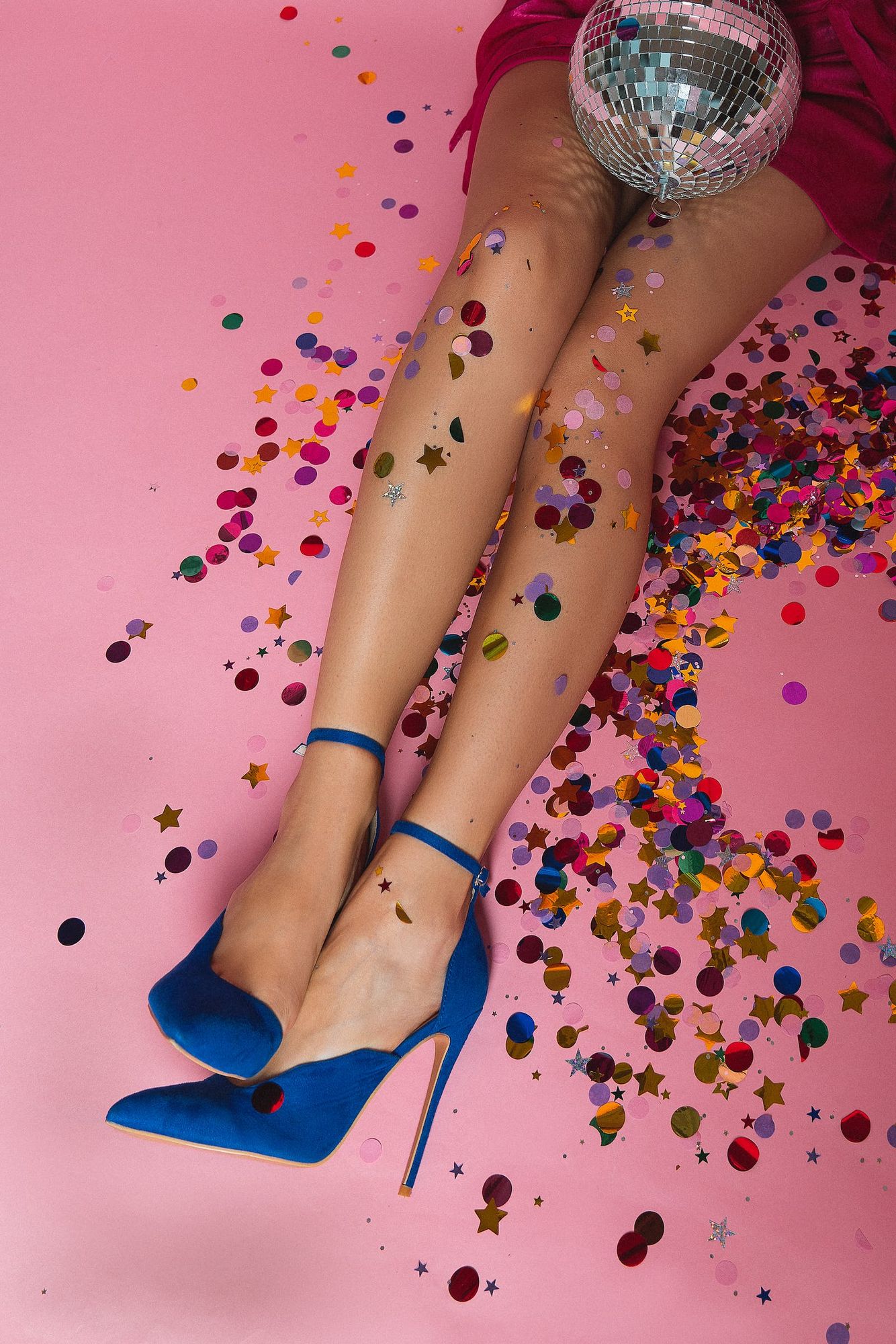
Which NYE shoes should you wear? AI-powered trend forecasting says retro metallic sandals and black ankle-tie heels will dominate. Here's why: machine learning algorithms analyze billions of social media posts, Pinterest saves, and purchase data to identify emerging patterns weeks before humans notice them. Fashion retailers now use predictive AI to stock inventory based on algorithmic forecasts—meaning what you see in stores isn't random. It's data-driven.
By YEET Magazine Staff | Updated: May 13, 2026
Forget flipping through magazines. In 2024, AI fashion engines like those used by major retailers crunch data from Instagram trends, TikTok hashtags, and real-time sales velocity to predict what'll actually sell. The algorithms detected a resurgence in retro aesthetics months ago, flagging metallic silver sandals as likely winners for NYE.
The silver heeled sandal trend proves this. AI systems identified that nostalgic 90s/Y2K styles were gaining momentum across Gen Z and millennial demographics. Brands stocked accordingly. Now these shoes are everywhere—not by accident, but by algorithmic design.
Black ankle-tie sandals represent another algorithmic victory. Computer vision AI scanned runway shows and influencer posts, detecting that coordinated "head-to-toe" looks with repeated motifs (knots, ties, straps) were emerging as a micro-trend. By November, algorithms flagged this pattern and recommended it to fashion buyers.
This matters because it changes how you shop. Instead of hunting blindly, you can trust that what's being recommended to you was validated by systems analyzing millions of data points. AI doesn't have bad taste—it has no taste at all, just pattern recognition at scale.
Retailers use these predictions to automate inventory management. Less guessing. More precision. Your favorite shoe brand probably already knows what you'll want next month before you do.
Real talk: The shoes you're seeing promoted right now? An algorithm somewhere decided they were your best bet based on your browsing history, demographic profile, and social connections. Personalization at scale. It's not creepy once you understand how it works.
How does fashion AI actually predict trends? Machine learning models train on historical sales data, social media mentions, and visual recognition of runway styles. When a pattern matches previous "breakout trend" signatures, the algorithm flags it. Retailers get alerts. Inventory shifts. You see it in stores.
Can AI get fashion predictions wrong? Absolutely. Algorithms can't predict freak viral moments or celebrity endorsements that shift culture overnight. But for baseline trend forecasting? They're eerily accurate because they're measuring actual human behavior at scale, not hunches.
Should you trust algorithm-recommended shoes? Yes and no. Algorithms know what's trending statistically, but they don't know your body, your style, or what makes you feel confident. Use AI recommendations as a starting point, then apply human judgment.
Do fashion brands manipulate trends using AI? Sort of. They use predictive AI to decide what to manufacture and promote, which shapes what's available for you to buy. It's not manipulation—it's just algorithmically informed business strategy.
Will AI eventually pick your entire outfit? We're heading there. Style AI tools already generate complete looks based on your preferences. In 5 years, your closet's AI assistant will probably outfit you without asking.
For more on how algorithms shape your choices, check out our piece on how recommendation engines predict what you'll buy or explore the future of AI-driven personalization.