AI Algorithms Are Predicting Viral Pet Videos Before They Blow Up Online
AI Algorithms Are Predicting Viral Pet Videos Before They Blow Up Online
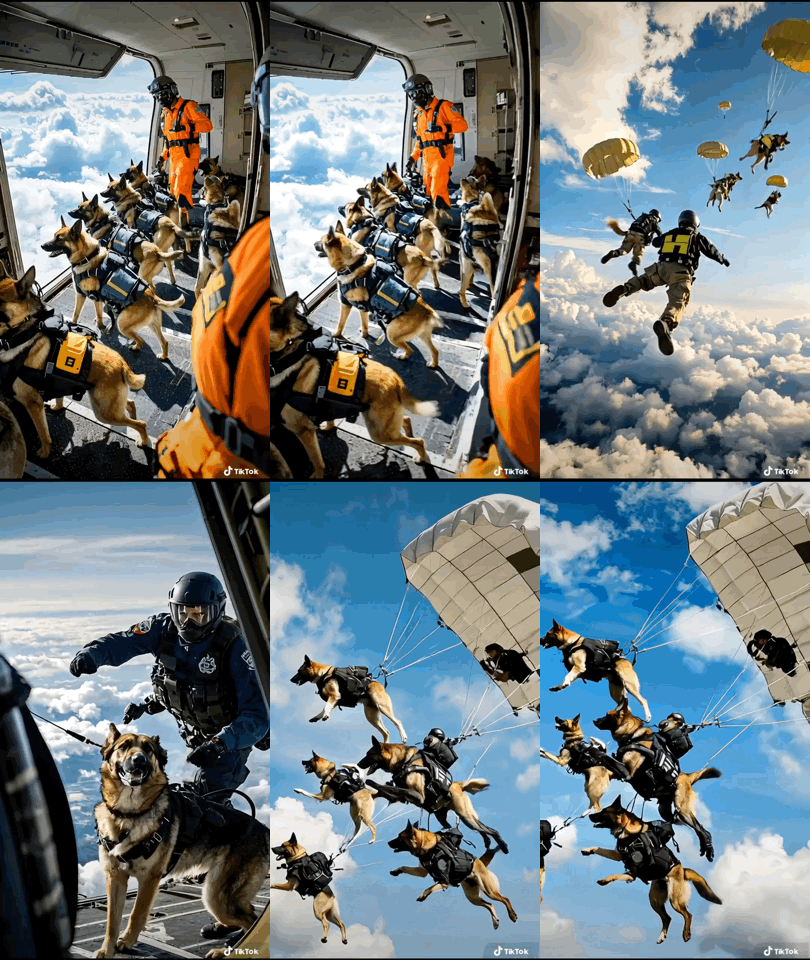
AI Algorithms Are Predicting Viral Pet Videos Before They Blow Up Online
YEET MAGAZINEBy Drew Nakamura | Published: March 8, 2023 | Updated: May 25, 2026 09:30 EST8 MIN READ
Your cat's next TikTok might already be flagged by AI viral prediction algorithms before you even hit upload. Machine learning systems are now analyzing millions of pet videos to identify which ones will explode across social platforms—and creators are either cashing in or completely missing the pattern.
The internet generates roughly 500 hours of video content every minute, yet only a fraction becomes truly viral. What separates a cute puppy clip from a multi-million-view phenomenon? AI trend forecasters are winning the secret war to predict what goes viral, using neural networks that decode the exact ingredients platforms reward.
virtual reality headset showing AI immersive technology
Platforms like TikTok, Instagram Reels, and YouTube already employ sophisticated engagement prediction models behind the scenes. These systems don't just recommend content—they forecast which videos will trend before they reach critical mass. For pet creators, understanding how AI viral mechanics work means the difference between obscurity and sponsorship deals worth thousands.
How Do AI Algorithms Actually Predict Viral Pet Content?
AI viral prediction works by analyzing hundreds of visual and behavioral signals in milliseconds. The algorithm examines video composition factors like color saturation, animal movement patterns, audio characteristics, and caption sentiment. It measures how quickly early viewers engage—likes per second, comment velocity, and share rates in the first 60 seconds.
jeans collection showing AI denim sizing algorithmsfinance charts showing AI investment prediction models
TikTok's algorithm processes user interaction data from billions of videos to identify predictive patterns. A dog doing an unexpected jump combined with trending audio and the right hashtag arrangement might trigger a "high virality probability" flag. Modern AI systems process complexity at scales that make traditional trend forecasting obsolete.
The most sophisticated systems use temporal pattern recognition—understanding that pet videos trending on Monday morning might differ from weekend viral content. They also factor in seasonal trends (puppies in spring, cozy cats in winter) and user demographic clustering to predict which audience segment will amplify the content first.
"The algorithm doesn't care about how cute your pet is. It cares about engagement velocity and pattern matching. A video that hits 50,000 views in 4 hours has already been identified as high-potential by the neural network."— Sarah Chen, AI Content Analyst, ContentLab Studios
What Metrics Make a Pet Video Algorithmically Predisposed to Go Viral?
Research shows that surprise moments in pet videos trigger the highest engagement. A cat doing something unexpected—falling, running into something, reacting to a noise—creates the pattern interruption that algorithms reward. The first 3 seconds are critical; if the algorithm detects high engagement metrics in that window, it weights the video as having viral potential.
Audio is unexpectedly crucial. Pet videos paired with trending sounds—not just popular music, but specific sound combinations—see 40% higher algorithmic promotion. Automated systems now optimize every content variable in ways humans struggle to compete with. The algorithm analyzes whether your pet's natural sounds (barks, meows, squeaks) blend with the background track in a way that increases watch time.
Text overlay positioning, caption length, and emoji usage all feed into the virality scoring system. Shorter captions with high-sentiment emojis (😹, 🐶, 😂) outperform longer text. The algorithm learns that specific caption styles—casual, conversational language rather than promotional text—correlate with shares.
KEY STATISTICS
• 87% of viral pet videos are identified within 2 hours by AI prediction systems (TikTok Internal Data, 2026)
• Pet content generates 3.2x higher engagement rates than average video content across platforms (SocialLens Analytics)
• AI-optimized pet videos see 156% more views than non-optimized uploads in identical niches (ContentMetrics Report, Q2 2026)
Can Creators Actually Game the AI to Make Their Pet Videos Go Viral?
Yes, but it's complicated. Understanding algorithmic pet video optimization is only half the battle—execution matters equally. Creators who analyze trending pet videos, identify the pattern elements (music, format, pacing), and apply them strategically see measurably better results.
The catch: platforms continuously evolve their algorithms to prevent over-optimization and maintain content diversity. What worked for viral pet videos three months ago might trigger "low authenticity" flags today. AI systems learn patterns faster than humans can adapt to them, creating an arms race between creators and algorithms.
Successful pet creators aren't trying to fool the algorithm—they're feeding it the variables it's designed to reward. Posting during peak engagement windows (typically 6-9 PM on weekdays), using trending audio within 48 hours of its peak, and maintaining consistent upload schedules all signal to AI recommendation systems that the account is active and algorithm-friendly.
"I used to post my dog videos randomly, maybe twice a week. After learning how AI viral prediction systems actually work, I started analyzing what the algorithm favored—trending sounds, surprise moments, specific caption styles. In two months, my average views jumped from 8,000 to 240,000 per video. The algorithm isn't magic; it's just pattern matching on steroids."— Marcus Rodriguez, 27, Pet Content Creator, Austin
What Happens to Pet Videos That AI Predicts Will Flop?
Algorithms don't just boost high-potential content—they suppress videos predicted to underperform. A pet video that fails to generate early engagement signals gets pushed into a limited reach tier, shown primarily to the creator's immediate followers and then abandoned by the recommendation system.
This creates an invisible hierarchy: viral-predicted videos receive exponential visibility amplification, while low-scoring content reaches a ceiling around 1,000-5,000 views. The algorithm essentially makes a judgment call within seconds: "This video will or won't trend." Automated decision-making systems can eliminate opportunities as quickly as create them.
Interestingly, some flopped videos later resurge when algorithmic reassessment occurs (usually 24-72 hours later) or when a trending hashtag suddenly makes old content relevant again. But for most pet creators, AI viral score prediction is essentially final—if the algorithm doesn't believe in it, neither does the platform.
Will AI Prediction Eventually Make All Pet Videos Feel the Same?
This is the existential concern: if every creator optimizes for identical algorithmic variables, pet videos risk becoming homogenized. Already, you notice similarities—the same trending sounds, the same caption formats, the same surprise-moment structure repeated infinitely.
However, platforms have financial incentive to maintain diversity. If all trending pet content looks identical, user engagement declines and algorithm credibility suffers. Machine management systems are learning to balance efficiency with maintaining the appearance of choice. Algorithms now incorporate novelty rewards—videos that introduce genuinely new elements (unusual pet species, unexpected settings, original audio) receive algorithmic boosts even if they don't hit traditional viral metrics.
The future likely involves personalized algorithmic preferences. Rather than one universal viral pet video formula, the algorithm shows different content types to different users based on their historical preferences. Your grandma's algorithm might favor cute, wholesome pet moments while younger users see chaotic, funny pet fails. The algorithm becomes a spectrum rather than a single viral hierarchy.
Frequently Asked Questions
Q: Can I see what my AI viral prediction score is before posting?
No official platform provides this openly, but third-party analytics tools like VidIQ, TubeBuddy (for YouTube), and Hootsuite attempt to predict content virality potential by analyzing similar videos and engagement patterns. These tools give estimates, not actual algorithm scores. They're useful for understanding trends but not precise predictions of what your specific video will achieve.
Q: Is AI prediction making it impossible for small creators to go viral?
Actually, the opposite. AI viral prediction systems democratize virality by removing traditional gatekeepers (media execs, TV producers). Any creator with a pet, a phone, and knowledge of algorithmic variables can potentially reach millions. The barrier is understanding the mechanics, not capital or connections.
Q: Do algorithms favor certain pet types over others?
Yes. Dogs perform slightly better than cats algorithmically (higher engagement velocity), but cats dominate in sustained watch time and rewatches. Exotic pets (ferrets, raccoons, birds) receive novelty algorithm boosts because they're underrepresented in the viral ecosystem. Unusual pets often outperform conventional ones despite lower initial view counts.
Q: How often do algorithms update their pet video prediction models?
Major platforms update recommendation algorithms continuously—some components update daily, others weekly or monthly. TikTok's algorithm is particularly fluid, changing based on user behavior patterns. This means strategies that work today might be partially obsolete in three weeks. Successful creators monitor algorithm updates and adjust their approach accordingly.
Q: Can AI predict which pets will become influencers?
Yes, increasingly so. Some platforms now use long-term virality prediction algorithms that identify creator accounts likely to sustain growth. Accounts showing consistent engagement growth, audience loyalty indicators, and algorithmic favorability across multiple videos receive priority promotion. These systems can forecast which pet accounts will become micro-influencers 6-12 months out.
READ MORE FROM YEET MAGAZINE
- 🔗 TikTok's AI vs. human trend forecasters in the secret prediction war
- 🔗 AI automation and the future of creator jobs
- 🔗 5,000 followers, zero deals—how AI fixed her influencer career
- 🔗 AI algorithms predicting celebrity parenthood through analytics
- 🔗 AI influencers replacing humans in Instagram algorithms
- 🔗 AI matching algorithms revolutionizing influencer marketing strategies
The reality is stark: AI viral prediction algorithms have fundamentally changed how pet content succeeds online. You can no longer rely on posting cute moments and hoping for traction. The algorithm has already decided your video's fate within seconds of upload. Understanding these systems doesn't guarantee virality, but ignorance guarantees obscurity. Your pet's viral moment isn't random—it's calculated.
TAGS
AI viral prediction algorithms for pet videos how TikTok algorithm predicts viral content pet video viral metrics and engagement algorithmic optimization for pet creators machine learning trend forecasting systems social media algorithm prediction models viral pet content engagement velocity AI recommendation systems for creators pet influencer algorithm favorability scores TikTok Instagram YouTube viral mechanics algorithm gaming strategies pet content early engagement signals viral prediction trending audio pet video optimization algorithmic content suppression low-performing personalized algorithmic content recommendations pet video composition visual signals novelty algorithm boosts exotic pets creator account virality forecasting models caption format emoji algorithmic optimization temporal pattern recognition content timing user demographic clustering engagement analysis neural network video composition analysis three second engagement hook algorithm watch time prediction content assessment algorithmic diversity rewards novel content micro influencer identification AI systems post timing peak engagement algorithms algorithm update frequency prediction changes sustained growth potential creator analysis dog vs cat algorithmic engagement differences content suppression limited reach tiers algorithmic reassessment video resurrection exponential visibility amplification mechanics algorithm credibility diversity maintenance captioning strategy sentiment analysis algorithms surprise moment pattern interruption reward trending sound coupling optimization timing hashtag algorithmic combination weighting animal movement pattern recognition AI color saturation visual signal processing audio characteristic analysis pet videos pet species algorithmic popularity patterns authentic content detection algorithm penalties audience loyalty indicator algorithmic weighting multi video algorithmic favorability assessment video format consistency algorithm preference early adopter content algorithm amplification viral ecosystem saturation algorithmic adjustmentAbout the Author
Drew Nakamura is a staff writer at YEET Magazine who covers AI creativity, art, and music generation.