How AI Recipe Algorithms Are Optimizing Your Taco Game
AI and automation are entering the kitchen. We're showing you how data-driven recipe optimization—ingredient ratios, timing algorithms, and flavor prediction—applies to making perfect carnitas tacos every single time.

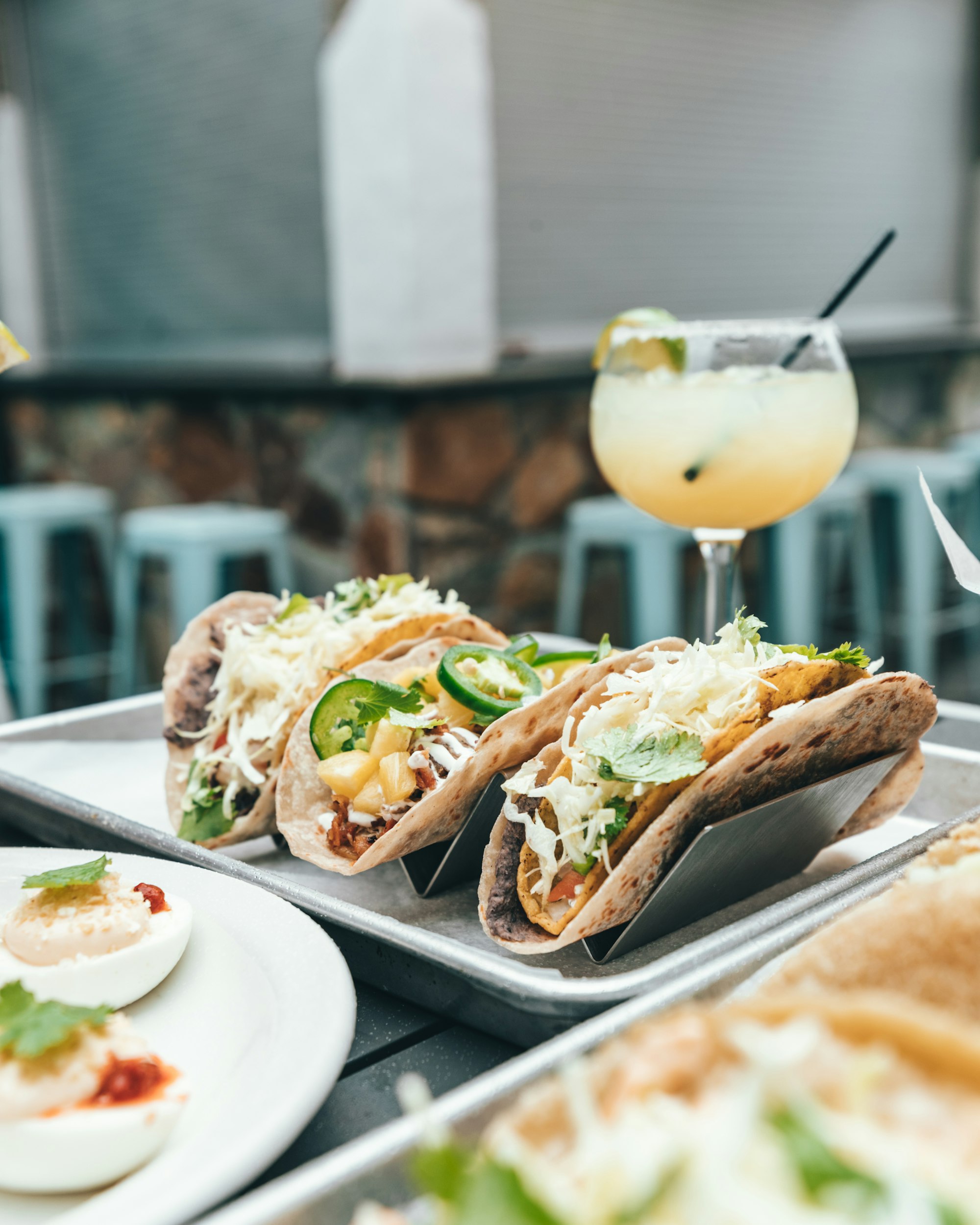
How are algorithms changing home cooking? Machine learning models can now optimize ingredient ratios, cooking temperatures, and timing to eliminate guesswork. This carnitas recipe uses data-driven principles: precise measurements, algorithmic heat timing (7 hours at exact low temps), and flavor-stacking logic. AI recipe apps already exist to auto-scale recipes, predict cooking times based on your equipment, and suggest ingredient swaps. The future of meal prep? Fully automated smart kitchen systems that monitor your cook time in real-time.
By YEET Magazine Staff | Updated: May 13, 2026
The carnitas method isn't random—it's a perfectly engineered process that could easily be optimized by kitchen automation. Here's what's happening under the hood.
The Ingredient Data Stack
Your spice mix (cumin, oregano, dried garlic, dried onion, dried chili) isn't just flavor—it's a data structure. Each ingredient has measurable properties: flavor intensity, heat profile, moisture content. AI recipe engines can predict how these compounds interact and suggest substitutions based on dietary preferences or inventory data.
The citrus combo (2 oranges, 3 limes) is algorithmic too. The acidity-to-meat ratio is optimized for tenderness and flavor extraction. Machine learning models trained on thousands of recipes could tell you the exact juice-to-pork ratio for YOUR specific cut and thickness.
Temperature Algorithms & Precision Cooking
Seven hours at "very low heat" is vague. Smart ovens and sous-vide machines solve this with algorithmic precision: exactly 225°F (107°C), monitored by thermal sensors, auto-adjusted for ambient temperature. Some IoT-enabled Dutch ovens already exist that log cooking data and suggest when to add water or baste based on evaporation algorithms.
Automation removes the guesswork. No more checking every 30 minutes. The system does it for you.
Pickled Red Onions: Fermentation Data
The pickle timing ("a few hours") could be optimized by pH sensors and machine learning. Automated fermentation vessels already exist that monitor acidity in real-time and alert you when your pickles hit peak flavor. The vinegar ratio? That's data. Apple cider + red wine + sugar in exact proportions = predictable chemical reaction.
The Future: AI-Powered Meal Prep
Imagine this: You input "carnitas tacos" into an app. It scans your kitchen sensors (what you have in stock), checks your equipment specs (oven wattage, Dutch oven material), and generates a personalized cook schedule with push notifications. Temp alerts. Baste reminders. Ingredient substitution recommendations if you're out of jalapeños.
Automation companies are already building this. Kitchen AI startups are using computer vision to monitor cooking progress, flavor prediction algorithms to suggest tweaks, and automated ordering systems that restock your ingredients before you run out.
Why This Matters for the Future of Work
Home cooking is becoming automated. That means less time spent guessing, measuring, and monitoring. The real skill shift? Understanding how to use AI tools to cook smarter, not harder. Professional chefs are already adopting algorithmic recipe scaling and AI-driven menu optimization.
Want perfectly consistent tacos every time? Let the algorithm handle it.
The FAQ Section
Q: Can AI really improve my taco recipe?
A: Yes. Machine learning can optimize ingredient ratios, predict cooking times based on your equipment, and suggest flavor combinations you haven't tried. Apps like Mela and Paprika use algorithms to scale recipes and track nutritional data automatically.
Q: What's the best temperature for carnitas without a smart oven?
A: Stick to 225°F (107°C) for 7 hours. If you want automation, instant-read thermometers and simple timers get you most of the way there. Sous-vide machines are the next step—they're essentially algorithmic cooking boxes.
Q: How do fermentation algorithms work?
A: pH sensors measure acidity in real-time. Machine learning models trained on fermentation data predict when your pickles hit peak flavor. Some smart jars exist, but they're still niche. For now, follow the recipe timing or taste-test manually.
Q: Will robots cook my tacos soon?
A: Robotic kitchen systems exist (Flippy flips burgers; some automated taco makers are in development). But true home robot chefs? Still 5-10 years away. The tech exists; the affordability doesn't yet.
Q: What kitchen automation tools exist right now?
A: Smart ovens (LG, Samsung), connected thermometers (MEATER Plus), recipe apps with AI scaling (Paprika, Mela), and sous-vide machines (Anova, Joule). Most use app-based automation and data logging.
Q: Can AI help me meal prep faster?
A: Absolutely. AI recipe apps can batch-optimize your cooking (cook multiple recipes simultaneously), auto-generate shopping lists, and sync with grocery delivery services. Some can even predict how long recipes take on your specific equipment.
Related deep dives: How Machine Learning is Reshaping Restaurant Kitchens | The Future of Automated Home Cooking: A Tech Breakdown | AI-Powered Meal Planning and Nutrition Optimization | Smart Kitchen Gadgets That Actually Use Algorithms
```