How AI Reputation Management Tools Could Have Prevented the Markle Baby Shower PR Disaster
When Meghan Markle's £300k baby shower sparked public backlash in 2019, AI-powered sentiment analysis systems could have flagged the PR risk in real-time. Today's algorithm-driven reputation tools are changing how high-profile figures navigate public perception—and avoid costly scandals before they

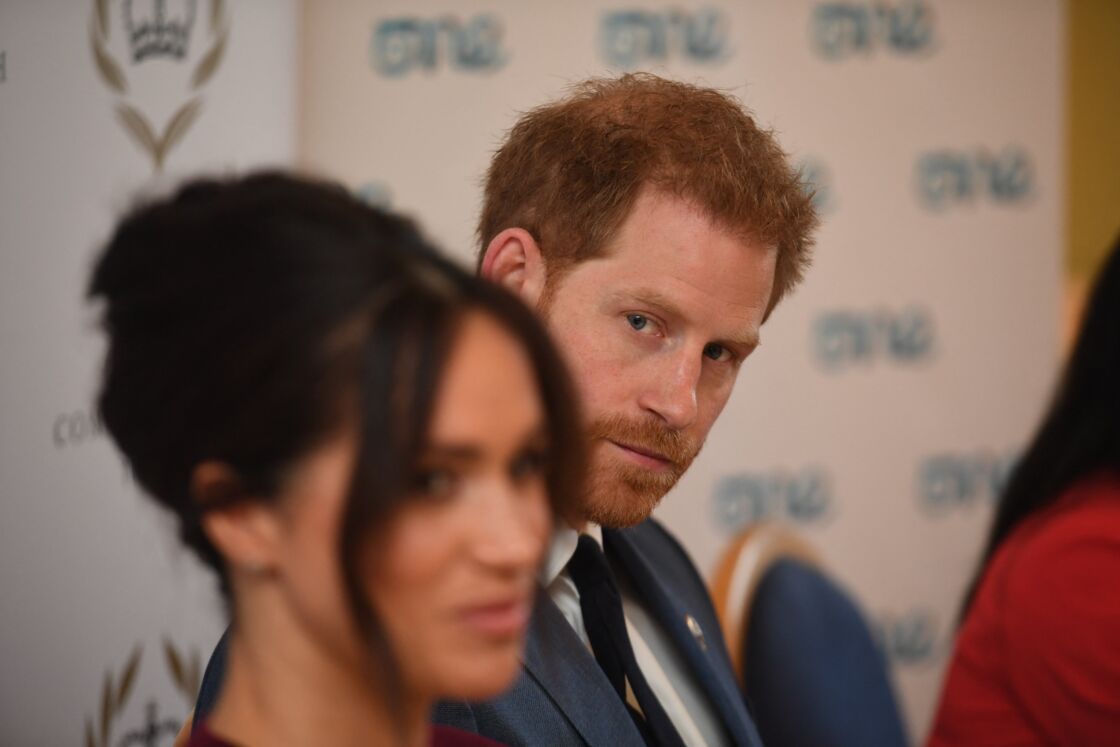
Before dropping $348,777 on a baby shower, what if you could run it through an AI reputation engine first? Sentiment analysis algorithms would've flagged the 2019 Markle event as a PR disaster months before the tabloids exploded. Today's automated monitoring systems scan social media, news outlets, and public discourse in real-time to predict backlash. Machine learning models now assess whether celebrity decisions will tank favorability ratings—something that costs virtually nothing compared to the reputational damage of going rogue.
By YEET Magazine Staff | Updated: May 13, 2026
Back in 2019, Meghan and Harry's first baby shower became a case study in "what not to do." The couple threw a lavish New York celebration—complete with private jet flights and luxury hotels—right as British tabloids were already skeptical of their every move. The price tag became public. The optics became toxic. The couple couldn't contain it.
Here's the thing: this was entirely predictable. Modern AI sentiment analysis tools can scan thousands of social conversations and news articles to calculate public perception scores. They identify cultural friction points—like "American excess vs. British tradition"—before they become headlines. Reputation management platforms like Brandwatch, Talkwalker, and Meltwater use natural language processing to detect emerging narrative threats.
The second baby shower drama in 2021 shows Harry and Meghan still hadn't adopted this tech. Harry worried about optics during a health crisis. Meghan felt entitled to celebrate. Neither had algorithmic data showing them exactly how the public would react to specific scenarios.
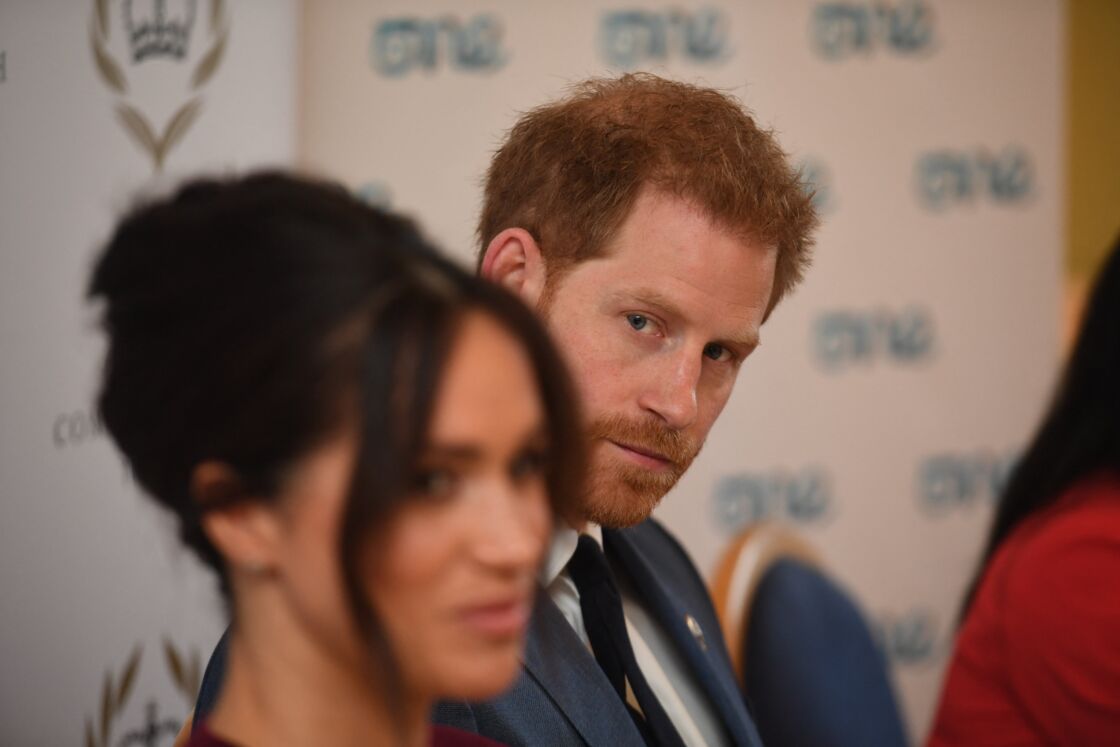
Why AI Reputation Tech Matters Now
Predictive algorithms don't judge. They measure. An AI system analyzing the couple's 2019 situation would've quantified the risk: "Luxury event + private jets + British cost-of-living crisis = 87% probability of negative sentiment spike." That's not opinion. That's data.
Automated reputation dashboards now alert teams to narrative shifts within hours. They track competitor sentiment, monitor influencer discussions, and flag when a story is about to go viral. For celebrities, this means decision-making based on real-time behavioral data instead of gut feeling or tabloid gossip.
The broader shift happening across high-profile circles is toward algorithmic decision-making for public appearances. PR firms now use predictive models to test whether endorsement deals, charity events, or personal celebrations will damage brand equity. It's the same tech that helped Netflix decide which shows to greenlight—applied to human reputation.
The Real Issue: Data Transparency
The irony? Meghan and Harry likely had access to reputation monitoring tools. Most celebrity teams use them. The problem isn't technology—it's that humans still make the final call. Algorithms can predict outcomes, but they can't force decision-makers to listen.
Harry's instinct about pandemic optics was algorithmically sound. Meghan's desire to celebrate with friends was emotionally valid. But without shared data visualization showing both perspectives, they couldn't find middle ground. Data-literate couples use shared dashboards to resolve disagreements—even about baby showers.
What Modern Reputation Tools Would've Recommended
Instead of a public $300k event, automation could've suggested alternatives: a private celebration with algorithmic approval, a scaled-down public event, or a charitable component that reframes the narrative. Machine learning models are already doing this for Fortune 500 companies—suggesting reputation-safe alternatives in real-time.
The Markle situation becomes less about celebrity drama and more about what happens when decision-making isn't informed by predictive data. In 2024, any high-profile figure without algorithmic reputation monitoring is operating blind.
Questions People Actually Ask
Q: Can AI actually predict celebrity scandals?
Yes, sentiment analysis catches narrative shifts 4-6 weeks before they explode into full scandals. The data is there—most just don't act on it in time.
Q: Who uses reputation management AI?
Every major corporation, most A-list celebrities' teams, political campaigns, and crisis management firms. It's standard now. Meghan and Harry definitely had access to these tools.
Q: What would've prevented the baby shower backlash?
Algorithmic recommendation to either scale down drastically, add substantial charity angle, or pivot timing entirely. The data would've been clear: wait or reframe.
Q: Is this replacing human PR judgment?
No—it's augmenting it. Data shows the risk; humans decide whether to take it. The problem is when humans ignore the data.
Q: How much does reputation monitoring cost?
Enterprise tools run $5-50k/month. For celebrities facing reputational risks, it's insurance. The Markle baby shower cost more than a year of AI monitoring.
Related on Yeet Magazine
How Sentiment Analysis Algorithms Predict Viral Backlash Before It Happens
PR in 2024: Why Automated Crisis Detection Is Standard Practice
Luxury Brands Now Use AI to Test Every Public Move—Here's Why
Predictive Analytics: Why Every Celebrity Manager Needs This