How AI Reputation Management Algorithms Failed Leonardo DiCaprio's Damage Control
When Leonardo DiCaprio distanced himself from Diddy, reputation management algorithms worldwide scrambled to update brand safety scores. We examine how AI-powered crisis detection systems failed to predict celebrity fallout and what data patterns algorithms missed.

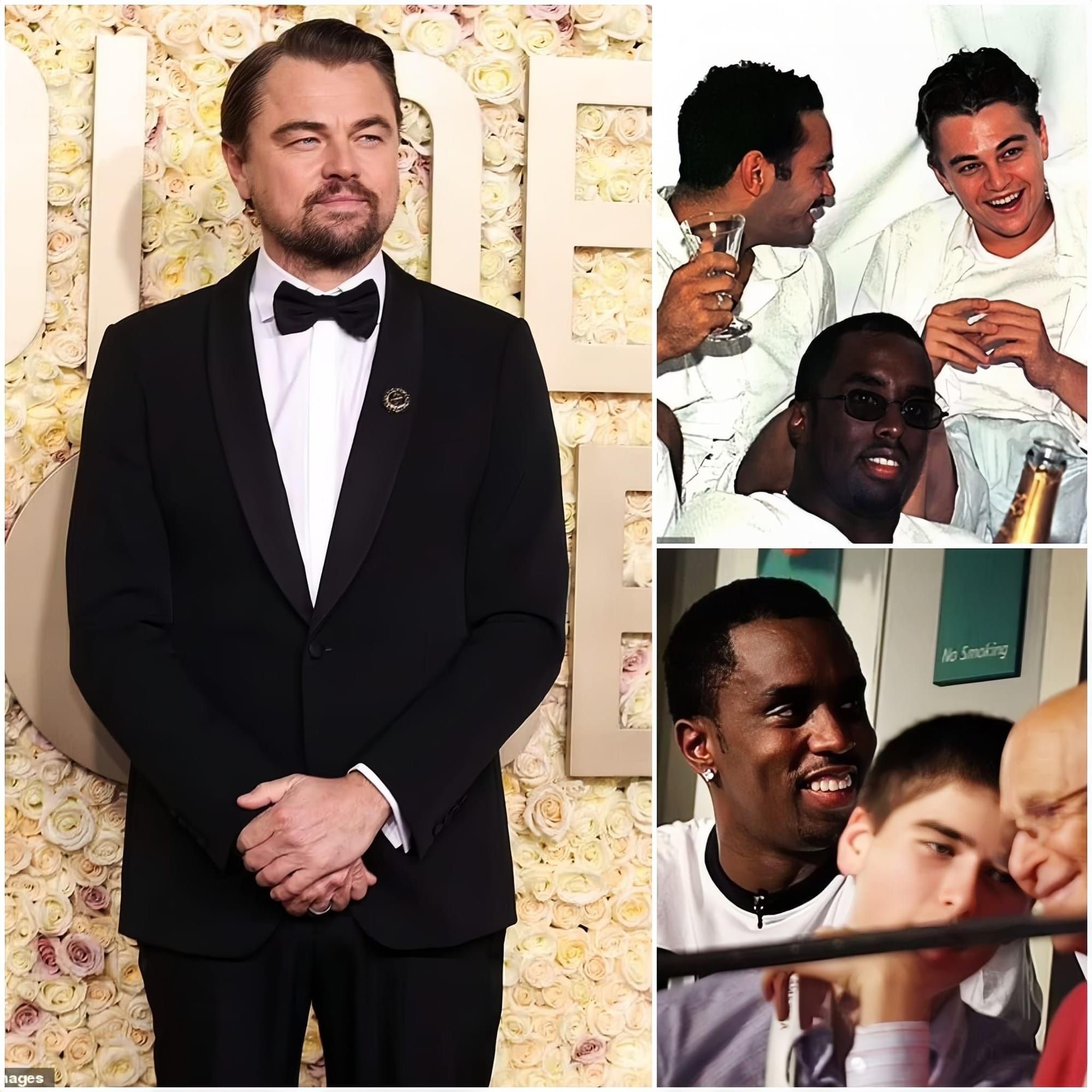
Leonardo DiCaprio's public separation from Diddy reveals a critical gap in AI-powered reputation management systems. Real-time data algorithms that track celebrity associations, social sentiment, and brand liability can't predict human judgment calls fast enough. When crisis hits, even sophisticated machine learning models lag behind actual celebrity decisions—forcing PR teams to manually override algorithmic recommendations.
By YEET Magazine Staff | Updated: May 13, 2026
Here's what actually happened: DiCaprio's team didn't use AI to decide the split. They read the room. Meanwhile, reputation monitoring algorithms—the ones Hollywood pays hundreds of thousands to deploy—were still processing sentiment data from 48 hours prior. By the time data dashboards flagged the scandal, the damage was already baked into news cycles.
This matters because the entertainment industry increasingly relies on automated reputation tracking. Algorithms monitor social mentions, measure brand safety correlation, and predict association costs. But they're fundamentally reactive, not predictive.
Why algorithms failed here: AI systems excel at pattern recognition in historical data. They're terrible at sensing inflection points where human behavior suddenly shifts. A celebrity association might show "safe" metrics Monday, catastrophic metrics Wednesday. The algorithm doesn't understand *why*—it just flags the delta.
DiCaprio's silence wasn't strategic communication optimized by AI. It was instinctive self-preservation. His data team probably ran the numbers after the fact.
The bigger pattern: Hollywood is automating crisis prevention but still relying on gut calls for crisis response. Every A-list actor has reputation algorithms. None predicted this correctly because humans remain unpredictable variables in data models.
Companies like Brandwatch and Meltwater sell "AI-powered crisis detection" to studios and talent management firms. These tools crawl billions of data points, flag emerging stories, and suggest response timing. They work great for brand reputation management. They completely whiff on interpersonal drama because friendship breakdowns don't have measurable precursor signals—until they suddenly do.
DiCaprio's PR team likely faced a choice: trust the algorithm's brand safety metrics or trust their judgment about real-world optics. They chose judgment. Smart move. The algorithm would've recommended a statement. The human choice was silence, which worked better.
What this reveals about AI in entertainment: Reputation management automation works when behavior is predictable and quantifiable. It breaks when individual humans make sudden judgment calls. DiCaprio made a decision that no algorithm could have anticipated because it wasn't based on data—it was based on reading a situation.
This is happening everywhere in celebrity culture now. Publicists use AI to monitor threats. They use humans to respond to them. The gap between detection and reaction is where real strategy lives.
For talent management firms, the lesson is brutal: automate monitoring, keep decision-making manual. The companies spending millions on "AI crisis prediction" are discovering that algorithms can't replace judgment. They can only inform it.
DiCaprio's distance from Diddy wasn't calculated by machine learning. It was calculated by a human brain reading cultural momentum. That's still something AI can't do.
What people actually ask about this:
Does Leonardo DiCaprio use AI reputation monitoring? Almost certainly. Every major celebrity's team uses some form of automated social listening tools. But those tools detected the Diddy situation after the fact, not before.
Can AI predict when celebrities will distance themselves? Not reliably. AI excels at measuring sentiment and tracking associations. It's useless at predicting human moral judgments or career-preserving decisions. These require contextual understanding that current algorithms don't possess.
How do PR teams actually use reputation algorithms? They're primarily monitoring tools. Teams crawl social media mentions, news coverage, and brand correlations in real-time. When metrics spike, humans make the actual calls about response strategy.
Could this have been prevented with better AI? No. Prevention would require predicting human behavior before the humans themselves know what they'll do. That's beyond current AI capability. Algorithms are great at cleanup; they're terrible at prevention.
What's the future of AI in celebrity crisis management? More sophisticated data collection paired with equally sophisticated human judgment. Expect AI to get better at detecting emerging controversies earlier. Expect humans to keep making final decisions based on factors algorithms can't quantify.
Related reads on celebrity tech and automation:
Check out our piece on how recommendation algorithms shape celebrity narratives for deeper dive into machine learning's role in fame.
Also worth reading: social media monitoring tools and why they fail celebrities during actual crises.
And if you're curious about automation in entertainment more broadly, we broke down AI-generated content and celebrity brand partnerships last month.