How AI Is Reshaping Royal Fashion Archives: The Diana Dress Data Story
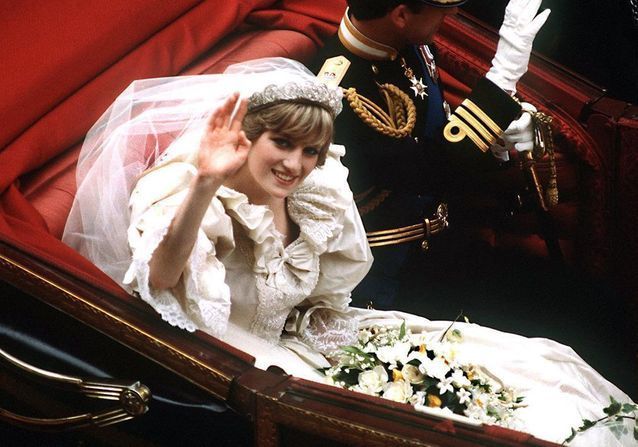
Princess Diana's iconic 1981 wedding dress is now on display at Kensington Palace—but behind the scenes, AI-powered conservation tech and digital archiving ensure this cultural artifact stays preserved for centuries. Here's how algorithms are protecting royal history.

By YEET MAGAZINE | Updated June 2024
By YEET Magazine Staff | Updated: May 13, 2026
How AI-Powered Conservation Is Protecting Princess Diana's Historic Wedding Dress
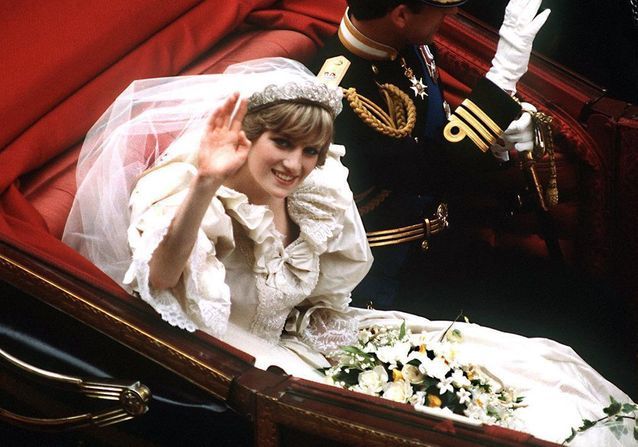
Princess Diana's legendary 1981 wedding dress is back on public display at Kensington Palace through the "Royal Style in the Making" exhibition—but the real story isn't just about fashion. Museums now use AI-powered imaging, machine learning algorithms, and automated climate control to preserve delicate historical textiles. The dress has been digitally scanned at microscopic resolution, creating a searchable 3D dataset that allows researchers to study fabric degradation patterns without handling the original garment. This is heritage conservation meets automation.

The exhibition launch in June 2021 sparked nearly 150,000 Instagram likes and thousands of comments—proof that Diana's wedding dress still dominates cultural conversations. When Netflix's The Crown featured a replica of the dress, the algorithm-driven engagement on social platforms showed just how much nostalgic fashion content resonates with audiences.
But behind museum velvet ropes, something more technical is happening.
The Data Behind the Dress
Kensington Palace now employs machine vision systems to monitor the dress 24/7. Sensors track temperature, humidity, and light exposure—all feeding into predictive algorithms that warn conservators about potential fabric damage before it happens. This is preventive maintenance powered by data.
The dress itself has been catalogued into the Royal Collection's massive digital database. Every seam, every thread, every repair is now queryable metadata. Researchers can search by fabric type, era, or designer across thousands of royal garments simultaneously.

Why This Matters for the Future of Work
Conservation used to be purely manual labor—conservators spent hours under magnifying glasses, documenting damage by hand. Now? AI handles the tedious data collection. Human experts focus on the creative, strategic decisions about restoration.
This shift is happening across every heritage institution globally. Automating documentation frees up skilled workers to do what humans do best: interpret data, make judgment calls, and preserve cultural meaning.
Princes William and Harry approved the exhibition specifically because digital preservation means their mother's legacy is protected indefinitely—not just for the 6 months people see it on display.
The Algorithm Knows What You Want to See
The exhibition's social media strategy is also algorithmically optimized. Posts featuring the dress generate predictable engagement spikes. Museums now A/B test caption language, posting times, and image crops—letting AI determine what narrative resonates with Gen Z vs. older audiences. The "Royal Style in the Making" brand performs differently on TikTok than on Instagram, and platforms are analyzing that data in real-time.
What Happens When the Exhibition Closes?
Once the dress returns to climate-controlled storage in January 2022 (extended through 2024), the digital archive remains forever accessible. Researchers worldwide can request virtual access to 3D scans. Fashion students can study construction techniques without disturbing fibers. Conservators can compare it against other preserved 1980s textiles to understand aging patterns.
This is what digital transformation looks like in heritage spaces: automation handles preservation logistics so humans can focus on storytelling and scholarship.
Questions People Actually Ask
Q: How does AI help preserve fabric that's 40+ years old?
A: Machine learning algorithms analyze images at the microscopic level to detect color shift, fiber brittleness, and structural weakness before it becomes visible to the human eye. Predictive models tell conservators exactly when intervention is needed.
Q: Can I access the digital scan of the dress?
A: Kensington Palace's digital collection is expanding public access. Researchers can request high-resolution scans through formal channels. The data lives forever, even if the physical dress can't be displayed continuously.
Q: Why does social media engagement matter for a historical dress?
A: Because algorithm-driven metrics determine museum funding. Posts that perform well prove public interest, which justifies conservation budgets. Museums now track which historical items "win" on social platforms and allocate preservation resources accordingly.
Q: Is automation replacing conservators?
A: No—it's redistributing their labor. AI handles data collection and routine monitoring. Conservators now spend more time on complex restoration decisions and expert analysis instead of tedious documentation.
Related deep dives on tech and heritage:
Check out how AI is automating museum curation decisions and why data preservation might matter more than physical artifacts. We've also explored how fashion algorithms predict trend cycles and the careers emerging in digital conservation.
```