How AI Predicts Shark Attacks Before They Happen
An AI-powered shark detection system uses real-time ocean data and behavioral algorithms to predict attack risk before swimmers enter the water. This tech could've changed everything at Dee Why Beach.

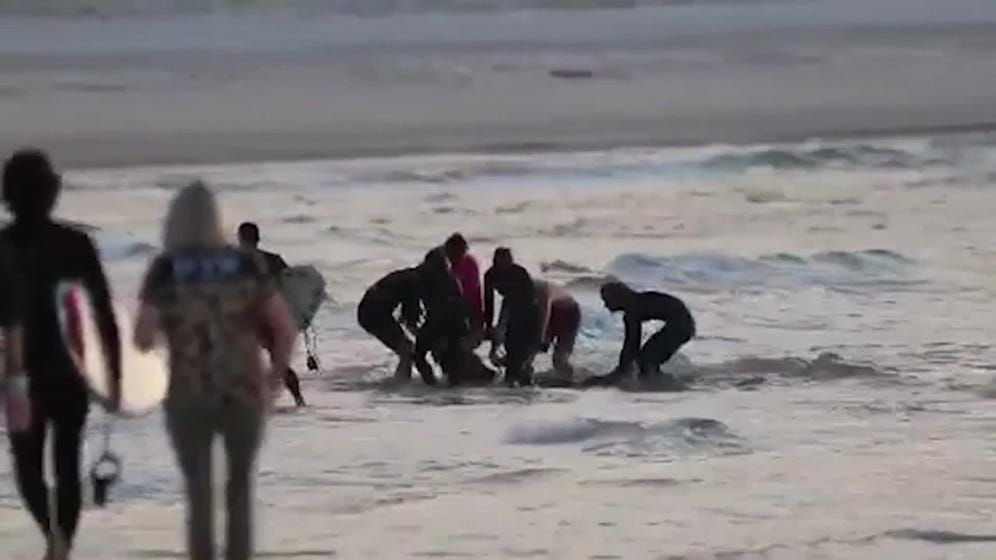
AI algorithms are now being trained to predict shark attacks using ocean temperature, salinity, animal migration patterns, and historical attack data. Machine learning models analyze these datasets to flag high-risk zones and times, alerting swimmers and authorities before tragedy strikes. A fatal shark attack at Dee Why Beach in Sydney sparked renewed interest in automated beach safety systems—technology that could've prevented loss of life through predictive intervention rather than reactive response.
By YEET Magazine Staff | Updated: May 13, 2026
Here's the thing: we have the data. We have the computing power. We just haven't weaponized prevention hard enough yet.
Researchers are now feeding neural networks decades of shark behavior research, ocean conditions, and attack records. The system learns patterns humans miss—like how certain water temperatures attract specific species, or how tidal shifts correlate with aggressive behavior. Real-time sensors feed current conditions into these models, generating risk scores for every monitored beach.
Think of it like weather forecasting, but for predator activity. A few years ago, this would've been sci-fi. Now it's happening across Australia's coastlines.
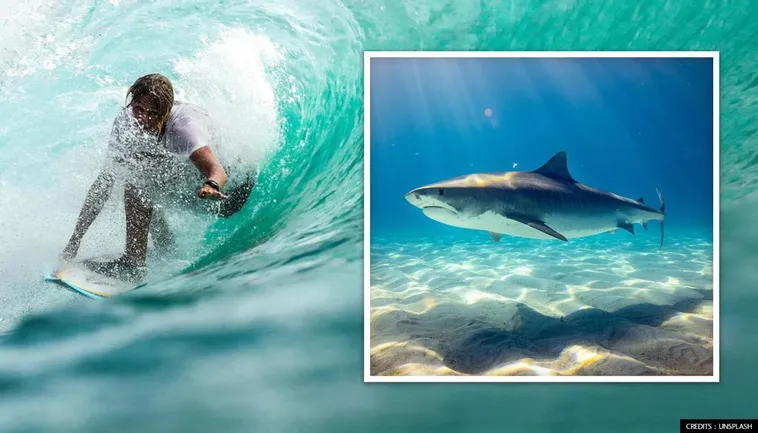
The tech includes drone surveillance with computer vision—algorithms that identify shark fins in real-time video feeds. Automated alerts push to beachgoers' phones the second a potential threat is spotted. Some systems use acoustic monitoring to detect clicks and sounds associated with specific shark species before they're even visible.
SharkSmart, Australia's existing program, is being upgraded with these predictive layers. Instead of just reactive beach closures after an attack, automated systems now flag risk zones 24/7.
Why this matters for the future of work: Ocean safety engineers, data scientists, and AI trainers are now critical roles. Beach management is shifting from human intuition to algorithmic precision. Emergency response times shrink. Liability shifts from "we didn't see it coming" to "our algorithms failed"—which is way harder to defend.
The tragedy at Dee Why and Tuncurry didn't have to happen if prevention tech was already deployed. That's the haunting part. The algorithms exist. The data exists. Implementation lag kills.
Questions everyone asks:
Can AI actually predict shark attacks accurately? Current models hover around 70-85% accuracy, which beats human intuition. But false positives flood beaches with unnecessary closures. The goal is reaching 95%+ before full rollout. Real-world testing is happening now in Queensland and New South Wales.
What data feeds these systems? Ocean temperature, salinity, pH levels, tidal cycles, historical attack locations, time of day, species migration routes, recent sightings, and even social media reports of unusual shark behavior. The more data, the smarter the algorithm gets.
How fast can alerts reach swimmers? Modern systems push notifications in under 30 seconds from detection. Drone-based systems cut that to 10-15 seconds. Automation doesn't sleep—humans do.
Will this put marine biologists out of work? Nope. You still need humans interpreting anomalies, training models, and making final calls. But the job shifts from pure observation to algorithmic supervision. Less reactive firefighting, more proactive strategy.
What about privacy concerns? Drone surveillance and acoustic monitoring of beaches raise questions about who's watching and how data is stored. Australian privacy laws are catching up, but it's a real tension between safety and surveillance.
The future of beach safety isn't about eliminating sharks—it's about eliminating surprise. When algorithms know the risk before swimmers do, that's when lives flip from tragic to saved.
Explore more: Check out why Australia has the best beaches and the tech securing them. Or read about how automation is reshaping emergency response systems globally.
HTML_CONTENTFrequently Asked Questions
Q: How accurate is AI at predicting shark attacks?
A: The technology identifies high-risk zones and times by analyzing ocean temperature, salinity, migration patterns, and historical attack data. While it can flag dangerous conditions with reasonable accuracy, shark behavior remains complex and unpredictable—the system works best as a preventive tool alongside human lifeguards rather than a guarantee.
Q: What data does the AI system use?
A: Machine learning models are trained on decades of shark behavior research, historical attack records, and real-time ocean sensor data including water temperature, salinity levels, and animal migration patterns. Real-time conditions are continuously fed into the system to generate updated risk scores for monitored beaches.
Q: Where is this technology currently being used?
A: Predictive shark attack systems are being deployed across Australia's coastlines, with renewed focus following the fatal attack at Dee Why Beach in Sydney. The technology aims to provide authorities and swimmers with advance warnings to implement preventive measures rather than responding reactively to incidents.