How AI-Designed Smart Backpacks Could Revolutionize Student Life: Kanye's Yeezy Vision
Kanye West just hinted at next-gen Yeezy backpacks built for students—but the real story? These bags could leverage AI design algorithms and predictive analytics to optimize student life. Here's how smart textiles and data-driven product design are reshaping campus gear.


Kanye West's upcoming Yeezy collection hints at something bigger than fashion: AI-optimized product design for student life. The rapper recently teased multi-functional backpacks and shoulder bags engineered for campus scenarios. But in 2024, "futuristic" means algorithmic. These bags could integrate smart textiles, wear-pattern data, and machine learning to adapt to how students actually use them—turning everyday gear into data-collection devices that personalize comfort and function.
By YEET Magazine Staff | Updated: May 13, 2026
In a TikTok post, West demonstrated the square pouch-like bag's versatility: students can sit on it, carry it, or reconfigure it. That's the pitch. The real innovation angle? Product teams likely used AI to analyze thousands of student movement patterns, weight distributions, and usage data to engineer these exact scenarios. Automated design optimization beats guesswork.
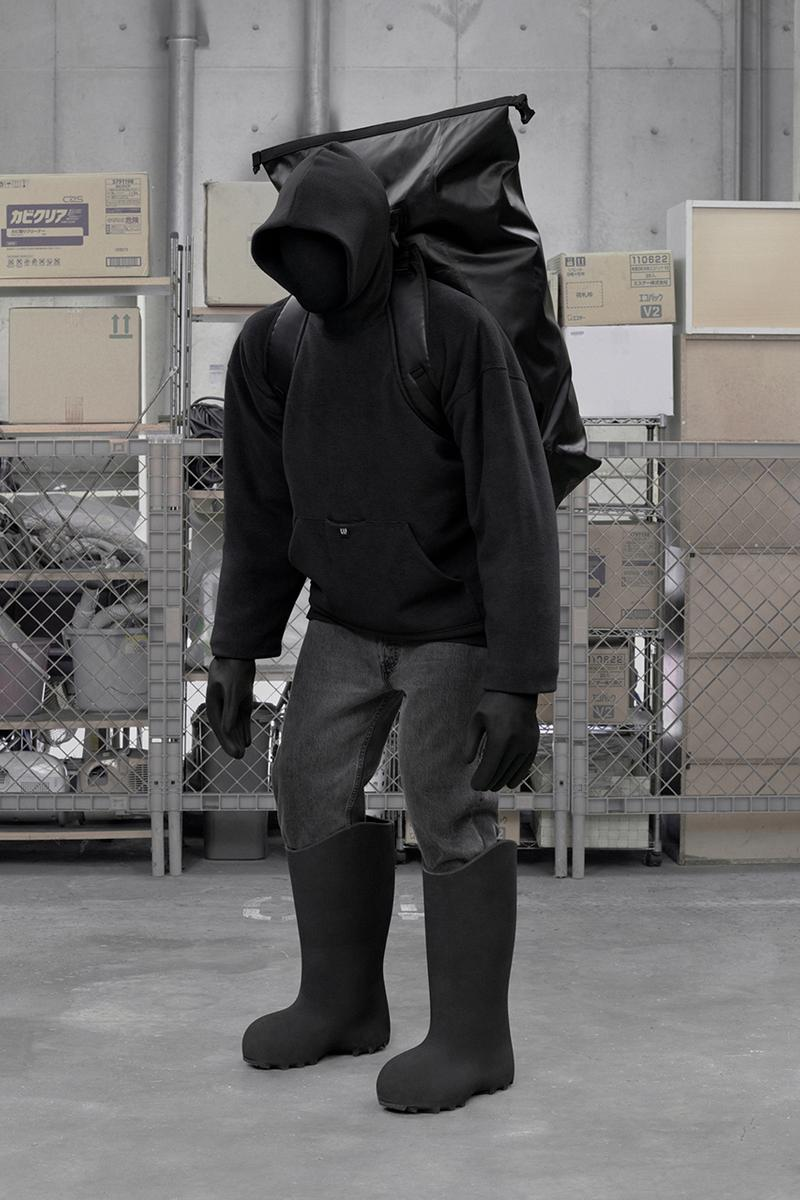
@ye LAST WEEK
♬ original sound - Ye
Why this matters for students: Smart product design isn't just about aesthetics. When fashion brands use data and automation to engineer campus gear, they're literally preparing students for a future where your tools adapt to your behavior—not the other way around. That's the actual innovation.
The backpack becomes a blueprint. Algorithm-driven ergonomics. Predictive material science. Bags designed by ML models trained on thousands of student use cases. It's what happens when luxury meets efficiency—and students get smarter gear because of it.
What could be next? Embedded sensors that track wear patterns. Automated supply chain adjustments based on demand forecasting. Personalized recommendations generated by AI analyzing how *your* campus uses the bag differently than others. The product doesn't stop evolving after you buy it.
West's vision? Multifunctional bags for student life. The tech reality? Those bags are probably scanning, learning, and optimizing in real-time. That's the future students should care about—gear that works as hard as you do.
The bigger picture: Fashion tech colliding with education tech. Brands that understand automation win. Students who recognize this pattern gain a competitive edge in careers where human-AI collaboration is the baseline.
Common questions about smart student gear and AI design:
Q: Can backpacks actually use AI?
A: Absolutely. Pressure sensors, fabric monitoring, and connected textiles already exist. Yeezy's engineering could integrate IoT tech that feeds data back to apps—helping students optimize their load, posture, and efficiency. The algorithm learns from aggregate data and makes personalized suggestions.
Q: How does machine learning improve bag design?
A: Instead of prototyping 50 variations manually, designers feed wear-data, biomechanical studies, and user feedback into ML models. The algorithm predicts optimal weight distribution, material thickness, and pocket placement. It's faster, cheaper, and more accurate than traditional design methods.
Q: Is this just marketing hype?
A: Partially. But the underlying trend is real. Every major brand now uses data analytics and automation for product development. Yeezy's teaser just makes it visible. Smart textiles are already in athletic wear, footwear, and accessories—campus gear is the obvious next frontier.
Q: What data would these bags collect?
A: Weight patterns, movement data, usage frequency, environmental factors. The algorithm could alert you when your bag's unbalanced, predict when seams might fail, or recommend packing strategies. Privacy concerns? Yeah—that's the trade-off for personalization.
Q: How does this prepare students for future jobs?
A: It normalizes algorithmic optimization in everyday life. Students who understand that their gear is data-driven will naturally adapt to workplaces where AI guides decisions, processes, and workflows. You're not just carrying a bag—you're learning to collaborate with systems that improve based on your behavior.
Related reading:
Check out how wearable tech is reshaping campus culture. Or dive into EdTech innovations transforming student life. Want to understand the bigger trend? See how automation is preparing the next generation for AI-driven careers.