How AI-Powered Audio Algorithms Are Making $949 Smart Headphones the Future of Work
Dyson's $949 Zone headphones aren't just fancy ear cups—they're AI-powered devices running real-time audio algorithms and environmental data processing. Here's how machine learning is automating sound quality and reshaping workplace audio tech.

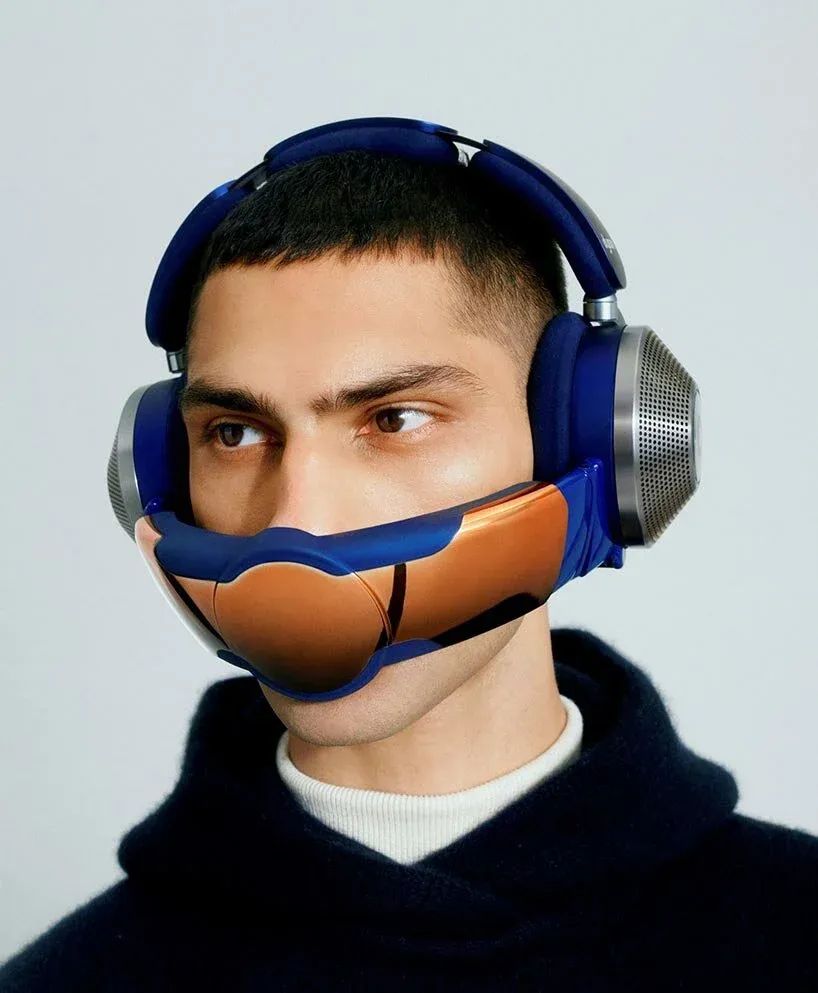
Dyson Zone headphones launching March 2024 for $949 represent a shift toward AI-driven audio automation. Built-in machine learning algorithms continuously analyze ambient noise, adjust noise cancellation in real-time, and process air quality data—all without user input. These aren't dumb headphones; they're wearable computers that learn your environment and adapt automatically.
By YEET Magazine Staff | Updated: May 13, 2026
The real tech story here? Dyson packed two separate AI systems into these ear cups. One handles adaptive noise cancellation via neural networks—meaning the algorithms get smarter the more you wear them. The other monitors air quality and automatically adjusts purification power based on environmental data algorithms detect in real-time.
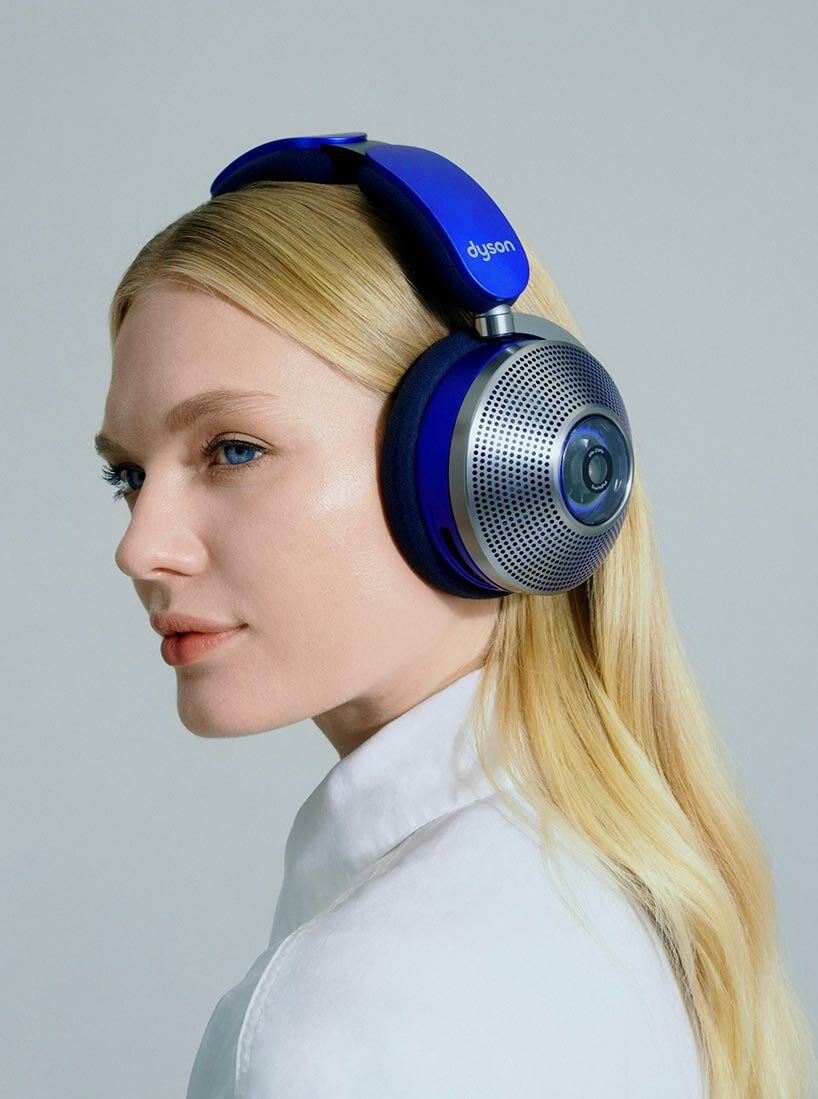
Why this matters for remote work: As offices reopen and hybrid work dominates, audio quality automation is becoming a productivity metric. Employees using AI-optimized headphones experience fewer distractions, better call clarity, and reduced ambient noise interference—all handled by algorithms, not manual EQ tweaking.
The 50-hour battery claim? That's powered by efficient audio processing algorithms that compress data without losing fidelity. Dyson's edge detection and spectral analysis tech runs continuously, feeding power-saving decisions back to the battery management system in real-time.
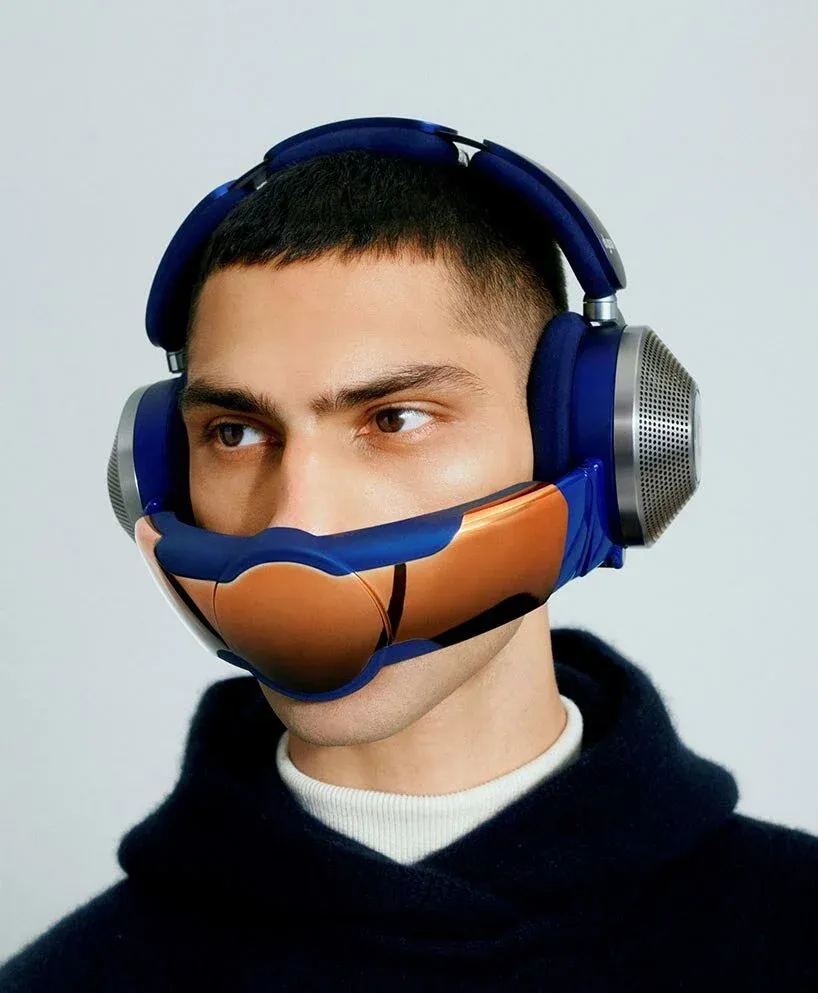
The air purification angle: This is where automation gets interesting. Dyson's headphones include sensors that feed environmental data to algorithms determining when purification intensity should spike. Pollution spikes? The algorithm detects and responds faster than human awareness ever could. It's air quality automation you wear.
Price point reality check: $949 is steep, but you're paying for three separate tech stacks—Bluetooth audio processing, noise cancellation ML models, and air quality sensor automation. Dyson essentially built three smart devices and fused them together.
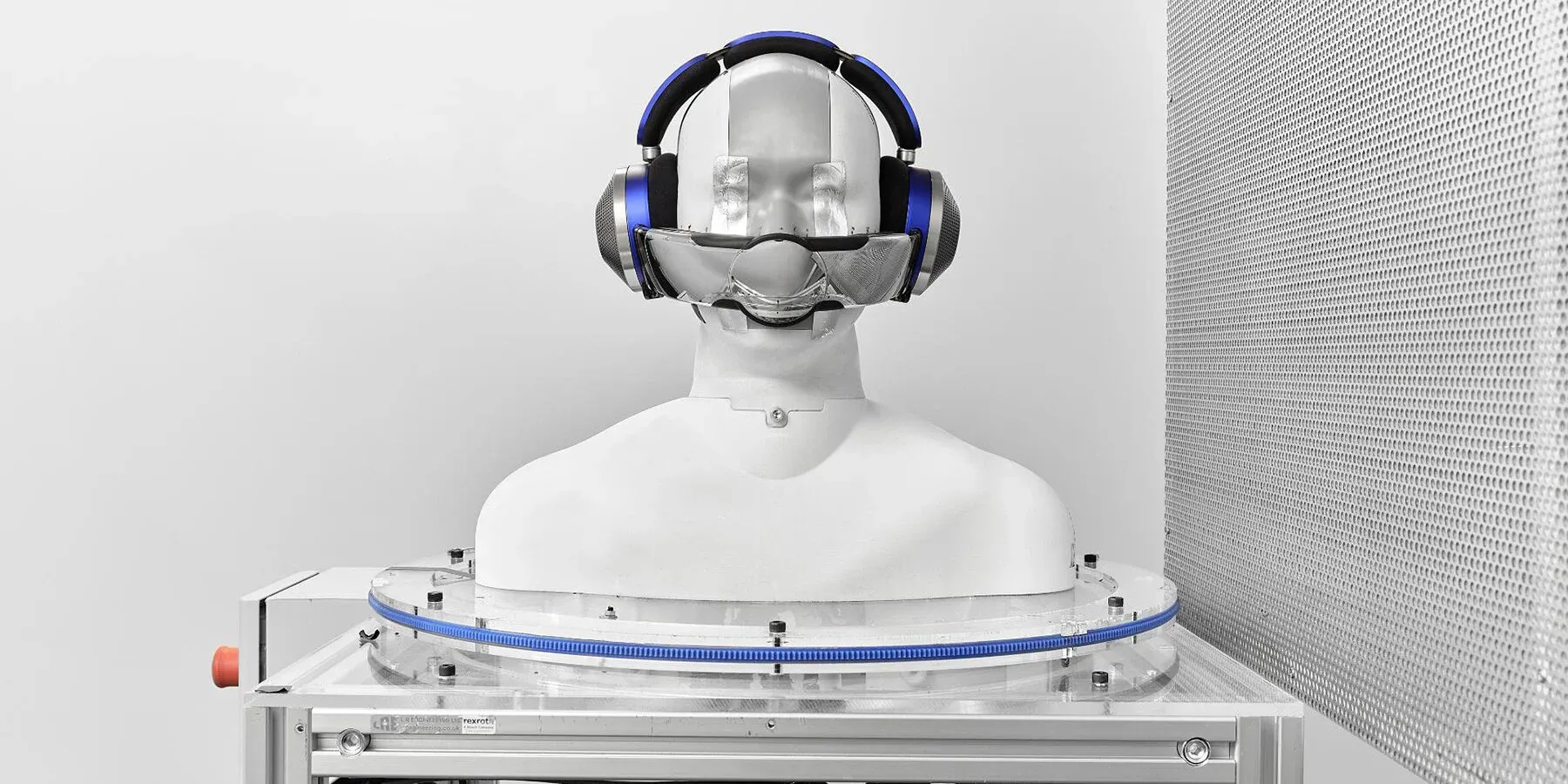
What does this tell us about wearable tech future? Every premium headphone now bundles AI. Bose, Sony, Apple—they're all racing to embed machine learning into audio processing. Dyson just went harder by adding environmental sensors. Expect this trend to accelerate. Within five years, "dumb" headphones without adaptive algorithms will feel ancient.
Q: Will AI headphones replace traditional noise-canceling?
Already happening. Passive noise cancellation (foam + design) is becoming a baseline feature. The premium market now demands active AI systems that learn your preferences and environment. Dyson Zone just proved you can charge premium prices for automation.
Q: How much processing power runs inside these headphones?
Enough to run real-time neural networks on battery. Dyson likely embedded a dedicated audio DSP chip—probably ARM-based—running proprietary noise cancellation models locally (not cloud-based). Local processing means zero latency and zero privacy concerns. The chip handles sensor fusion from multiple mics and air quality sensors simultaneously.
Q: Can these headphones collect user data?
Potentially. Air quality sensors + location data could be anonymized and fed back to Dyson for environmental mapping. Whether they do is a different question. Check privacy settings at launch. Any wearable with sensors and connectivity is a data collection vector. Worth knowing what you're signing up for.
Q: Are $949 AI headphones worth it for remote workers?
Depends on your call volume and environment. If you're in a loud space doing 6+ hours of video calls daily, audio quality automation saves cognitive load. If you work in silence and rarely call? Save your money. The AI angle matters most if it directly improves your work output.
The bigger picture: Dyson Zone is a flex—proof that AI-powered wearables