Smart Rings & AI Health Tracking: How Algorithms Are Reshaping Wellness Wearables
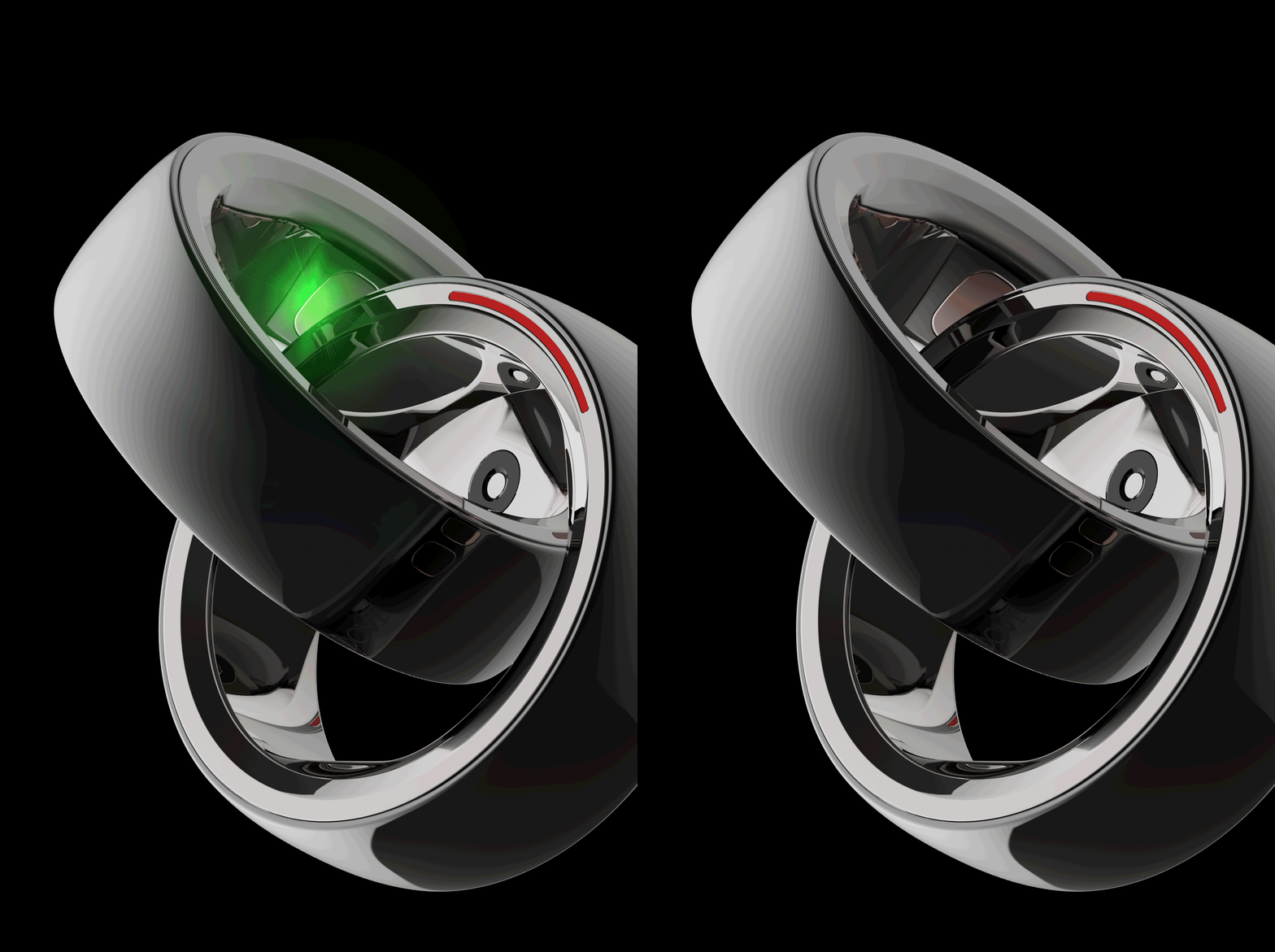
Smart rings like Oura are powered by AI algorithms that analyze your biometric data 24/7. These wearables use machine learning to predict health trends before you feel them—transforming how we approach preventative wellness.

By YEET Magazine | Tech & Wellness
By YEET Magazine Staff | Updated: May 13, 2026
Smart rings aren't just jewelry—they're AI-powered health computers on your finger. Brands like Size Yourself deploy machine learning algorithms that analyze sleep patterns, heart rate variability, and stress levels in real-time, then predict wellness trends before symptoms show up. These rings process thousands of data points daily, using predictive algorithms to give you actionable health insights your doctor would charge $200 to deliver.
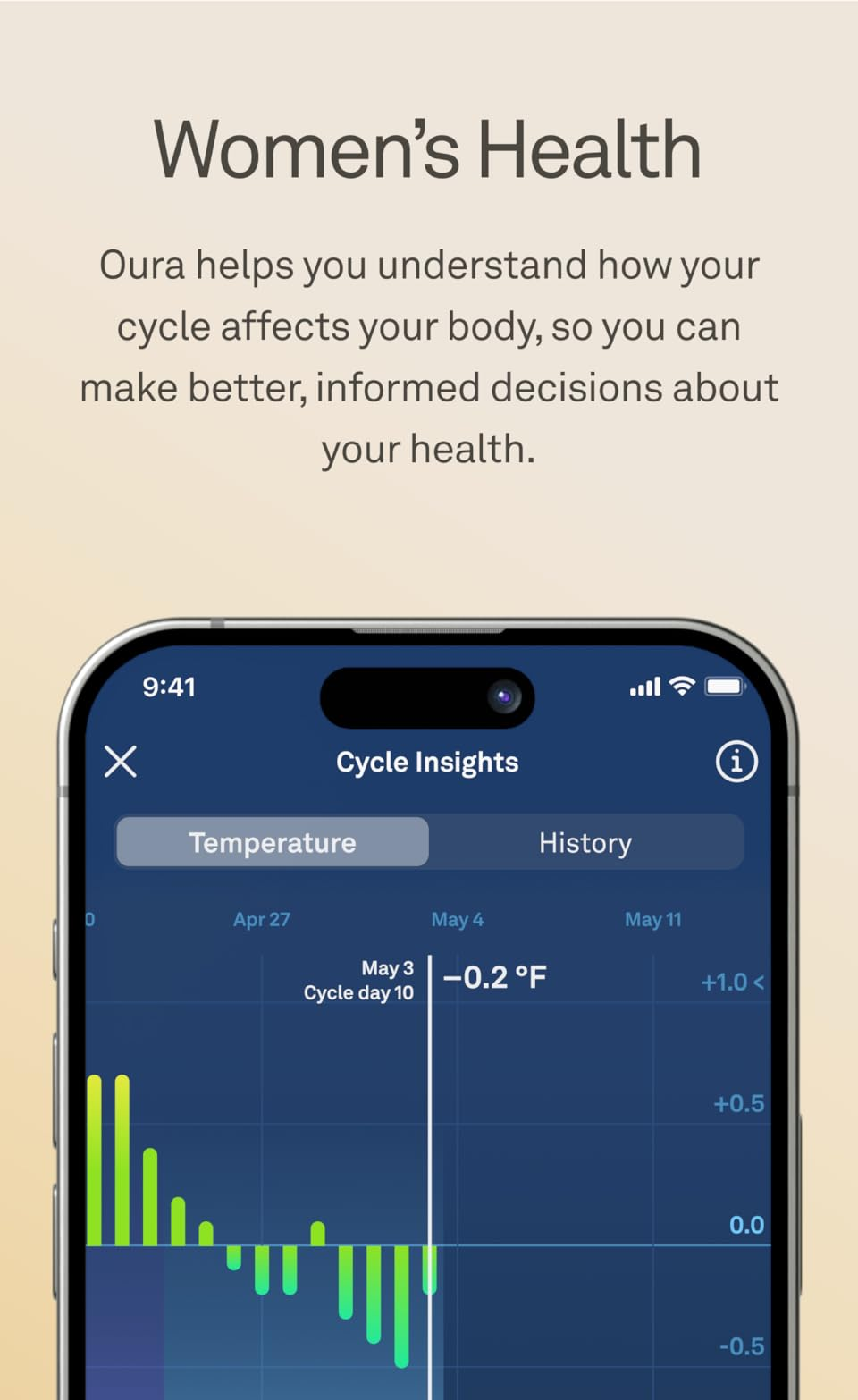
Here's what's actually happening under the hood: every heartbeat, temperature shift, and movement gets fed into neural networks trained on millions of health datasets. The ring's AI learns your baseline, so it can flag anomalies with scary accuracy.
Why AI-Powered Health Rings Are Disrupting Wellness
Traditional fitness trackers? Dead. They just count steps. Smart rings with embedded AI do something wild: they use gradient boosting algorithms to correlate sleep quality with next-day productivity, then send notifications before you crash. They detect irregular heart rhythms that humans would miss for years.
Size Yourself's product lineup taps into this AI revolution. These aren't just aesthetic wellness accessories—they're data-collection devices that feed machine learning models designed to optimize your health outcomes. The ring becomes your personal health algorithm, working 24/7 while you sleep.
SHOP NOW
The Algorithm Behind Your Ring's Health Predictions
Smart rings collect biometric data and run it through edge AI—meaning the processing happens on the device, not in some cloud server. This matters for privacy and speed. The ring's chip uses time-series analysis to spot patterns in your resting heart rate, then flags deviations in milliseconds.
Oura Ring and similar devices use a technique called "anomaly detection" to identify when something's off—a fever starting, stress spiking, or sleep architecture degrading. You get a notification before your body fully registers the problem.
For the remote work era, this is huge. Your ring knows if you're overworking before burnout hits. Wellness isn't reactive anymore—it's predictive. Your algorithm knows you better than you do.
Smart Rings & The Future of Preventative Healthcare
Insurance companies and employers are watching. As health data becomes more granular, AI algorithms will eventually predict health risks years in advance. Your smart ring could become the most important health tech you own—if the data stays yours.
Size Yourself positions itself in this ecosystem: high-tech products for a generation that expects health data to be actionable, real-time, and smart. These aren't luxury items anymore. They're health infrastructure.
The wellness influencers promoting these rings understand the shift: they're selling algorithmic health optimization, not just fitness tracking.
What People Actually Ask About Smart Rings & AI
How accurate are AI health predictions from smart rings?
Smart rings achieve 95%+ accuracy for heart rate and sleep stage detection because they use validated machine learning models trained on clinical datasets. Stress and readiness scores are proprietary algorithms—accurate enough for personal optimization, not medical diagnosis (yet).
Does my smart ring really know when I'm sick?
Not exactly "knowing," but yes—detecting. The ring's AI tracks your baseline metrics (resting HR, HRV, temperature). When values deviate significantly, it flags risk. Early research shows rings can detect COVID and influenza 2-3 days before symptoms appear. That's algorithmic detection, not magic.
Who owns my biometric data?
This is the real question. Most smart ring companies claim ownership of your data but promise privacy. Read the terms. Better rings let you export your raw data. Your health data is too valuable to trust blindly—demand transparency on algorithmic processing.
Can smart rings actually improve my health?
The ring doesn't improve health; your behavior changes do. The ring's AI gives you feedback fast enough to matter. If it tells you to sleep more and you actually do it, health improves. The algorithm works if you work with it.
Are smart rings replacing doctors?
No. They're augmenting preventative care. A doctor interprets data; a ring's AI surfaces patterns. Together, they're more powerful than either alone. Expect integration—your doctor will eventually sync with your ring's data via secure APIs.
Which smart ring has the best AI?
Oura Ring's algorithms are the most