How AI Could Solve Airplane Window Wars: Automated Seat Conflict Resolution
That viral window seat fight? It's the exact problem AI is solving right now. Airlines are testing algorithms and smart seat systems to automatically manage window shade disputes before they escalate into social media drama.

That viral window seat argument? Airlines are already automating the hell out of it. Smart seat technology and conflict-resolution algorithms are being tested to prevent passenger disputes before they happen. Here's the thing: airlines collect massive datasets on passenger behavior, complaints, and seating patterns. AI systems analyze this data to predict conflicts and either auto-adjust windows on a schedule, assign seats more intelligently, or alert crew members before tension builds. Some carriers are even piloting seat dividers and automated shade systems that operate on pre-set schedules. Basically, human drama is getting replaced by machine learning.
By YEET Magazine Staff | Updated: May 13, 2026
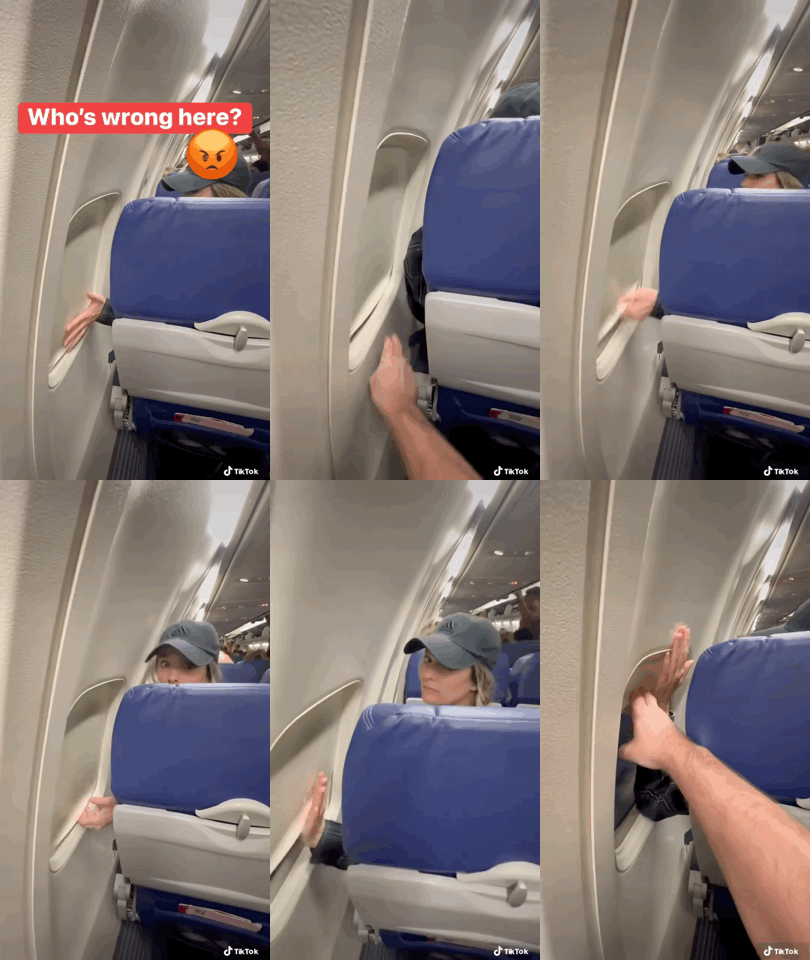
The original conflict was pretty simple: one passenger paid for the window seat and wanted it open. The other passenger wanted it closed. Neither had a legitimate claim over the window's final state. But what if an algorithm just handled it? That's what's happening now.
The Data Behind Window Wars
Airlines are collecting complaint data at scale. When passengers report discomfort—light sensitivity, sleep disruption, temperature issues—those complaints feed into predictive models. Machine learning systems now flag high-risk seat combinations. If data shows that certain passengers frequently clash over window control, AI recommends seat reassignments before boarding.
Some airlines are testing automated shade systems that operate on flight schedules. Windows gradually dim during sleeping hours. Lights adjust for meal service. No human decision needed. No argument necessary.
How Algorithms Prevent Conflict
Modern seat assignment algorithms don't just look at availability. They factor in passenger profiles, past complaints, accessibility needs, and behavioral patterns. If you've previously reported light sensitivity, the system learns that. If someone consistently pays for window seats to watch the view, the algorithm respects that preference.
Real-time monitoring systems also flag escalating tensions. Crew management apps alert flight attendants to potential conflicts before they blow up on camera and go viral on TikTok.
The Automation Angle
This is the future of passenger experience: remove human decision-making from routine conflicts. Let algorithms handle the tedious stuff. Window shade position, seat assignments, even noise complaints—these are becoming automated workflows.
Airlines save money by reducing crew intervention. Passengers avoid awkward confrontations. Everyone wins except people who actually enjoy the drama.
Some airlines are testing AI-powered chatbots that let passengers set preferences before flight. Others use biometric data and sensor arrays to monitor cabin comfort and adjust shades without asking permission. It's paternalistic, sure, but it works.
The Real Problem: Data Privacy
Here's where it gets messy. Collecting behavioral data to prevent window disputes means airlines are building detailed profiles of how you act under stress, what bothers you, and your comfort preferences. That data is valuable. Insurance companies want it. Advertisers want it. Once airlines know you get cranky when the sun's in your eyes, they know how to sell you things.
That viral video? It's not just entertainment. It's training data for the next generation of conflict-prediction models.
What Airlines Are Actually Testing
Automated Shade Systems: Electronically controlled windows on schedules. Some airlines like Boeing's latest 787 versions already have this.
Predictive Seat Assignment AI: Algorithms that pair compatible passengers and avoid known conflict combinations.
Biometric Monitoring: Sensors detect passenger comfort levels and automatically adjust cabin conditions.
Crew Alert Systems: Real-time dashboards notify flight attendants of brewing conflicts so they can intervene early.
Will Automation Kill Window Seat Drama?
Probably not completely. There will always be people who argue. But the incidents will decrease. Airlines will move from reactive conflict management (breaking up fights) to predictive conflict prevention (never letting them start).
The side effect? Less human autonomy. Your window preference becomes part of an algorithm's decision tree. Your comfort data gets quantified, stored, and analyzed. You get a smoother flight experience but lose a tiny bit of control.
That's the trade-off with automation. Convenience always costs something.
Curious about the backstory?
That original window seat war happened because airlines haven't standardized etiquette rules. No clear policy exists about window shade control. So passengers assume ownership based on seat purchase price. AI solves this by removing humans from the decision entirely.
What about crew training?
Flight attendants are increasingly becoming monitor operators rather than conflict mediators. Instead of de-escalating arguments, they're monitoring dashboards and letting algorithms handle the work.
Is this technology already in use?
Yes. Boeing's 787 Dreamliner has electronic window shades on schedules. Several Middle Eastern and Asian carriers are testing predictive seat assignment. Most major airlines are collecting behavioral data for this purpose.
Can passengers opt out of automated systems?
Usually no. Once you book through an airline's system, you're already feeding their data model.
What happens to the conflict data?
It gets anonymized, aggregated, and fed into the next round of algorithm improvements. Your window shade war becomes a data point in someone else's smoother flight experience.
Related reading: Check out how AI is automating customer service complaints in the hospitality industry or explore how predictive algorithms prevent workplace conflicts. We've also covered the ethics of behavioral data collection in travel tech.
HTML_CONTENT