How AI-Driven Supply Chains Power Daniel Boulud's Global Culinary Empire
Daniel Boulud built a global restaurant empire spanning 10+ locations across continents. Behind that expansion? Smart automation, predictive analytics, and algorithmic inventory management that most fine dining doesn't talk about.

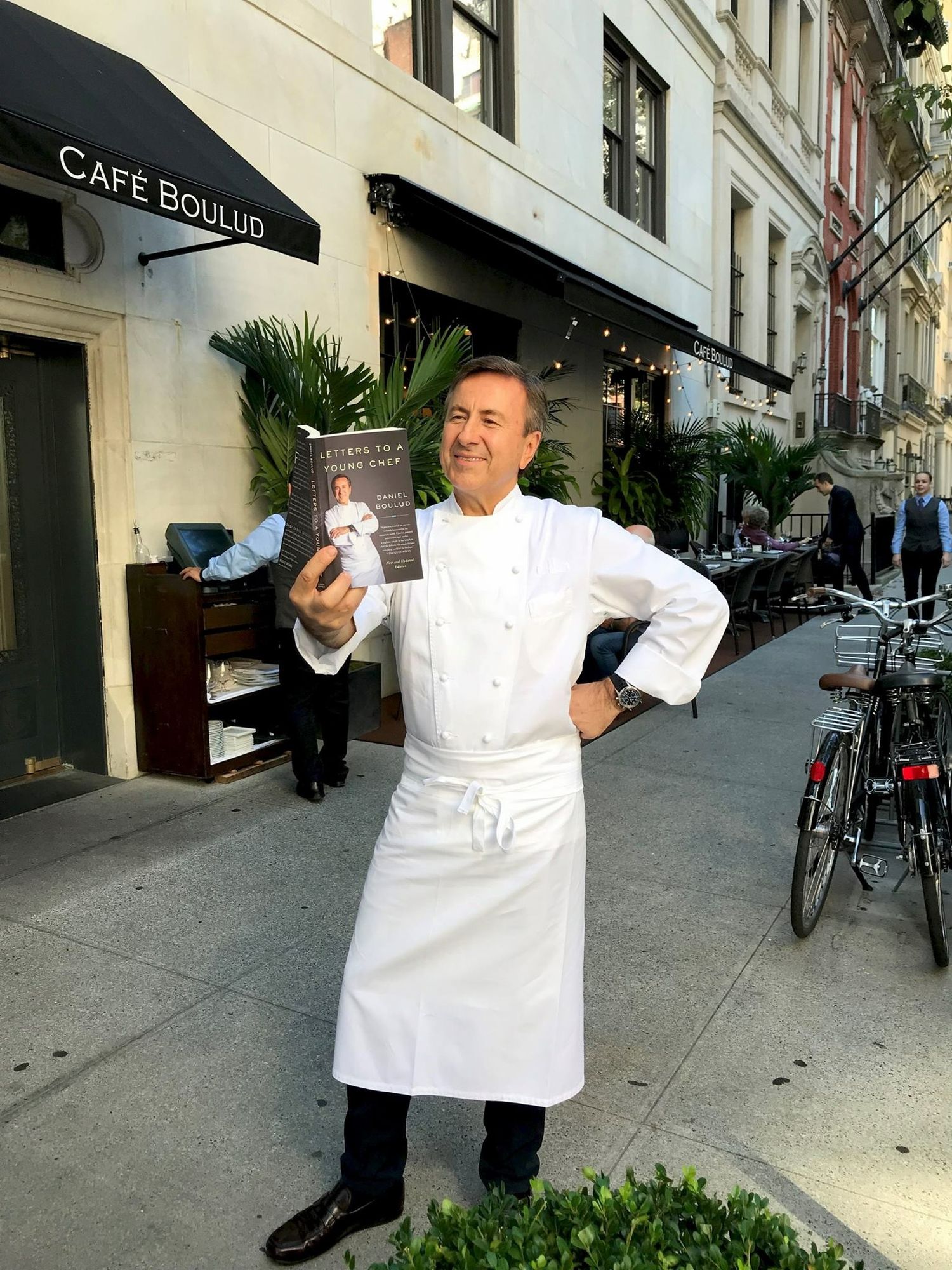
Daniel Boulud didn't just scale a restaurant empire through French technique alone—he leveraged data-driven operations and algorithmic logistics to maintain consistency across New York, London, Toronto, Montreal, and Singapore. Since 1982, his restaurants have quietly adopted supply chain automation, predictive ordering systems, and quality-control algorithms that keep seasonal menus aligned with ingredient availability and market trends. That's how you run a Michelin-starred flagship while operating five satellite locations without losing your soul.
By YEET Magazine Staff | Updated: May 13, 2026
Most people think fine dining is pure craft. It's not anymore. It's craft plus infrastructure.
Boulud's signature restaurants—from the flagship Daniel to Bar Boulud to Épicerie Boulud—operate on a network of automated ordering systems that predict demand based on reservation data, historical sales, and seasonal patterns. When you're sourcing terrines, pâtés, and house-made charcuterie across multiple continents, guessing doesn't work. Algorithms do.
The Épicerie model at three Manhattan locations (Lincoln Center, Plaza Hotel, World Trade Center Oculus) is a masterclass in location-based automation. Each outpost uses real-time foot traffic data, point-of-sale integration, and inventory management software to stock fresh bread, viennoiserie, and rotating plats du jour without waste. That's algorithmic freshness.
Bar Boulud in London's Mandarin Oriental takes it further. The wine list (heavy on Burgundy and Rhône Valley selections) is curated and managed through sommelier databases linked to supplier networks. The interiors feature a sleek open kitchen—designed partly for Instagram appeal, but more importantly, optimized for kitchen workflow automation that keeps ticket times consistent across locations.
What most food media misses: scaling a culinary vision globally requires treating restaurants like data systems. Boulud's team likely uses:
- Predictive demand forecasting to align seasonal menus with ingredient procurement
- Automated inventory tracking across multiple locations to reduce spoilage and cost
- Reservation and table management algorithms that optimize seating, labor scheduling, and kitchen prep
- Quality control dashboards ensuring consistency from Manhattan to Singapore
This is the future of luxury hospitality: human creativity + machine precision.
His charitable work through Citymeals-on-Wheels for 25+ years also demonstrates data-driven impact. Feeding homebound elderly across NYC requires logistics optimization—route planning algorithms, meal allocation systems, and volunteer scheduling software that maximize reach per dollar spent.
The takeaway: You can't build a global restaurant empire in 2024 on tradition alone. You need automation, data analytics, and algorithms running silently in the background while you focus on what humans do best—creating food that matters.
People also ask:
How do top restaurants use AI to maintain quality across locations?
Michelin-starred restaurants deploy point-of-sale systems, kitchen display systems (KDS), and supply chain management software to standardize recipes, cooking times, and plating across all locations. Some use computer vision to audit plate presentation against brand standards.
What's the role of data in fine dining menus?
Seasonal menus aren't just culinary decisions—they're informed by supplier data, historical sales patterns, ingredient cost forecasting, and customer preference analytics. Algorithms help chefs decide what to feature based on availability and profitability.
Can automation replace chef expertise?
No. Automation handles logistics, consistency, and scaling. The chef's judgment—flavor profiles, innovation, technique—remains irreplaceable. AI is a sous chef, not a replacement.
How do restaurants optimize labor with algorithms?
Demand forecasting tools predict staffing needs based on reservation data, weather, and historical traffic. Scheduling software assigns prep cooks, line cooks, and servers to minimize labor costs while maintaining service quality.
Related reading:
How Kitchen Scheduling Algorithms Are Reshaping Restaurant Labor
AI Supply Chains: Why Restaurants Are Betting on Automation
The Rise of Data-Driven Fine Dining Operations
Frequently Asked Questions
Q: How does Daniel Boulud maintain consistency across restaurants in different countries?
A: Through AI-driven supply chain automation and predictive ordering systems. Data-driven logistics, quality-control algorithms, and algorithmic inventory management ensure that seasonal menus stay aligned with ingredient availability and market trends across all locations, from New York to Singapore.
Q: What technology powers Boulud's restaurants?
A: Automated ordering systems that predict demand using reservation data, historical sales, and seasonal patterns. These systems are paired with real-time point-of-sale integration, foot traffic analytics, and inventory management software—essential when sourcing specialty items like terrines, pâtés, and house-made charcuterie across multiple continents.
Q: How do the Épicerie Boulud locations in Manhattan stay stocked efficiently?
A: Each of the three Manhattan locations (Lincoln Center, Plaza Hotel, and World Trade Center Oculus) uses location-based automation that combines real-time foot traffic data with point-of-sale integration and inventory management software to optimize stock levels for fresh products like bread and prepared foods.