
AI That Can Rewrite Its Own Code: Why Startups Are Building Self-Improving AI
Startups are developing artificial intelligence that can modify and improve its own code. Here's why self-improving AI is attracting attention and what it could mean for the future of software development.

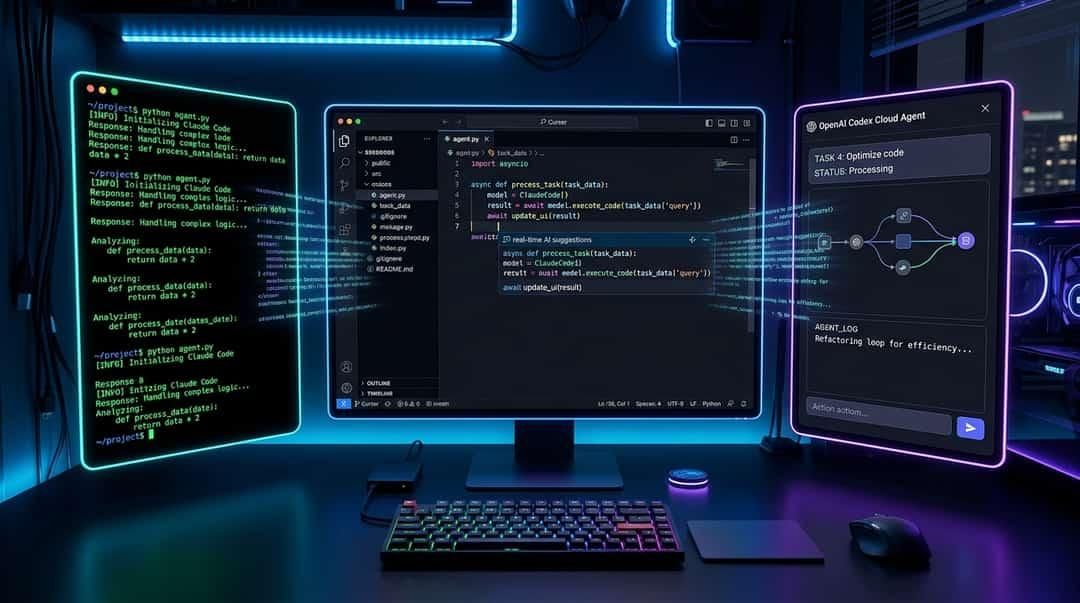
Why Are Startups Building AI That Can Rewrite Its Own Code?
A new wave of startups is developing AI systems capable of modifying their own code. The technology is still early but is attracting significant investment and regulatory attention. Self-improving AI, recursive AI, AI that rewrites its own code, AI safety concerns — these are the searches everyone is making. Here’s everything you need to know about why startups are building self-improving AI and what it means for the future. For more technology updates, stay tuned to YEET Magazine’s coverage.
AI Safety and Future of AI Books
Explore books on artificial intelligence, AI alignment, and the risks of self-improving systems.
Shop AI Books →What Is Self-Improving AI?
What is self-improving AI? These systems use feedback loops to identify weaknesses in their own code and generate improved versions of themselves. Why are startups building AI that can rewrite its own code? The potential upside is massive — an AI that can continuously upgrade its capabilities could accelerate progress far beyond human engineering cycles. Can AI rewrite its own code? Early prototypes already demonstrate limited versions of this ability. Is self-improving AI dangerous? Many researchers and safety experts warn that systems capable of recursive self-improvement raise serious control and alignment questions.
The technology remains experimental, but the amount of capital flowing into the space has grown rapidly in 2026. Why is self-improving AI trending? Both the technical promise and the safety concerns are driving intense public and investor interest.
For more AI coverage, check out Is the AI Chip Shortage About to Get Worse in 2027? and Why Are Companies Testing AI Managers?.
How the Technology Works
These systems typically operate in a closed loop: the AI evaluates its performance, identifies bottlenecks or errors, proposes code changes, tests those changes, and integrates successful improvements. How does self-improving AI work? The process is still heavily supervised in most current projects, but the long-term goal for some teams is greater autonomy.
Who is building self-improving AI? A mix of well-funded startups and research labs are exploring different approaches. When will self-improving AI arrive in practical form? Most experts say reliable, controllable versions are still years away, though limited demonstrations already exist.
AI Alignment and Safety Books
Explore books on the challenges of controlling advanced AI systems.
Shop AI Safety Books →The Safety Debate
Is self-improving AI dangerous? Critics argue that once a system can improve itself without human oversight, it becomes much harder to guarantee it remains aligned with human goals. Supporters say careful design and staged development can keep the process safe. The debate is now central to discussions about the future of AI regulation.
More Technology and AI Books
Explore our full selection of books on artificial intelligence and emerging technology.
Shop All Tech Books →FAQ: Self-Improving AI
Q: What is self-improving AI?
A: Self-improving AI refers to systems that can modify their own code to enhance performance using feedback loops.
Q: Why are startups building it?
A: The potential for rapid capability gains is attracting significant investment, even as safety questions remain unresolved.
Q: Is self-improving AI dangerous?
A: Many researchers warn that systems capable of recursive self-improvement raise serious control and alignment challenges.
More AI and Technology Books
Explore our full selection of books on AI, safety, and emerging technology.
Shop All Books →