How AI-Powered Threat Detection is Reshaping Executive Security (The Coinbase Case)
Coinbase CEO Brian Armstrong dropped $1.78M on personal security in 2020—but the real story isn't the price tag. It's how modern threat detection systems, powered by AI and predictive algorithms, are becoming standard business expenses for tech leaders navigating high-stakes crypto markets.

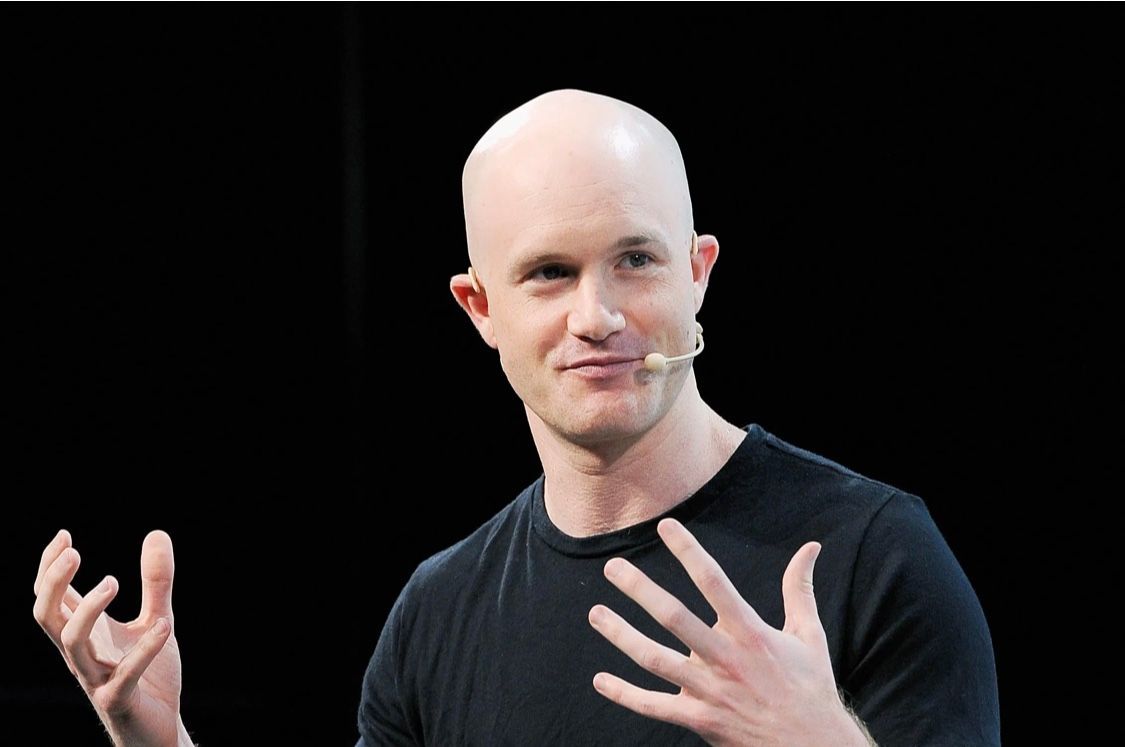
Brian Armstrong's $1.78 million security expense in FY2020 signals a broader trend: AI-powered threat detection and automated surveillance systems are becoming essential overhead for high-profile tech executives. When volatile markets meet algorithmic risk assessment, personal security shifts from bodyguards to data-driven threat prevention.
By YEET Magazine Staff | Updated: May 13, 2026
Armstrong, Coinbase's founder, pocketed nearly $60 million total compensation during his company's IPO prep—but that security line item tells the real story about how tech leaders operate today.

The Security-Automation Connection
Traditional bodyguards are expensive but dumb. Modern threat systems? They're algorithmic. Coinbase justified Armstrong's $1.78M bill as "reasonable business expenses due to a bona fide business-oriented security concern"—which is corporate speak for: we've run the data and this guy's a target.
In the crypto world, where market moves trigger real-world violence and digital threats cascade into physical ones, predictive threat modeling isn't paranoia. It's math.
Armstrong was the only Coinbase employee with this arrangement, suggesting either he's special (he is—he founded the company) or security automation budgets are stratified by algorithmic risk scoring.
The Bigger Picture: Executive Risk as a Data Problem
What's wild is that $1.78M likely covered more than hired muscle. Modern executive protection includes:
Real-time threat monitoring software that scans dark web chatter, social media sentiment, and market volatility correlations. Machine learning models that flag unusual network activity targeting the executive's digital infrastructure. Predictive analytics that identify timing windows when threats spike (post-earnings volatility, regulatory announcements, etc.).
This is automation at the personal level—outsourcing vigilance to algorithms.
Context: Armstrong's Pay vs. The Competition
His $60M total comp beats Jamie Dimon ($31.5M) and Tim Cook ($14.7M) combined. Most came from stock awards ($56.6M), but that security expense? That's recurring operational cost.
Chief Product Officer Surojit Chatterjee took $15.8M and Chief Legal Officer Paul Grewal got $18M—neither with security line items. Armstrong's risk profile was unique.
Why This Matters for the Future of Work
As executives operate in increasingly hostile digital and physical environments, threat assessment will become automated and algorithmic. We're seeing the early stages where personal security budgets scale with data-driven risk scoring, not just job titles.
The future: executives will have automated threat dashboards. Real-time risk adjustments. Algorithmic decisions about where they travel, when they post publicly, even which buildings are safe.
What People Actually Ask
Q: Is $1.78M reasonable for personal security?
A: In crypto? Yeah. Armstrong founded a company that processes billions in assets and operates in regulatory gray zones. When your company's valuation can swing 40% on a Tuesday, threat vectors multiply. The math checks out.
Q: Could AI have predicted this security concern?
A: Almost certainly. Predictive models analyzing Armstrong's public profile, Coinbase's market position, and historical threat patterns against similar executives would flag him as high-risk. The $1.78M probably reflected that analysis.
Q: Are other tech CEOs doing this secretly?
A: Probably. Armstrong's expense is visible because Coinbase filed an S-1. Private company execs? Their security budgets stay invisible. Public filings are where we glimpse how much tech leaders actually spend on automation and threat management.
Q: What's the difference between security automation and surveillance?
A: Intent and consent. Armstrong consented to algorithmic threat monitoring as part of his security system. That's automation. Surveillance is the same tech applied without consent. The line blurs fast in practice.
Related Reading
Interested in how automation reshapes executive decision-making? Check out our piece on how AI-driven risk models are replacing human intuition in finance. Or explore the ethics of algorithmic workplace surveillance and what it means for privacy. Want the crypto angle? Read up on how blockchain security automates trust.