How AI is Unlocking the Mona Lisa's Hidden Secrets: What Algorithms Reveal About Da Vinci's Masterpiece
Forget guessing games. AI algorithms are now scanning the Mona Lisa's brushstrokes, layers, and composition to reveal what human eyes missed for 500 years. Here's how artificial intelligence is cracking one of history's greatest mysteries.

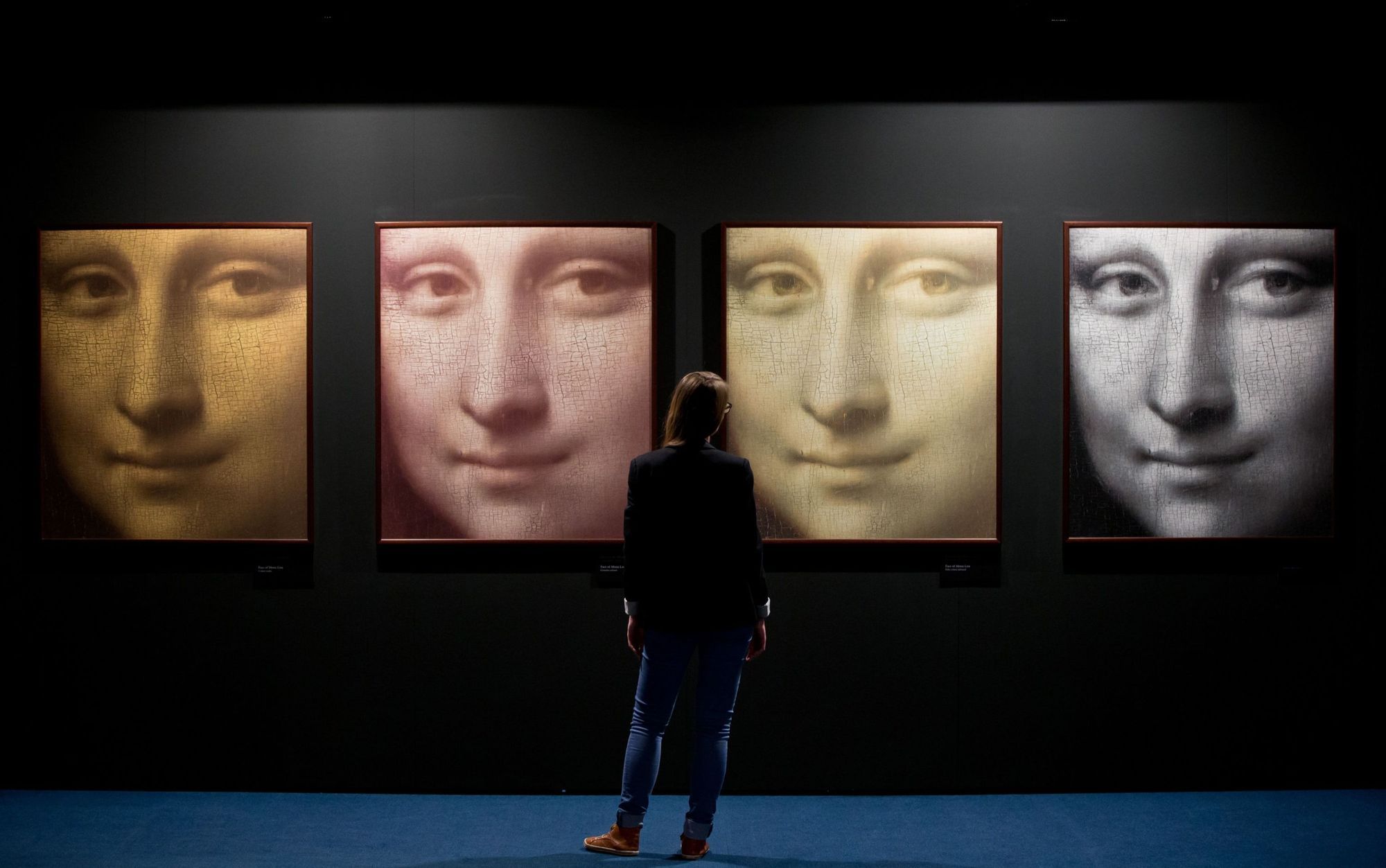
Leonardo da Vinci's Mona Lisa isn't just a painting—it's a data goldmine. AI-powered image analysis, spectral imaging, and machine learning algorithms are now revealing hidden layers, compositional secrets, and even da Vinci's actual techniques in ways traditional art history never could. From detecting hidden portraits beneath the surface to mapping brushstroke patterns, artificial intelligence is cracking centuries-old mysteries faster than any human expert ever could. The future of art authentication and historical analysis just got automated.
By YEET Magazine Staff | Updated: May 13, 2026
The traditional art world spent 500 years debating the Mona Lisa. Who was she? Why is she smiling? What was da Vinci really thinking? Now, AI is cutting through the bullshit with hard data.
What AI Found Hidden in the Mona Lisa
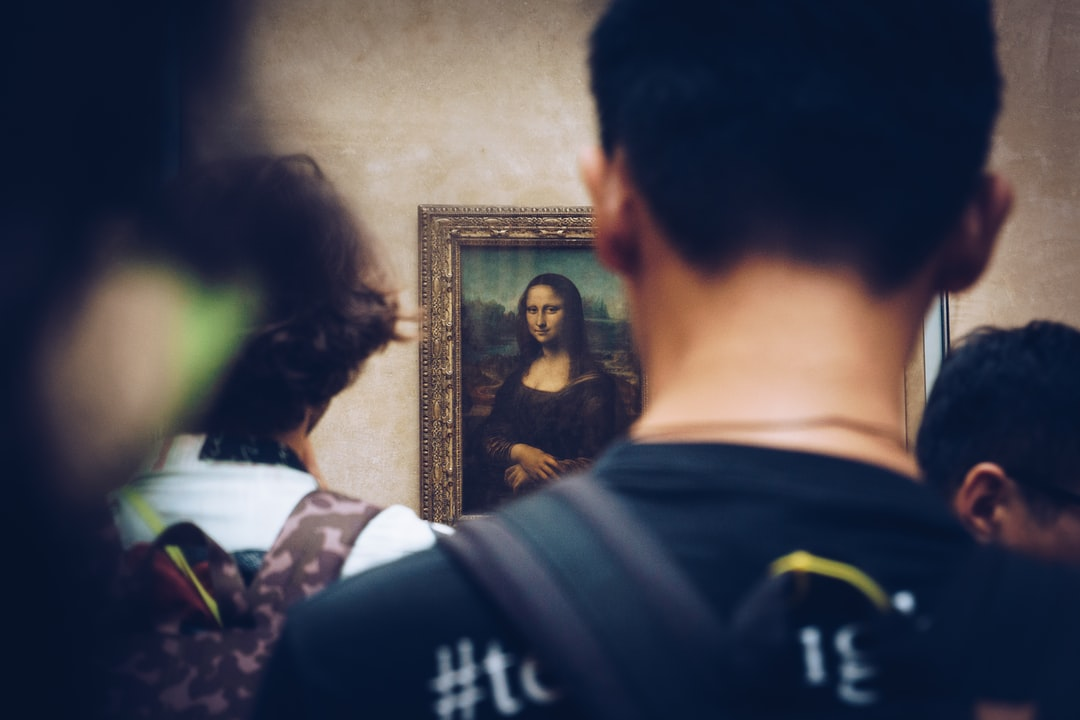
Researchers using machine learning algorithms discovered there's literally another portrait hidden under the top layer of the painting. Using X-ray fluorescence and computational analysis, AI mapped out da Vinci's pentimenti—those are changes he made while painting. Algorithms detected hidden sketches, layer composition, and even identified which pigments he used at specific coordinates.
Think of it like digital archaeology. Instead of humans squinting at the canvas, neural networks scan millions of pixel points, identify patterns, and reconstruct the artist's creative process. It's automation applied to 500-year-old secrets.
How Machine Learning Changed Art Authentication
Art forgery is a multi-billion dollar problem. Museums now use AI to verify authenticity by analyzing brushstroke patterns, pigment distribution, and compositional geometry. Deep learning models trained on thousands of verified artworks can now flag fakes with accuracy that surpasses human experts.
The Mona Lisa itself became a training dataset. By mapping every millimeter of the original, AI can detect if another painting is genuinely da Vinci or just a very good copy. It's like fingerprint analysis for oil paintings.
The Computational Art History Era
What this really means: art history is becoming a data science discipline. Institutions are building databases of brushstroke signatures, spectral imaging data, and composition metrics. Algorithms can now identify an artist's hand across multiple works, trace influence patterns, and even predict stylistic evolution.
Museums are automating authentication. Galleries are using AI to discover lost masterpieces. The entire field is being digitized. Welcome to the future of creative analysis—where algorithms know more about Leonardo than Leonardo's contemporaries ever did.
Why This Matters Beyond Art Geeks
This isn't just niche academic stuff. The technology being developed to understand the Mona Lisa is the same AI that powers fraud detection, quality control, and digital preservation. When you automate the analysis of visual complexity at this level, you're building infrastructure for countless industries.
Insurance companies use similar algorithms. Authentication platforms rely on these models. This is how technology scales expertise—one masterpiece at a time.
Questions People Actually Ask
Can AI definitively tell us who the Mona Lisa was?
Not exactly, but machine learning analysis of contemporary records, genealogical data, and historical documents helps narrow it down. AI can cross-reference historical databases way faster than any historian could manually. Most algorithms point toward Lisa Gherardini, but AI can't replace historical documentation—it just accelerates it.
Has AI discovered anything genuinely new about the painting?
Yes. The hidden portrait underneath was confirmed using computational imaging that traditional methods couldn't achieve. Algorithms detected brushstroke patterns that revealed da Vinci's working process. That's new information extracted from old data.
Could an AI ever create something like the Mona Lisa?
Generative AI can definitely mimic the style. What it can't replicate is the intentional complexity and hidden layers da Vinci built in deliberately. The Mona Lisa is fundamentally about human choice and meaning. AI can copy technique. It can't (yet) replicate purpose.
How is this changing museums and galleries?
Institutions are automating conservation decisions, using predictive analytics to prevent deterioration, and deploying computer vision to catalog collections at scale. What took years of manual work now happens in weeks. It's industrial-grade efficiency applied to art stewardship.
What's the next frontier for AI in art analysis?
3D reconstruction of artistic intent, predictive modeling of how paintings deteriorate, and algorithms that can literally "see" what the artist was thinking based on compositional choices. We're moving from passive analysis to active interpretation.
Read Next
Check out our piece on how AI is revolutionizing art authentication and forgery detection. Then dive into our coverage of machine learning's impact on cultural preservation.