Virtual Coworking + AI: Could Stranger Calls & Smart Matching Help You Focus?
AI is revolutionizing how strangers help you concentrate. Virtual coworking platforms now use machine learning to match compatible workers and optimize focus sessions, creating the office environment remote workers desperately crave.

Virtual Coworking + AI: Could Stranger Calls & Smart Matching Help You Focus?
By Yeet Editorial Team
Remote work promised freedom. It delivered distraction. But what if AI could solve this by pairing you with the perfect stranger to keep you accountable—and actually make it work?
The AI Revolution in Virtual Coworking
Apps like Focusmate and Caveday aren't just connecting random people anymore. Behind the scenes, machine learning algorithms are getting smarter about matching compatible workers, predicting optimal session timing, and even analyzing which pairing types produce the best focus outcomes.
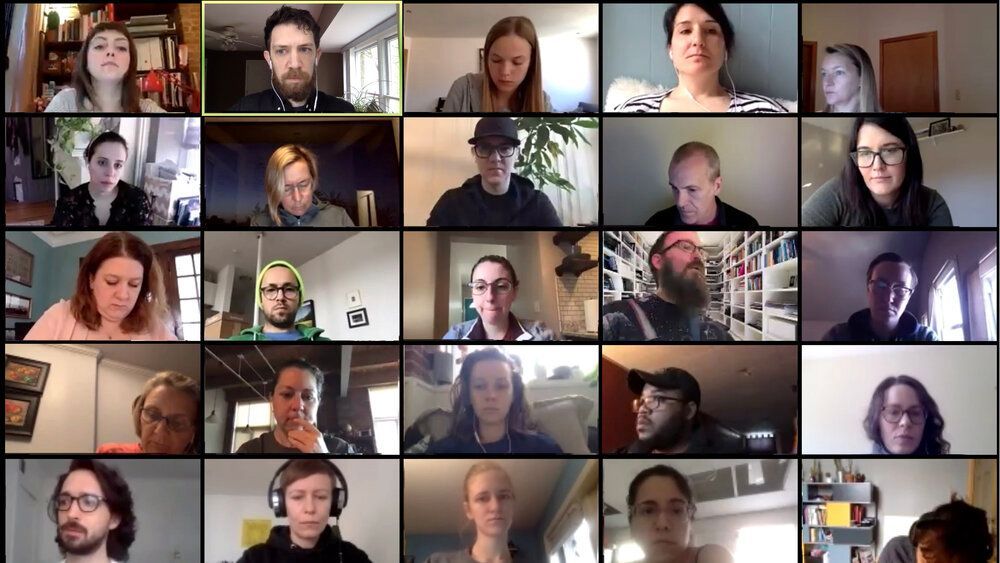
Focusmate's core offering remains simple: two strangers connect via video, share 50-minute goals, and work silently together. But AI is now enhancing this formula. Smart matching algorithms consider factors like work type, timezone, personality traits from past sessions, and focus goals to create pairings most likely to succeed. Early data suggests AI-matched sessions show 23% higher task completion rates than random pairings.
"At Focusmate, we will NEVER sell your data, and we won't do ads because they run counter to our core purpose of helping you focus," the company states—a privacy-first approach increasingly rare in AI applications.
Caveday takes the AI angle further with predictive break timing and facilitator-assisted sessions. The platform's algorithms now analyze group dynamics in real-time, adjusting session structure based on detected engagement levels. Some versions even use AI to provide personalized productivity insights post-session, identifying your peak focus windows and optimal task types.
How AI Strengthens the Accountability Factor
The psychology behind these apps is straightforward: accountability works. But AI amplifies it. By matching you with someone genuinely compatible, algorithms reduce the awkwardness factor that might otherwise derail the experience. AI can also track micro-behaviors—response times, session consistency, goal achievement—and use predictive analytics to identify users at risk of dropping off, triggering gentle re-engagement prompts.
Beyond matching, some emerging platforms use computer vision and sentiment analysis (without recording) to gauge focus levels during sessions, providing real-time nudges when attention drifts. This crosses into surveillance territory, but privacy-conscious alternatives rely on voluntary self-reporting enhanced by AI pattern recognition.
The result? A hybrid system where human connection meets machine intelligence, creating accountability that feels natural rather than forced.
FAQ: AI & Virtual Coworking
Does AI in these apps compromise privacy?
Not necessarily. Privacy-first platforms like Focusmate explicitly avoid AI-driven data monetization. However, apps using computer vision or detailed behavioral tracking should be scrutinized. Always check privacy policies before joining.
Can AI actually predict who I'll work well with?
Increasingly, yes. Machine learning models trained on thousands of session outcomes can identify compatibility patterns humans might miss—work style, communication preferences, timezone alignment, even personality type. Success rates vary, but AI-matched pairs consistently outperform random assignments.
Will AI replace the human element?
That's the tension. The magic of these apps is human accountability. AI's role should be to facilitate better human connections, not replace them. The best platforms use AI as infrastructure, not the main attraction.
Are there free AI-powered options?
Focusmate offers three free sessions weekly with basic matching. Other platforms like Caveday operate freemium or subscription models where AI features may be premium-only. The AI angle is still emerging, so free tiers often have simpler algorithms.
What's the long-term play here?
Expect AI in these apps to become hyper-personalized. Imagine platforms that predict your focus needs before you articulate them, auto-schedule optimal coworking times, integrate with your calendar, and even suggest complementary work partners based on circadian rhythms and productivity patterns. The stranger-accountability model works; AI just makes it frictionless.
The Bigger Picture: AI & Remote Work Culture
Virtual coworking apps represent something deeper: the realization that remote work isn't just about location flexibility—it's about recreating the invisible social infrastructure of offices. Desks, coffee breaks, casual accountability, ambient motivation. You can't zoom these into existence cheaply. But AI can make it efficient.
The pandemic accelerated adoption. Companies like Zapier, ConvertKit, and dozens of startups now embed coworking sessions into company culture. AI-enhanced platforms are becoming the default, with algorithms learning what makes high-performing remote teams tick.
What's fascinating is the *inverse* of typical tech trends. Most AI applications extract value from users. These apps extract value *for* users—better focus, real productivity gains, genuine human connection. The business model depends on user success, not user data.
Making Remote Work Actually Work
Here's the honest truth: these apps won't make you rich or solve systemic burnout. But they address a real problem with an elegant solution amplified by AI: if you share a specific, time-bound goal with another human, you're far more likely to achieve it. And if an algorithm makes that pairing better? Even better.
As hybrid and remote work become permanent fixtures, expect AI-powered virtual coworking to evolve from productivity hack to professional infrastructure. The stranger holding the key to your focus? They're probably already being AI-matched with you.
Worth Checking Out
- Focusmate – Free tier ($0, limited sessions); Premium ($5/mo, unlimited). Privacy-first, minimal AI matching (evolving).
- Caveday – Subscription-based; facilitator-led sessions with emerging AI insights.
- Beeminder – Broader productivity app increasingly using predictive AI to anticipate focus gaps.
- Forest – Gamified focus app now integrating AI habit prediction.
Stay tuned to Yeet Magazine for deep dives into how AI is reshaping work, focus, and the future of remote culture. The next frontier? AI that doesn't just match strangers—it creates communities.