How AI is Reshaping Wealth Management: Inside Francoise Bettencourt Meyers' $93B Fortune
Francoise Bettencourt Meyers sits atop $93.3B, but maintaining mega-fortunes now requires serious tech. We're breaking down how AI algorithms, automated investment systems, and data analytics keep billionaire wealth compounding—and what it means for the future of money management.

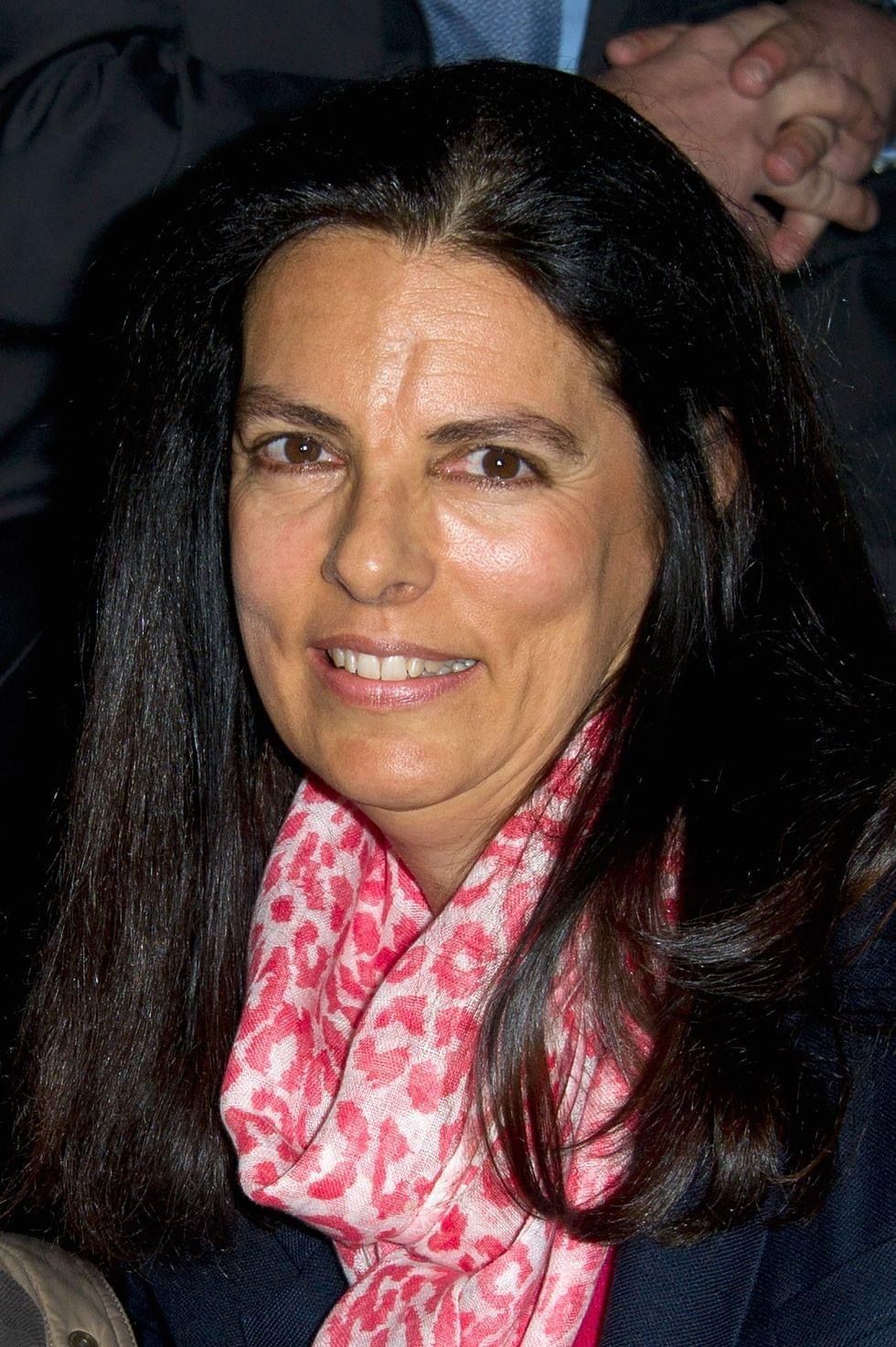
Francoise Bettencourt Meyers is worth $93.3 billion, making her the world's richest woman. But here's the real story: managing that level of wealth isn't about luck anymore—it's about algorithms, AI-driven investment platforms, and automated portfolio management systems working 24/7. Her fortune grew from L'Oréal's cosmetics empire, but keeping billions compounding in 2024 requires cutting-edge fintech infrastructure that most people never see.
By YEET Magazine Staff | Updated: May 13, 2026
The AI angle on inherited wealth is simple: Once you hit billionaire status, machines do the heavy lifting. Wealth management firms now use predictive analytics and machine learning to optimize portfolios across thousands of assets simultaneously. Bettencourt Meyers likely employs automated systems that analyze market data in milliseconds, rebalance holdings without human intervention, and identify investment opportunities faster than any human advisor could.
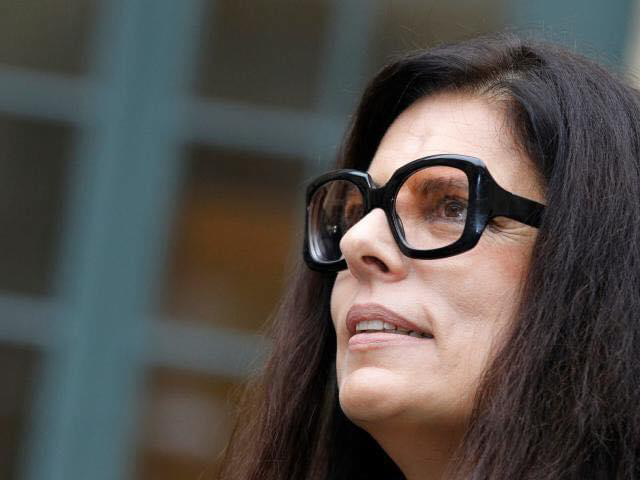
Who is Francoise Bettencourt Meyers, really? She's the sole heir to Liliane Bettencourt's L'Oréal fortune. When her mother died in 2017, Francoise inherited over 30% of L'Oréal and became chairperson. But she's not just coasting—she's actively managing one of the world's largest family offices, which increasingly means leveraging AI for everything from supply chain optimization to predictive market analysis.
Her family built a cosmetics empire, but the wealth multiplication now happens through automated systems. Modern billionaire offices employ teams of data scientists, machine learning engineers, and algorithmic traders. These aren't boring back-office roles—they're critical to wealth preservation and growth in an age where markets move at machine speeds.
The L'Oréal connection matters for understanding corporate AI: The beauty industry is getting disrupted by machine learning—demand forecasting, personalized product recommendations, supply chain automation. Bettencourt Meyers' controlling stake means she's at the intersection of inherited wealth and tech-driven business innovation.
Family offices managing $100M+ now treat data infrastructure as core competency. Advanced analytics predict consumer trends before they happen. Blockchain systems track supply chains in real-time. Robotic process automation handles routine financial operations. This is the invisible infrastructure keeping mega-fortunes compounding.
The broader picture: We're entering an era where extreme wealth concentration isn't just about inheritance—it's about who controls the best AI systems. Billionaires have access to private equity firms with proprietary algorithms, hedge funds using quantum computing for trading, and investment vehicles most of us can't touch. The wealth gap isn't just about money; it's increasingly about who has access to the most advanced automation and data analytics.
Bettencourt Meyers also pursues philanthropy and cultural interests (she's an accomplished pianist and writer), but her wealth compounds regardless—that's what generational AI-driven portfolio management does. It works while you sleep, optimizing across thousands of variables humans couldn't possibly track.
What about the messy stuff?
The Bettencourt family had its share of drama. The "Bettencourt Affair" involved fraud allegations against advisors who allegedly exploited Liliane. Even billionaire fortunes need security—in this case, legal frameworks and family office governance structures that now increasingly rely on AI-powered compliance and fraud detection systems.
Why this matters for the future of work: As wealth management becomes more automated, we're seeing a bifurcation in financial careers. High-level strategists and data scientists command premium salaries. Routine financial operations get automated away. This is the future of work in fintech—concentration of expertise at the top, automation at the bottom.
FAQ
How much is Francoise Bettencourt Meyers actually worth?
Forbes estimates her net worth at $93.3 billion as of late 2023. Real-time wealth fluctuates based on L'Oréal stock price and broader market movements. Most of her wealth is tied to L'Oréal shares, making stock performance critical to her ranking.
Does she actually run L'Oréal?
She serves as chairperson and owns over 30% of the company, but L'Oréal operates with professional management structures. Her role is more governance-focused than hands-on daily operations, though she influences major strategic decisions.
How do billionaires like her avoid wealth erosion?
Through diversified portfolios managed by AI-driven systems, automated tax optimization, family office structures with dedicated teams, and exposure to growth assets. Machine learning identifies opportunities to rebalance and hedge risk continuously.
Is inherited wealth taxed differently?
It depends on jurisdiction. France has inheritance taxes, but wealth can be structured through trusts, holding companies, and other vehicles optimized by algorithms that identify the most tax-efficient approaches. Learn more about tax automation here.
What does she actually do with the money?
Philanthropy (she donates to various causes), business governance through L'Oréal, and personal interests (music, writing). Most of her wealth simply compounds through automated portfolio management—the real work happens in spreadsheets and algorithms, not headline-grabbing projects.
Related Posts
How AI is Automating Wealth Management for the Ultra-Rich
The Rise of Family Offices: Where AI Meets Generational Wealth
Supply Chain Automation in Luxury: How L'Oréal Uses Machine Learning
Algorithmic Trading and Billionaire Portfolios: The Invisible Infrastructure
Compliance Automation: How AI Prevents Fraud in High-Net-Worth Estates