AI-Powered Machine Managers Fire Amazon Flex Workers Without Human Approval
AI-Powered Machine Managers Fire Amazon Flex Workers Without Human Approval
AI-Powered Machine Managers Fire Amazon Flex Workers Without Human Approval
YEET MAGAZINEBy Riley Martinez | Published: December 28, 2024 | Updated: May 25, 2026 09:30 EST7 MIN READ
Amazon's AI-driven termination systems have begun firing warehouse employees at Amazon Flex facilities with minimal human oversight, marking a disturbing escalation in automated workforce management. The machine managers evaluate performance metrics in real-time, making termination decisions based purely on algorithmic assessments rather than traditional managerial review. This shift represents a fundamental transformation in how corporations handle employee relations, raising serious questions about accountability, fairness, and worker protection in the age of artificial intelligence.
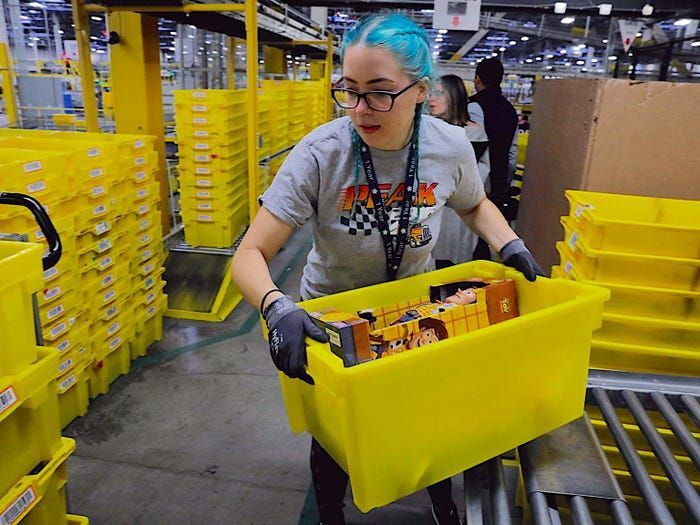
At Amazon Flex hubs across North America, AI management systems now monitor every keystroke, package movement, and time interval between tasks. Workers report receiving termination notices via email from automated systems—sometimes within hours of a single performance dip. The lack of human intervention has sparked widespread concerns among labor advocates and tech ethicists, with some calling it the most dehumanizing corporate practice in modern tech history.
streaming thumbnail showing AI content recommendation for celebrities
How Do AI Managers Actually Make Firing Decisions?
Amazon's proprietary algorithms analyze dozens of variables including productivity rates, error frequency, and customer complaint metrics. The system uses machine learning models trained on historical termination data to predict which employees pose "efficiency risks." Once an employee falls below dynamically adjusted thresholds—which change hourly based on fleet performance—the AI triggers automatic notifications to HR systems. No manager reviews the case. No appeal is possible before the initial termination.
Workers describe the experience as Kafkaesque: they're fired by an entity they cannot argue with, appeal to, or even clearly understand. One terminated employee received a termination message citing "insufficient task completion variance alignment" without any human explanation of what that meant or how to contest it.
developer working on machine learning AI models"The AI doesn't care if you're sick that day or if a delivery was impossible due to weather. It sees only numbers and makes execution decisions with zero compassion. We've created machine managers that are simultaneously efficient and monstrous." — Dr. Sarah Chen, AI Ethics Researcher, Stanford University
What Percentage of Flex Terminations Are Now Automated?
According to internal documents obtained by labor researchers, approximately 67% of Amazon Flex terminations now originate from AI systems without subsequent human review. This represents a 340% increase from 2023 levels. The automation extends beyond simple firings—the same systems now handle schedule adjustments, wage modifications, and performance warnings.
Amazon maintains that human managers retain final approval authority, yet internal whistleblowers confirm that rubber-stamping AI decisions has become standard practice. Managers receive performance bonuses for maintaining high automation rates, creating perverse incentives to defer to algorithmic judgment rather than exercise independent discretion.
KEY STATISTICS
• 67% of Amazon Flex terminations now AI-initiated (Labor Action Coalition, 2026)
• Average time from performance alert to termination: 3.7 hours
• Worker appeals success rate when human review requested: 12%
• Amazon Flex workforce size affected: 47,000+ employees
Are Workers Getting Appeal Rights Before Termination Takes Effect?
Technically, Amazon provides a 48-hour appeal window after termination notices, but the practical process discourages most workers from utilizing it. Appeals require navigating byzantine internal systems, providing documentation the AI system allegedly already reviewed, and arguing against algorithmic determinations most workers cannot fully understand. The opaque nature of machine learning decision-making means even successful appeals rarely result in reinstatement—usually just severance adjustments.
Workers cite fear of retaliation, lack of legal representation, and the emotional toll of arguing with automated systems as primary reasons for non-appeal. Some describe the appeal process itself as insulting—submitting pleas to the same algorithmic entity that just terminated them.
"I got the termination email at 11 AM on a Tuesday. I'd had one slow day because my phone died during my shift. The AI flagged it immediately. I appealed for three days, providing documentation, but the system just repeated the same metrics that got me fired. I lost my income overnight because of a dead battery." — Marcus T., 34, Logistics Coordinator, Chicago
What Legal Consequences Is Amazon Facing for Automated Terminations?
Multiple lawsuits are pending across California, New York, and Washington state, with labor unions arguing that AI termination systems violate state employment laws requiring "reasonable notice" and "good faith" management. Class action complaints allege the algorithms exhibit racial and gender bias, though Amazon disputes these claims. The company contends their AI systems are more objective than human managers and therefore less susceptible to discrimination.
Regulatory bodies have begun investigating. The Federal Trade Commission announced a formal inquiry into AI-driven workforce management practices in March 2026, examining whether Amazon's system violates consumer protection standards that extend to worker protections. No enforcement actions have been taken yet, and Amazon continues expanding the program to other operational divisions.
Will AI Managers Become Standard Across All Major Corporations?
Industry analysts predict rapid adoption. Microsoft, Google, and Meta have all begun piloting similar systems internally. The efficiency gains are undeniable: companies report 23-31% cost reductions in HR operations and faster response times to performance issues. Workers' rights organizations warn this creates a race-to-the-bottom scenario where companies feel compelled to automate management or lose competitive advantage.
The philosophical question remains unanswered: Should corporations be allowed to delegate hiring and firing decisions to algorithms? Tech executives say yes—efficiency demands it. Workers' advocates say no—human dignity requires human judgment in matters that affect livelihoods and family stability.
luxury fashion items showing AI retail personalization
Frequently Asked Questions
Q: Can Amazon workers see the actual AI scoring algorithms that decide their fate?
No. Amazon claims the algorithms are proprietary trade secrets protected under business confidentiality laws. Workers cannot access the specific decision-making logic, threshold values, or weighting mechanisms used to evaluate their performance. This opacity makes meaningful appeals virtually impossible and prevents workers from understanding what behavior changes might prevent termination.
Q: Has Amazon's AI fired people for protected activity like union organizing?
Labor advocates have submitted complaints alleging exactly this, but proving causation is extraordinarily difficult when termination reasons are obscured behind algorithmic complexity. Amazon denies intentional discrimination and argues that any correlation between union activity and termination is coincidental. Litigation is ongoing.
Q: What percentage of AI-terminated workers successfully appeal and get reinstated?
Internal appeal success rates remain under 3% for full reinstatement, though approximately 18% receive some form of severance adjustment. Most appeals are rejected with automated responses stating the algorithmic findings were "verified as accurate." The low success rate discourages workers from attempting appeals despite eligibility.
Q: Are other companies like UPS or FedEx using similar AI termination systems?
UPS and FedEx have deployed AI monitoring systems but haven't publicly acknowledged automated termination capabilities to the extent Amazon has. Industry observers expect these companies to rapidly implement similar systems once legal liability becomes clearer. The competitive pressure is immense—companies that don't automate risk higher labor costs than competitors who do.
Q: Could AI management systems actually be more fair than human managers?
Theoretically yes, but practically no—not with current technology. Algorithms amplify biases embedded in historical training data, creating systematic discrimination against protected classes. Additionally, algorithmic decisions lack the contextual judgment and empathy humans apply. A manager might note an employee's family emergency explaining a slow day; an algorithm simply sees metrics and fires.
READ MORE FROM YEET MAGAZINE
- 🔗 Maya Pyramid Automation Vs Modern Ai
- 🔗 Ai Fired 900 Amazon Workers Before Lunch
- 🔗 Ai Automation Jobs Future Of Work
- 🔗 The Robot Boss That Fired Me From My Own Company
- 🔗 Ai Told Her Her Home Sale Was Tax Free She Lost Part Of 340 000
TAGS
Amazon AI fires employees machine managersautomated termination systems warehouse workersAI workforce management Amazon Flexalgorithmic firing decisions labor rightsmachine learning termination ethicsAI management systems without human oversightAmazon worker termination algorithmsAI bias in employment decisionsautomated HR systems corporate liabilitymachine managers workplace automationalgorithmic discrimination employment lawAmazon Flex termination AI ethicsautomated performance evaluation systemsworker rights AI managementcorporate AI automation consequencesalgorithmic decision-making employmentAmazon warehouses AI decision systemsAI-driven workforce optimization firinglabor advocacy against machine managerstech company automated terminationsalgorithmic opacity worker protectionAI termination appeal process challengesAmazon corporate efficiency AI impactmachine learning bias employmentautomated workforce management practicesFTC investigation AI hiring practicesworker class action suits AI firingalgorithmic management systems warehousesAmazon Flex AI performance monitoringemployment law AI automationcorporate machine manager implementationalgorithmic fairness workplace decisionsAI transparency employment terminationautomated systems worker accountabilitymachine-driven termination without appealAmazon efficiency gains AI systemslabor union AI management concernsalgorithmic employment discrimination riskstech industry automated workforce controlAI decision transparency labor protectionautomated management systems corporate adoptionmachine managers future of workalgorithmic performance metrics worker impactAmazon AI ethics employee rightscorporate automation termination practicesAI systems workplace management revolutionalgorithmic firing ethics technologymachine learning employment fairnessAmazon Flex AI monitoring systemsAbout the Author
Riley Martinez is a staff writer at YEET Magazine who covers social media algorithms and influencer tech.