Aristides Dallas + AI: How Machine Learning is Revolutionizing Contemporary Architecture
Aristides Dallas is redefining contemporary architecture by integrating AI and machine learning into his design process. From the iconic Lap House to intelligent residential spaces, discover how artificial intelligence is transforming how architects conceptualize, optimize, and construct cutting-edg

Aristides Dallas + AI: How Machine Learning is Revolutionizing Contemporary Architecture
Aristides Dallas, the visionary architect behind Greece's most innovative residential projects, is pioneering a new frontier in contemporary design: AI-integrated architecture. While traditional architects rely on conventional design methods, Dallas is leveraging artificial intelligence, machine learning algorithms, and computational design tools to create structures that are simultaneously brutalist, functional, and environmentally optimized.
Beyond Traditional Architecture: The AI Revolution
Architecture has historically been a human-centric discipline—sketches on paper, designs in software, and concepts born from experience. But artificial intelligence is fundamentally changing this landscape. Aristides Dallas Architecture Studio, based in Athens and Tinos, Greece, now employs AI-powered tools to analyze site conditions, optimize structural efficiency, and generate design variations that would take human architects weeks to produce manually.
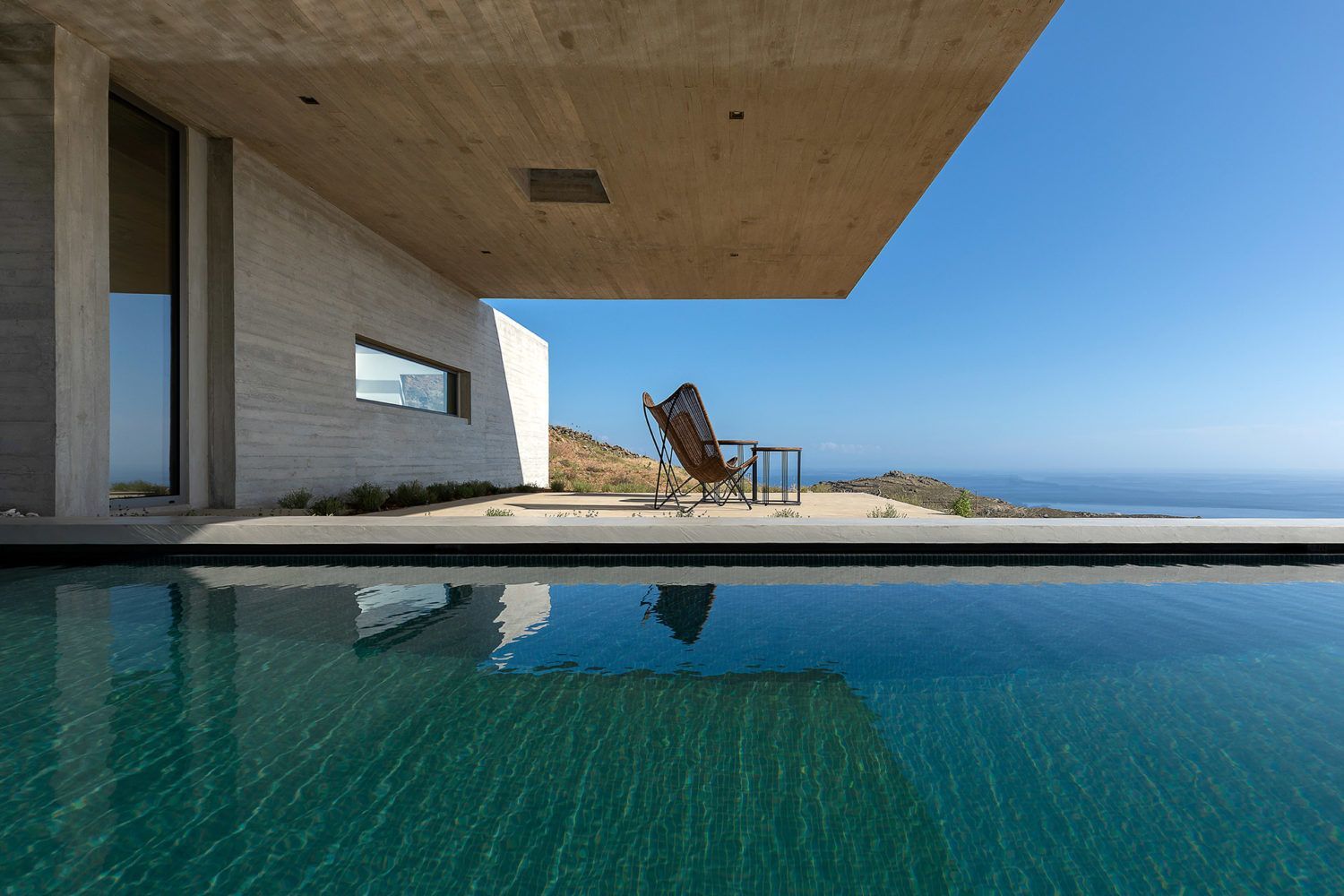
Machine learning algorithms can process vast amounts of architectural data—climate patterns, material properties, aesthetic preferences, building codes—to inform decisions about form, function, and sustainability. For Dallas's iconic brutalist projects like the Lap House on Tinos, AI tools helped analyze how natural light interacts with mineral surfaces and how the structure's mass relates to the harsh, arid landscape.
The Lap House: Where Brutalism Meets AI Optimization
The Lap House represents Dallas's philosophical approach: architecture that doesn't fight its environment but reinterprets it. This brutalist, mineral work reveals the harshness and aridity of Tinos through raw materials and geometric precision. But behind this aesthetic lies AI-driven structural analysis.
Using computational design tools, Dallas's team could simulate how the building responds to wind loads, thermal stress, and seismic activity—information that directly influenced its final form. AI algorithms optimized material distribution, ensuring that the structure uses resources efficiently while maintaining visual integrity. Machine learning models also analyzed the building's thermal performance, suggesting material thicknesses and orientations that minimize energy consumption without compromising the brutalist aesthetic.
AI in the Design Process: From Concept to Reality
The integration of AI into Dallas's workflow happens at multiple stages:
Site Analysis: AI processes topographical data, solar exposure patterns, and geological information to identify optimal building placement and orientation. Computer vision algorithms analyze photographic documentation of the landscape to inform aesthetic decisions about material selection and color palettes.
Generative Design: Machine learning models generate hundreds of design variations based on specified parameters—floor area, material budgets, aesthetic preferences, sustainability targets. Dallas's team evaluates these computationally-generated options, selecting and refining those that align with the project's vision. What once took months of iterative sketching now occurs in hours.
Structural Optimization: AI analyzes structural loads and material properties to create designs that are both visually striking and materially efficient. Neural networks trained on thousands of existing buildings can predict structural performance and suggest improvements to loading paths, wall thickness, and spatial arrangement.
Cost Estimation & Project Management: Machine learning models trained on completed projects help Dallas's studio predict construction costs with remarkable accuracy. These algorithms analyze material prices, labor data, and complexity factors to provide clients with reliable budget forecasts—far more accurate than the traditional 10% architectural fee calculation.
Smart Homes and AI Integration
Beyond the design phase, Dallas is exploring how contemporary residences can incorporate intelligent building systems. AI-powered smart home technology can learn occupant preferences, automatically adjusting lighting, heating, and cooling systems for optimal comfort and efficiency. Predictive algorithms anticipate maintenance needs before equipment fails, extending building lifespan and reducing operational costs.
For Dallas's residential projects, this means designing spaces that are not only architecturally significant but genuinely responsive to their inhabitants—a synthesis of aesthetics, functionality, and intelligence.
The Human-AI Collaboration Model
Critically, Dallas's approach represents human-AI collaboration rather than replacement. Architects bring creative vision, cultural sensitivity, and artistic judgment—qualities that AI cannot replicate. Artificial intelligence excels at processing complex data sets, exploring vast design spaces, and optimizing technical performance.
When combined, these complementary strengths produce superior results: buildings that are visually stunning, structurally efficient, and deeply attuned to their contexts. Dallas's network of professional experts—engineers, material scientists, interior designers, artists—works alongside AI tools to achieve this synthesis.
Economics of AI-Driven Architecture
Traditionally, architects charge 4-10% of final building costs for design services, depending on scope. AI integration is reshaping this economics. While computational tools require investment in software licenses and training, they dramatically increase efficiency. Design iterations that once consumed weeks now take days. Structural analyses that required external engineering consultants can occur in-house. Material optimization reduces waste and construction costs.
The result? Architects like Dallas can offer more comprehensive services at competitive prices while delivering higher-quality designs. Clients benefit from reduced design timelines and more thoroughly optimized buildings. This democratization of advanced design tools is bringing cutting-edge architecture to projects that previously couldn't justify the expense.
Frequently Asked Questions
Q: Does AI replace human architects?
A: No. AI excels at processing data and generating options, but human architects provide creative vision, cultural understanding, and aesthetic judgment. The most innovative contemporary design emerges from human-AI collaboration.
Q: How does AI help with building sustainability?
A: Machine learning algorithms analyze climate data, material properties, and building performance to optimize energy efficiency, water usage, and waste reduction. AI can simulate thousands of design variations to identify the most sustainable solutions.
Q: Can AI design buildings as beautiful as human architects?
A: AI generates forms based on programmed parameters, but beauty emerges from human interpretation and refinement. AI is a tool for exploration; architects decide what's beautiful and culturally meaningful.
Q: What skills do modern architects need?
A: Beyond traditional design training, contemporary architects benefit from understanding data analysis, computational design software, and how to collaborate effectively with AI systems. The most competitive architects blend creative thinking with technical literacy.
Q: Is AI design more expensive?
A: Initial investment in AI tools and training requires capital, but operational efficiency gains typically reduce overall project costs and timelines. Clients pay for smarter, better-optimized designs, not necessarily higher prices.
The Future of Architecture: Aristides Dallas Leading the Way
Aristides Dallas Architecture Studio represents a evolutionary shift in how contemporary buildings are conceived and realized. By integrating artificial intelligence and machine learning into every phase of design—from initial site analysis through final construction—Dallas is setting new standards for Greek architecture and inspiring international peers to embrace computational methods.
The Lap House and his other cutting-edge residential projects demonstrate that AI-enhanced architecture isn't cold or inhuman. Rather, these buildings possess remarkable aesthetic power precisely because they're thoroughly optimized—every form serves function, every material choice maximizes performance, every spatial relationship has been refined through computational analysis and human artistic sensibility.
As artificial intelligence continues evolving, architects willing to master these tools while maintaining strong creative vision will define the 21st-century built environment. Aristides Dallas is leading that transformation.