The World's 20 Best Cities for Architecture Lovers: AI-Powered Travel Planning
Architecture lovers now have a new advantage: AI-powered travel platforms that personalize city itineraries based on architectural preferences. Explore the world's 20 best architecture cities—from Rococo St. Petersburg to Futurist Brasília—while discovering how machine learning transforms architectu


Travel Guide: The World's 20 Best Architecture Cities + AI-Powered Discovery
By YEET Magazine Staff | Updated: May 13, 2026 | Originally published: December 07, 2020
What is the best city to live in for architecture enthusiasts? The answer depends on your aesthetic preferences—but increasingly, artificial intelligence is helping travelers answer this question with unprecedented precision. Architecture lovers planning their next expedition now benefit from AI-driven recommendation engines that analyze travel patterns, architectural preferences, and personal interests to suggest the perfect destinations. This guide explores the world's 20 best cities for architecture lovers while examining how machine learning and AI technology are revolutionizing how we discover and experience architectural heritage sites.
A city can be shaped by many things—its food scene, abundance of shopping options, or vibrant cultural institutions. But perhaps nothing defines a place quite as distinctly as its architecture. Whether through thoughtful urban planning or adaptation to cultural movements, the visual design of a city transports you through time while planting you firmly in a specific place. Today's architecture enthusiasts have an additional advantage: sophisticated AI algorithms that curate personalized city experiences based on architectural style preferences, travel history, and user engagement patterns.
The intersection of architecture tourism and artificial intelligence represents one of travel's most exciting frontiers. Machine learning platforms now analyze millions of data points—from architectural database records to social media mentions—to predict which cities will appeal most to individual travelers. For architecture lovers planning trips, this means smarter recommendations, optimized itineraries, and deeper contextual information about every building visited.
St. Petersburg, Russia: Rococo Architecture Meets AI Curation
The Rococo movement emerged in 18th-century France as a deliberate rebellion against the strict, symmetrical Baroque style that preceded it. While both movements embrace richly decorated architectural expressions, Rococo possesses distinctive characteristics: elegant curves, pale color palettes, and secular, light-hearted thematic elements that prioritize ornament and playfulness.
The style's influence spread across Europe, finding particular favor among female rulers in St. Petersburg. The Catherine Palace—commissioned by Catherine I and expanded by her daughter, Empress Elizabeth—stands as the quintessential example of Rococo architecture in the region. This 1717-constructed palace represents the height of 18th-century Russian imperial aesthetics, featuring blue and white façades adorned with gold details and intricate sculptural embellishments.
Modern architecture enthusiasts visiting St. Petersburg now leverage AI-powered guide systems that provide real-time historical context, identify architectural details through image recognition, and suggest optimal viewing angles for photography. Specialized travel apps use computer vision to analyze Rococo design elements and compare them across different European cities, helping travelers understand stylistic evolution and regional variations.
Brasília, Brazil: Futurism and Algorithmic Urban Planning
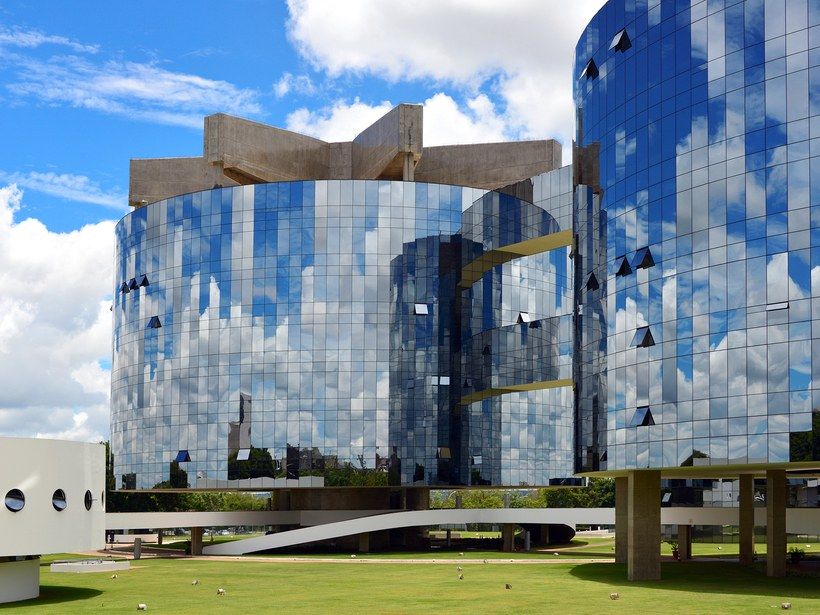
When Juscelino Kubitschek became President of Brazil in 1956, he initiated an audacious project: constructing an entirely new capital city in the country's barren interior. Kubitschek recruited legendary architect Oscar Niemeyer to lead the design initiative. Within months, Niemeyer orchestrated the creation of residential, commercial, and government structures for the emerging metropolis. His most celebrated designs included the National Congress of Brazil, the Cathedral of Brasília, the Presidential residence, and the Attorney General's office—each exemplifying futuristic design principles.
These structures embody Futurism's essential characteristics: dynamic lines, materials such as concrete and glass, and sharp contrasts that define Modernism's forward-thinking branch. Brasília's architectural unity creates a cohesive aesthetic experience across the entire cityscape—a quality that AI urban planners now study extensively when designing smart cities.
Interestingly, Oscar Niemeyer's urban planning concepts presaged contemporary AI-driven city design. Today's machine learning algorithms analyze Brasília's traffic flow, residential distribution, and commercial zoning patterns to optimize urban efficiency. Architecture lovers visiting Brasília benefit from AI applications that track optimal pedestrian routes between significant structures, identify architectural symmetries imperceptible to casual observers, and provide augmented reality overlays showing Niemeyer's original design intentions.
Athens, Greece: Classical Architecture Enhanced by Digital Discovery
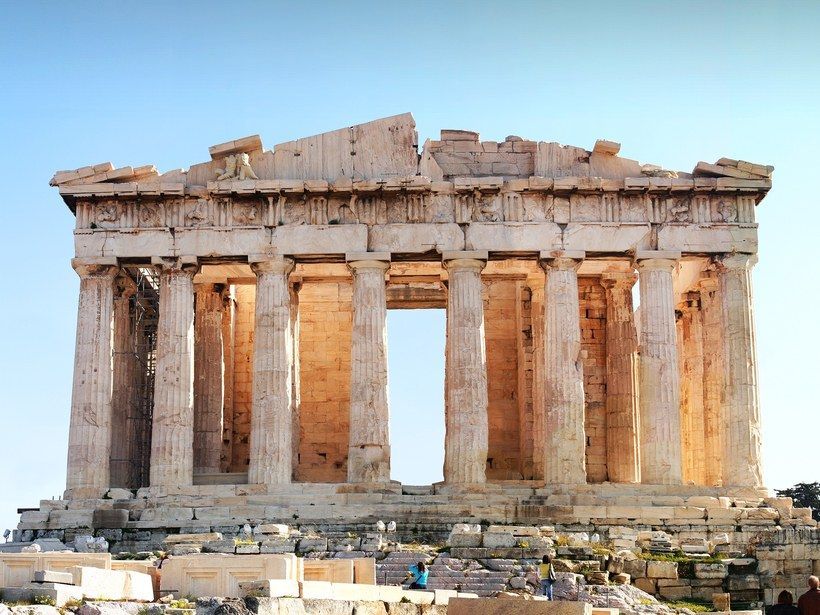
Athens represents architecture's birthplace, where Classical design principles originated over two millennia ago. The Parthenon, Erechtheion, and Temple of Athena Nike showcase the mathematical precision, harmonious proportions, and aesthetic ideals that defined Classical Greek architecture and influenced Western design for centuries. For architecture lovers, Athens offers an unparalleled educational experience—visiting structures that established fundamental design principles still taught in architectural schools worldwide.
Artificial intelligence has transformed the Athens architectural experience through sophisticated digital tools. Machine vision algorithms now identify Classical architectural orders, analyze proportional relationships invisible to untrained eyes, and contextualize structures within broader historical narratives. Visitors using AI-powered applications receive personalized guidance emphasizing architectural elements matching their documented interests—whether structural engineering, decorative sculpture, or urban spatial organization.
The application of neural networks to classical archaeology has enabled researchers to reconstruct original color schemes, decorative patterns, and sculptural details that time has obscured. Augmented reality experiences powered by deep learning algorithms allow architecture enthusiasts to "see" the Parthenon as ancient Athenians would have, complete with painted surfaces and bronze embellishments—creating immersive educational experiences that traditional guidebooks cannot provide.
How AI Transforms Architecture Tourism: Technology Applications
The convergence of artificial intelligence and architectural tourism has produced transformative technological applications. Personalization engines analyze user preferences, travel history, and engagement patterns to recommend cities and specific structures matching individual interests. Computer vision systems identify architectural styles, building materials, and design techniques through smartphone photographs, providing instantaneous educational content and historical context.
Recommendation algorithms consider multiple factors—climate preferences, travel duration, accessibility requirements, budget constraints, and architectural style affinities—to suggest optimal itineraries through the world's best architecture cities. Machine learning models predict which lesser-known architectural gems will appeal to specific travelers, uncovering hidden architectural treasures beyond mainstream guidebook recommendations.
Natural language processing systems power intelligent chatbots providing 24/7 architectural information,
Frequently Asked Questions
Q: How can AI help me find the best architecture destination for my trip?
A: AI-powered recommendation engines analyze your travel patterns, architectural preferences, and personal interests to suggest destinations tailored to your tastes. These machine learning algorithms can match you with cities that align with your specific aesthetic preferences—whether you're drawn to classical, modern, or contemporary architecture.
Q: Are the 20 cities in this guide suitable for all types of architecture enthusiasts?
A: Yes. The guide covers diverse architectural styles and periods, so whether you prefer ancient classical structures, Renaissance masterpieces, Art Deco designs, or cutting-edge modern architecture, you'll find cities that match your interests among the recommended destinations.
Q: How has AI technology changed the way we discover and experience architectural heritage sites?
A: AI technology revolutionizes architectural tourism by providing personalized recommendations, optimized travel routes between sites, real-time information about buildings and their history, and curated experiences based on individual preferences. This allows travelers to discover hidden architectural gems and plan more meaningful, efficient visits to heritage sites.