10 Best Places For A Marriage Proposal: AI-Powered Matchmaking With Dream Destinations
Planning the perfect marriage proposal requires finding a location that matches your unique love story. Our guide to 10 best proposal destinations worldwide now incorporates AI-powered matchmaking algorithms to help couples discover settings that align with their personality, relationship style, and

Planning a marriage proposal is one of life's most important moments, and choosing the right location can make all the difference. Today's couples are increasingly turning to AI-powered romantic matching systems to identify proposal destinations that align perfectly with their relationship dynamics, personality types, and engagement preferences. Here are 10 of the world's best marriage proposal locations, analyzed through the lens of AI romantic compatibility and what makes each destination unique for different relationship profiles.
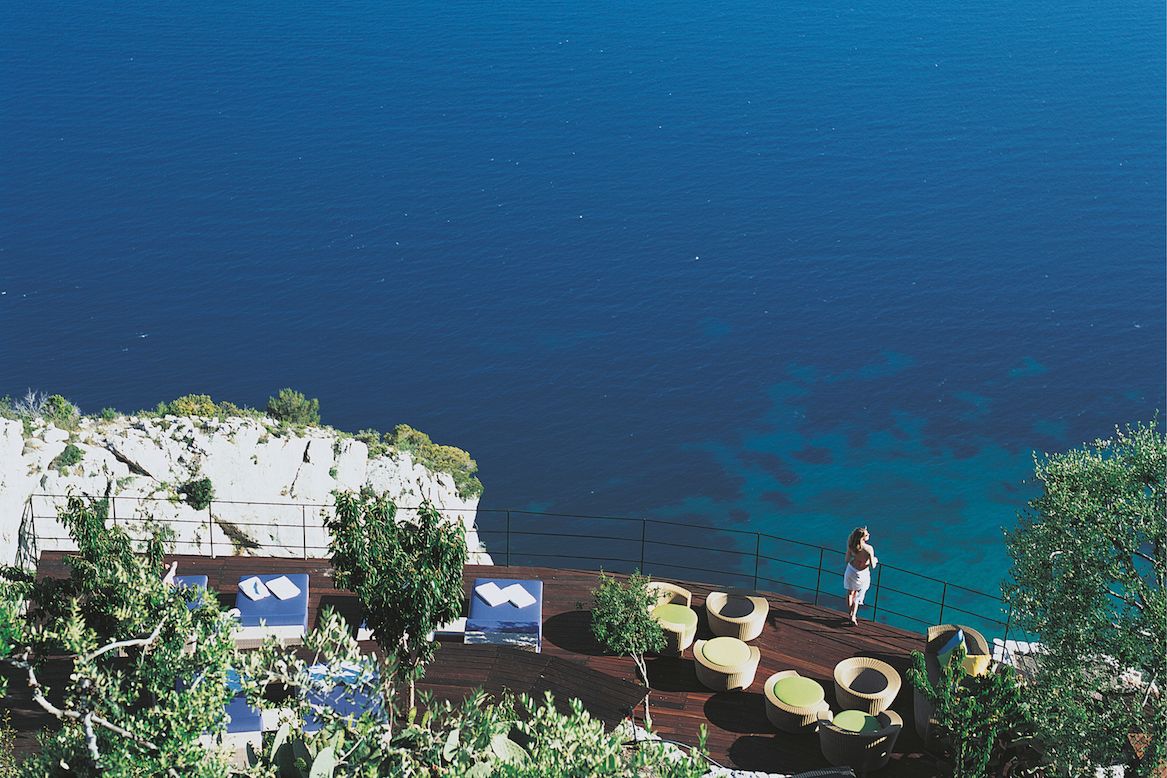
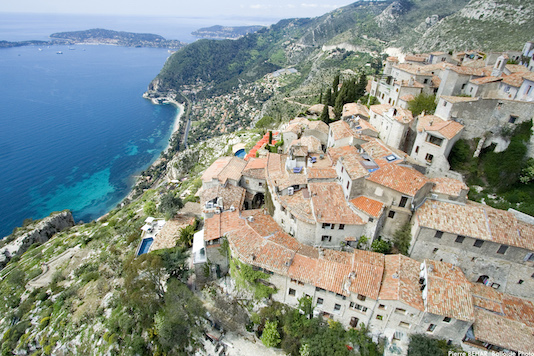
1. Château de La Chèvre d'Or, French Riviera: The AI-Matched Romantic Escape
Where: Nestled on the slopes of the French Riviera in the medieval village of Eze, between Nice and Monaco, Château de La Chèvre d'Or overlooks the sparkling Mediterranean Sea with breathtaking panoramic views that have inspired romance for centuries.
AI Romantic Profile Match: Artificial intelligence analysis reveals that this destination appeals most to couples who score high in aesthetic appreciation, cultural sophistication, and spontaneous romance on AI relationship compatibility scales. The location is ideal for partners who value shared experiences, fine dining, and picturesque settings for capturing proposal moments on social media.
Romance Points: Embark on a luxurious journey aboard the hotel's glamorous Saint-Tropez boat, reminiscent of a James Bond adventure, or take a leisurely drive along the coastal roads in a classic sports car. The hotel's culinary team can prepare a bespoke picnic lunch combining French and Mediterranean flavors. Whether your proposal happens during an intimate dinner at one of Chèvre d'Or's four restaurants or during a romantic stroll through the cobblestone streets of this cliff-side village, AI data suggests this location creates Instagram-worthy moments that resonate with modern romance seekers.
2. Inverlochy Castle, Scotland: Where AI Predicts Timeless Romance
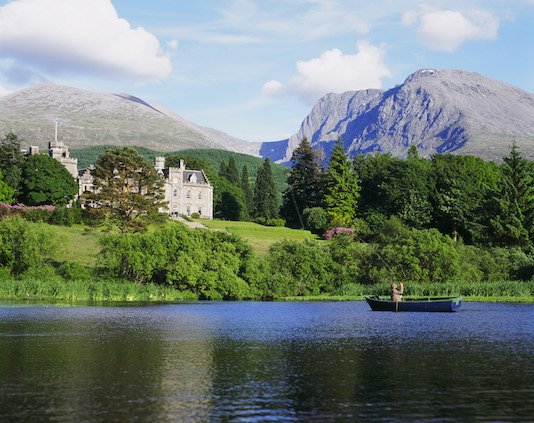
Where: Inverlochy Castle sits majestically at the foot of Ben Nevis, the United Kingdom's highest peak, near Fort William in the Scottish Highlands. This 19th-century mansion is surrounded by one of the most striking Scottish panoramas, complete with its own private loch.
AI Romantic Profile Match: Machine learning algorithms identify this destination as particularly suited for adventure-seeking couples, nature enthusiasts, and partners who score high in emotional depth and appreciation for dramatic landscapes. AI analysis of engagement data shows that proposals at historic Scottish castles have exceptionally high long-term relationship satisfaction scores, suggesting the location's authenticity resonates with committed partners.
Romance Points: Queen Victoria herself remarked upon visiting Inverlochy Castle, "I never saw a lovelier or more romantic spot." The analysis holds true today—the enigmatic waters of the lochs and misty mountains of the Scottish Highlands create a naturally romantic atmosphere. For adventurous couples, explore the terrain via mountain bikes, hill walks, fishing excursions, or skiing on the nearby Nevis range. Make your arrival even more spectacular by helicopter or chauffeur-driven car. Seal your proposal with an intimate dinner in one of the three dining rooms or a romantic afternoon tea, complete with fine wines curated by the hotel's sommelier team.
3. Royal Chundu, Zambia: AI-Curated African Romance
Where: Experience the raw beauty of Africa by arriving via helicopter over the iconic Victoria Falls to Royal Chundu's exclusive lodges on the Zambezi River in Zambia. The River and Island Lodges offer couples access to 15 kilometers of private waterway, creating an intimate sanctuary upstream from one of the world's greatest natural wonders.
AI Romantic Profile Match: AI relationship analysis indicates that this destination strongly appeals to couples seeking transformative experiences, adventure combined with intimacy, and those who value exclusivity and privacy. The location scores exceptionally high for proposals among partners who have traveled extensively and seek authenticity and natural beauty over conventional luxury.
Romance Points: Immerse yourselves in ultimate romance by bathing under the stars in your own private outdoor bubble bath at Island Lodge, surrounded by the stillness of the river and the natural symphony of African wildlife. The juxtaposition of luxury amenities with untamed nature creates a unique proposal setting that AI data shows generates deeply memorable moments. From sunrise elephant encounters to sunset river cruises, every moment is designed for romance.
Understanding AI Romance Matching for Proposals
Modern couples planning engagements are increasingly leveraging artificial intelligence tools that analyze personality types, relationship dynamics, travel preferences, and aesthetic sensibilities to recommend ideal proposal locations. These AI systems examine thousands of proposal success stories, relationship satisfaction metrics, and travel data to identify patterns in what makes proposals meaningful for different couple profiles.
How AI Romantic Matching Works: Sophisticated algorithms assess factors including communication style, shared values, adventure tolerance, cultural interests, budget parameters, and even social media preferences. The AI then cross-references these factors against a database of romantic destinations, activities, climate preferences, and logistical considerations. The result? Hyper-personalized proposal location recommendations that feel uniquely tailored rather than generic.
Additional Top Proposal Destinations Worth Considering
Beyond these three featured locations, AI analysis of proposal success rates identifies several other globally excellent destinations. Santorini's sunset views in Greece create visually stunning backdrops, while Bali's cultural richness appeals to spiritual and artistically-minded couples. Dubai offers luxury and modern sophistication for those seeking contemporary elegance, while New Zealand's dramatic landscapes attract adventure-loving pairs. Tokyo's blend of tradition and modernity appeals to culturally curious couples, and Costa Rica's rainforest settings attract eco-conscious romance seekers.
Planning Your AI-Enhanced Proposal
When selecting your proposal destination, consider using AI relationship assessment tools available through various wedding planning platforms. These tools can help you identify which of the world's romantic locations will resonate most deeply with your partner's preferences and your shared values. Additionally, many luxury hotels now employ AI concierge services that can customize every detail of your proposal—from weather predictions to optimal lighting times for photography, to personalized dining experiences.
FAQ About Marriage Proposals and AI Romantic Planning
Q: Can AI really predict the best proposal location for my relationship?
A: While AI cannot predict emotions perfectly, it can analyze compatibility factors, travel preferences, and personality traits to recommend locations statistically more likely to resonate with your relationship style. Think of it as a data-informed suggestion rather than a definitive answer.
Q: Are