BLABBER Fashion Line: How AI Color Theory is Reshaping Gradient Design
BLABBER reimagines its iconic silhouettes through an AI-enhanced wash of gradient color that challenges traditional fashion design. Discover how artificial intelligence is revolutionizing the way contemporary brands approach chromatic harmony and aesthetic innovation in modern apparel.

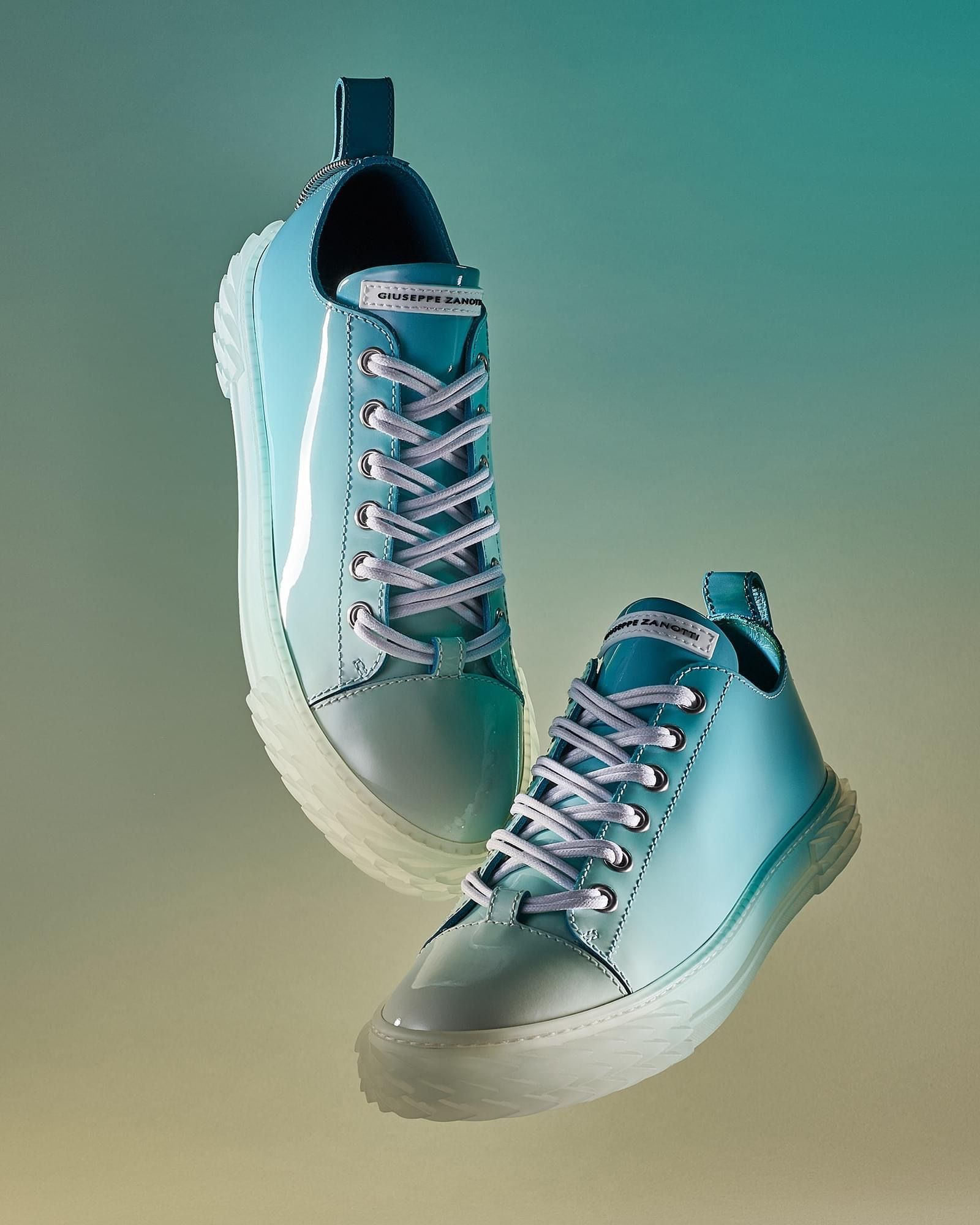
The BLABBER brand has always stood at the intersection of minimalist sophistication and emotional resonance—sleek forms paired with deeply soulful execution. Now, the storied fashion label is taking a bold leap into the future by leveraging artificial intelligence to completely reimagine its core collection through breakthrough gradient color technology. This collaboration between human designers and machine-learning algorithms represents one of the most compelling examples of how AI can enhance rather than replace creative vision in contemporary fashion.
By YEET Magazine Staff | Updated: May 13, 2026
The new BLABBER collection emerges from months of development using proprietary AI color-mapping systems that analyze thousands of aesthetic variables simultaneously. Unlike traditional gradient design—which often relies on designer intuition or historical color palettes—BLABBER's AI approach processed data from contemporary art movements, seasonal mood boards, consumer preference analytics, and even neurological studies on color perception. The result is a collection that feels both timeless and urgently modern, with gradient transitions that guide the eye in ways that feel almost intuitive to the wearer.
Understanding the AI-Driven Design Process Behind BLABBER
What makes BLABBER's approach particularly innovative is transparency in the AI integration. The brand didn't simply hand control to algorithms; instead, design director teams worked iteratively with machine-learning models trained on decades of BLABBER's archival work. The AI systems analyzed successful pieces from across the brand's history, identifying recurring color relationships, proportional harmonies, and visual rhythms that connected emotionally with audiences. This data became the foundation for generating hundreds of new gradient variations, each one optimized for visual impact while maintaining BLABBER's unmistakable aesthetic signature.
The gradient technology itself uses neural networks trained to predict how specific color transitions would perform across different lighting conditions, fabric compositions, and individual skin tones. This means that the same garment creates subtly different color experiences depending on context—a feature that BLABBER argues actually deepens the emotional connection between wearer and piece. The AI doesn't create the gradients from scratch; rather, it acts as an enhanced design assistant, suggesting transitions that human designers might never have considered but immediately recognize as perfect.
The Sleek Silhouettes Meet Soulful Color Innovation
BLABBER's core collection—defined by clean lines, impeccable tailoring, and understated luxury—has always prioritized form over decoration. The new gradient-infused pieces maintain this philosophy while dramatically expanding the emotional vocabulary of the garments. A classic BLABBER blazer, traditionally rendered in monochromatic navy or black, now emerges in flowing gradients that shift from deep charcoal to softer dove gray, creating dimension without sacrificing the brand's signature minimalism. Trousers feature subtle transitions from true black into warm charcoal tones. Even the iconic BLABBER shirt, famous for its perfect proportions and impeccable construction, now appears in palettes that flow from cool stone tones into warmer taupe finishes.
What's particularly remarkable is how the AI-selected gradients enhance rather than complicate the visual impact of BLABBER's designs. The algorithm prioritized color transitions that follow natural visual hierarchies—transitions that subconsciously guide attention toward the most flattering areas of the garment and wearer's silhouette. This is mathematics applied in service of beauty, computation enhancing soul rather than replacing it.
How Machine Learning Analyzed Fashion History for BLABBER's Future
The technical foundation of this project involved feeding AI systems comprehensive datasets including every BLABBER collection from the brand's archives, competitor analyses, emerging trends across global fashion capitals, and even historical color usage in high-fashion photography. Machine-learning models then identified patterns: which color combinations appeared most frequently in beloved pieces? How did successful gradients progress across the color spectrum? What psychological responses did certain transitions trigger in viewer studies? The AI synthesized this information to generate entirely new gradient possibilities that honored BLABBER's heritage while pushing toward genuinely novel territory.
Interestingly, the algorithm also detected "color phrases"—recurring gradient patterns that appeared across different eras and design movements. These represented an unconscious visual language that designers intuitively understood but had never explicitly documented. By surfacing these patterns, the AI essentially helped BLABBER articulate its own visual philosophy more clearly, enabling the design team to build upon it with newfound intentionality.
The Human-AI Creative Partnership Defining Modern Fashion
What distinguishes BLABBER's approach from gimmicky AI fashion experiments is the central role of human judgment and artistic intuition. The machine generates options; humans decide which options embody the brand's soul. Designers used the AI system not as a replacement for their expertise but as a tool for expanding the range of possibilities they could explore. This collaborative model—what some in the industry are calling "augmented design"—appears to represent the future of how technology integrates with high-fashion creation.
The BLABBER team conducted extensive testing of gradient options with focus groups, studying not just aesthetic preferences but also how different color transitions affected perceptions of fit, quality, and emotional resonance. Pieces that performed exceptionally well in these human evaluations made it into the final collection. Pieces that looked mathematically perfect but felt somehow soulless—lacking that ineffable BLABBER quality—were refined or discarded entirely.
Gradient Color Psychology and Wearable Experience
Beyond visual appeal, BLABBER worked with color psychology researchers to ensure that the gradient selections actually enhanced the wearing experience. Certain color progressions, the research suggested, could create subtle psychological effects: transitions moving from cool to warm tones might enhance feelings of approachability and openness, while gradients that subtly deepen could create an impression of quiet confidence and authority. BLABBER's AI system was trained to optimize for these psychological dimensions, meaning that wearing these pieces isn't just visually sophisticated—it potentially affects how both the wearer and observers experience the garment emotionally.
The gradient technology also had to account for real-world variables. How does a gradient appear under fluorescent office lighting versus natural sunlight? How does it photograph on Instagram versus appearing in person? The AI analyzed thousands of photo datasets to ensure the gradients maintained their visual integrity across contexts. This technical sophistication is invisible to the wearer—as the best design always is—but it represents months of computational analysis working in service of simple elegance.
Sustainability and Ethical AI in BLABBER's Production
BLABBER's partnership with AI color technology also enabled more sustainable production practices. By optimizing gradient designs before manufacturing, the brand significantly reduced sampling waste and color-matching iterations. The AI predicted which gradients would reproduce most efficiently across their manufacturing partners' equipment, meaning fewer failed batches and less environmental impact. This demonstrates how thoughtfully deployed AI doesn't just enhance aesthetics—it can drive meaningful improvements in a brand's environmental footprint.
The company has also committed to transparency regarding its AI usage, publishing white papers on their design methodology and how algorithmic decisions are made. In an industry often criticized for opacity and inaccessibility, BLABBER is attempting to model what ethical AI integration might look like—powerful enough to generate innovation but transparent enough for scrutiny and understanding.
The Collection's Reception and Fashion Industry Response
Early responses to the AI-enhanced BLABBER collection have been overwhelmingly positive, with fashion critics praising the pieces for their sophisticated color work while noting that the brand's essential character remained completely intact. Some reviewers specifically commented that the gradients felt "naturally inevitable"—as if these color transitions had always been part of BLABBER's DNA but simply hadn't been discovered yet. This response validates the brand's approach: the AI enhanced creative possibilities without imposing a visible computational aesthetic.
Industry observers have noted that BLABBER's model might represent a template for how luxury fashion can responsibly integrate AI technology. Rather than using algorithms to automate design (the approach that typically produces generic, forgettable results), BLABBER used them