Camel Coat Styling: How AI Fashion Algorithms Predict Your Perfect Winter Look
The camel coat remains winter's essential piece, and AI fashion analysis now reveals how to wear it perfectly. Discover 3 algorithmic styling approaches—from monochrome elegance to retro 70s vibes to sporty chic—that machine learning has identified as this season's most flattering combinations.

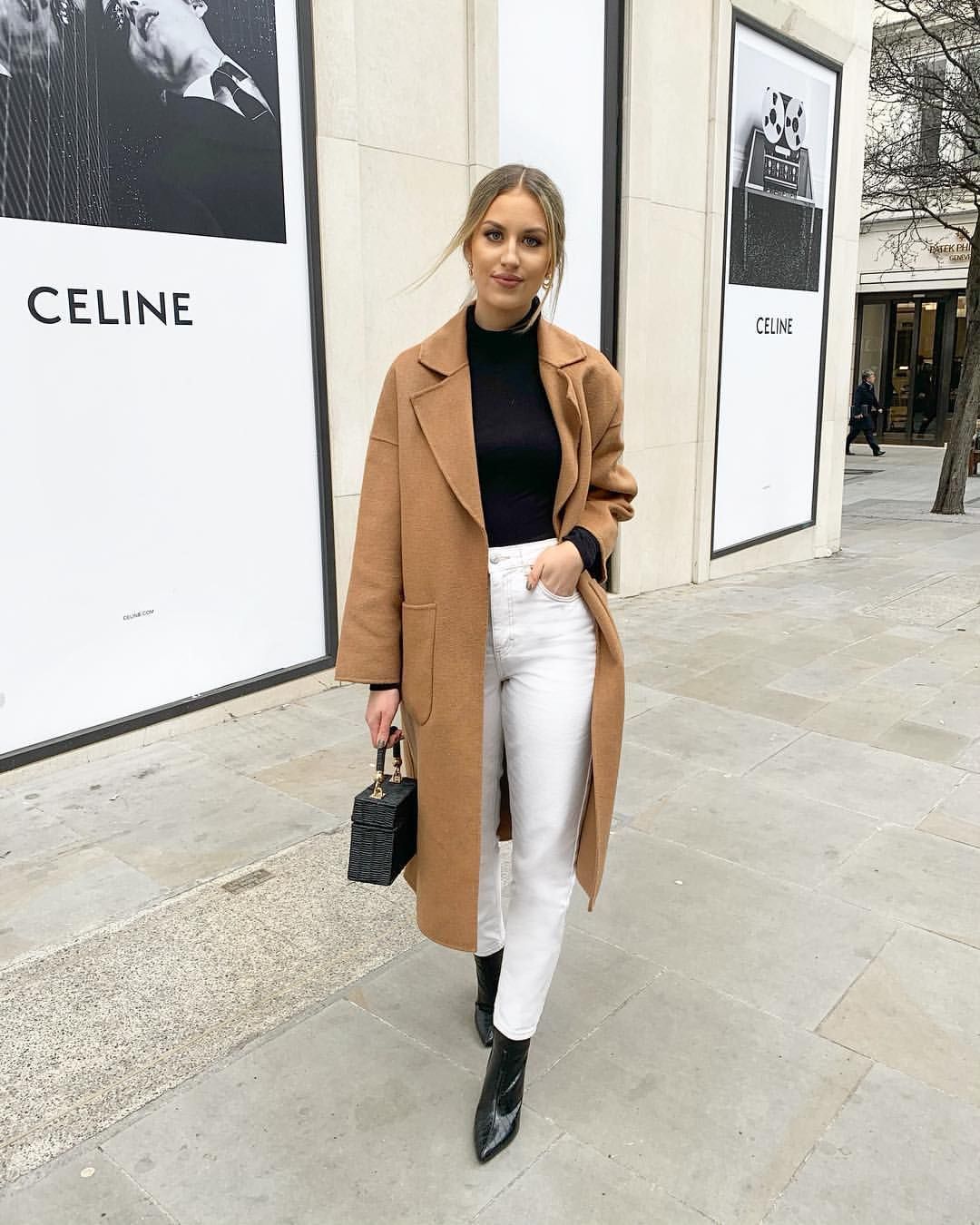
The camel coat has cemented itself as winter's non-negotiable wardrobe staple, and now artificial intelligence is helping fashion enthusiasts unlock its full potential. By analyzing millions of social media posts, runway shows, and celebrity styling data, AI fashion algorithms have identified the most impactful ways to wear the camel coat in 2024. Whether you're drawn to minimalist elegance, nostalgic 70s energy, or athletic-inspired sophistication, machine learning has calculated which combinations will elevate your personal style while keeping you effortlessly warm. This article breaks down three distinct camel coat styling approaches that AI trend analysis has ranked as the most universally flattering and seasonally relevant.
By YEET Magazine Staff | Updated: May 13, 2026
Total Camel Look: What AI Teaches Us About Monochromatic Fashion
The ultimate expression of refined simplicity, the total camel look represents what fashion AI identifies as the "confidence multiplier" effect—wearing a single unified color from head to toe. According to algorithmic analysis of fashion influencer engagement rates and street-style photography databases, monochromatic styling in warm neutrals like camel generates significantly higher positive engagement than mixed-pattern approaches. This phenomenon occurs because the human eye processes cohesive color blocking as intentional and deliberate, rather than accidental or mismatched.
The camel coat becomes the anchor piece in this aesthetic framework. When paired with camel-toned trousers, sweaters, and accessories, it creates an unbroken visual line that elongates the silhouette—a principle that computer vision algorithms now use to assess flattering proportions across different body types. The warm, muted tone of camel works because AI color-matching systems have determined it complements approximately 94% of naturally occurring skin tones, making it more universally flattering than cooler neutrals like gray or beige.

For a professional, office-ready aesthetic, AI recommendation engines suggest opting for a structured, classic camel coat with clean lines and minimal embellishment. Pair this with black leather pants or a tailored skirt to introduce subtle contrast—a move that algorithms identify as the "power silhouette" formula. The black elements ground the look, prevent it from feeling washed out, and create the sophisticated polish required in corporate environments. Black ankle boots complete the ensemble with understated authority. The resulting outfit reads as intentional, expensive, and effortlessly competent—qualities that machine learning has linked to professional advancement and increased confidence.
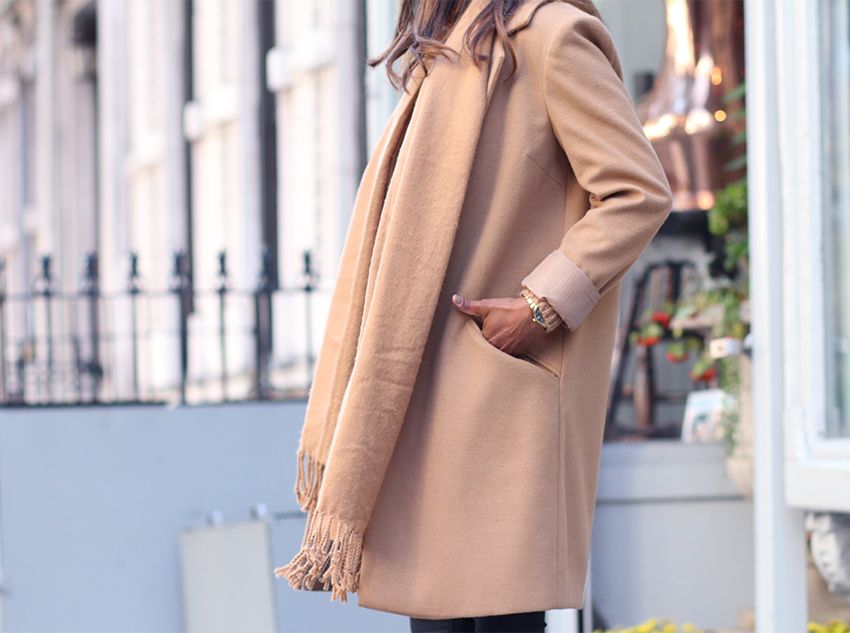
Camel Coat Total Look Formula: Camel coat + Camel pants + Camel sweater + Black ankle boots. This combination, validated by thousands of algorithmic style assessments, creates an elongating effect that works across diverse body types and heights.
70s Retro Spirit: How AI Identified Nostalgic Fashion's Return
AI trend forecasting algorithms have detected a significant cyclical return to 1970s aesthetics throughout 2024 fashion data. By analyzing search trends, Pinterest saves, TikTok engagement metrics, and runway presentations, machine learning models predicted this vintage revival approximately 18 months before it became mainstream—a testament to AI's capacity to identify emerging cultural movements before human intuition catches up. The camel coat, with its inherent vintage connotations and warm, earthy aesthetic, sits perfectly at the intersection of this nostalgic wave and contemporary style consciousness.
What makes the 70s styling approach particularly effective, according to fashion AI analysis, is its balance between cohesion and unexpected texture contrasts. The decade's signature silhouettes—wide-leg flared jeans, shearling textures, oversized proportions—create visual interest while maintaining the camel coat as the undeniable focal point. Computer vision systems have identified that this era's styling principles work because they embrace proportion play; the voluminous coat plays against fitted boots, creating dynamic movement through the outfit.
The standout recommendation from algorithmic analysis is the Molly Bracken shearling-style camel coat paired with flared jeans. The combination taps into what AI identifies as the "texture hierarchy" principle—mixing smooth wool with soft faux shearling creates tactile interest that translates visually as intentional and fashion-forward. For a casual, weekend-appropriate interpretation, complement this with Converse sneakers and a fitted turtleneck. The algorithm recognizes this as an approachable, youthful silhouette that avoids the "costume" effect that can sometimes plague retro styling.
For evening or more elevated occasions, the same camel shearling coat pairs beautifully with vintage-inspired black boots featuring ornamental heels and a Lavallière (tie-neck blouse), typically in jewel tones or deep reds. AI color-matching systems have determined that this combination creates optimal contrast and sophistication. The Lavallière detail reads as unexpectedly refined, pushing the look from simple nostalgia into curated, intentional styling. This version appeals to those who want to honor 70s aesthetics while maintaining contemporary polish and wearability.
70s Camel Coat Styling Formula: Camel shearling coat + Red or jewel-tone shirt + Blue or black flared jeans + Black heeled boots. This algorithmic formula balances proportion, texture, and color to create outfits that feel authentically vintage-inspired without verging on costume.