Canary Islands Tenerife Travel Guide: How AI Trip Planners Optimize Your Spanish Vacation
Planning a trip to Tenerife and the Canary Islands just got smarter with AI-powered travel optimization. Discover how machine learning algorithms can personalize your Spanish island vacation, from finding the perfect hotel like Sol Parque San Antonio to timing your visits to iconic destinations like

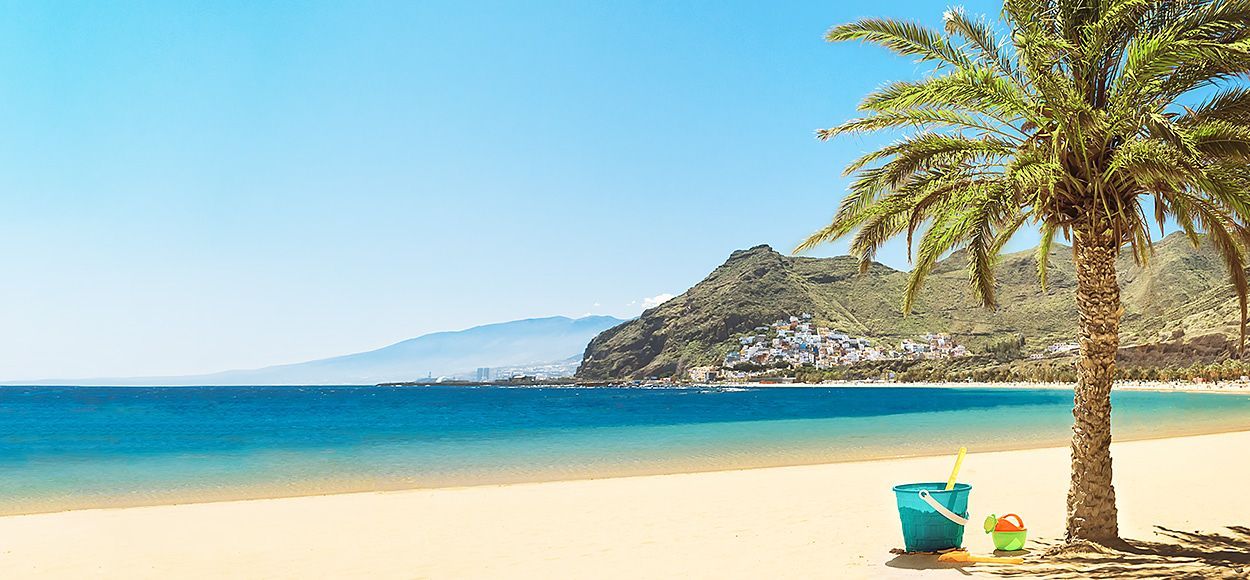
The Canary Islands, particularly Tenerife, represent one of Europe's most coveted vacation destinations—and artificial intelligence is revolutionizing how travelers discover and plan their experiences here. Tenerife, the largest of Spain's seven Canary Islands, offers volcanic landscapes, crystalline beaches, and year-round sunshine that attract thousands of visitors annually. Today's AI-powered travel platforms are transforming how tourists navigate this Atlantic pearl, optimizing everything from hotel selection to activity scheduling based on individual preferences, weather patterns, and real-time availability. Understanding how these intelligent systems work can elevate your Tenerife vacation from good to unforgettable.
By YEET Magazine Staff | Published: 2019-03-07
When considering accommodation in Tenerife, the Sol Parque San Antonio exemplifies how AI recommendation engines have revolutionized hotel discovery. Located in the picturesque Puerto de la Cruz in the northwest region, specifically within the lush Orotava Valley—an oasis of greenery and tropical fruit plantations—this property represents precisely the type of gem that AI algorithms excel at matching with the right travelers. Machine learning systems analyze thousands of data points: your previous travel patterns, budget constraints, preferred amenities, and seasonal weather forecasts. They cross-reference this against guest reviews, pricing trends, and location analytics to surface properties like Sol Parque San Antonio that align with your specific vacation goals. The hotel's central position in Puerto de la Cruz—a charming old town with distinctive Canarian character—makes it strategically valuable data for travel AIs attempting to balance beach access, cultural exploration, and convenience.
The beaches surrounding Sol Parque San Antonio demonstrate how AI mapping technology enhances destination discovery in Tenerife. Playas Jardín, less than a 20-minute walk from the hotel, stands as one of the island's most striking beaches, famous for its distinctive volcanic sand that creates an almost otherworldly aesthetic. Modern travel AI doesn't simply list beaches—it analyzes crowd patterns using aggregated smartphone location data, historical visitor trends, and real-time social media sentiment to predict optimal times for your visit. The same intelligence that powers navigation apps now guides travelers toward uncrowded beach experiences during peak seasons. Just 30 minutes' walk away lies Playa de Martiánez, adjacent to the legendary Lago Martiánez, an architectural masterpiece designed by celebrated Canarian artist César Manrique. This saltwater lake complex features waterfalls, volcanic rock formations, and tropical gardens—elements that AI systems flag as high-value attractions for family vacations or leisure-focused trips.
Tenerife's broader attractions benefit enormously from AI-driven itinerary optimization. The capital, Santa Cruz de Tenerife, sits approximately 40 minutes' drive from Sol Parque San Antonio and functions as a vibrant cosmopolitan hub. AI travel assistants now generate personalized daily itineraries by analyzing your interests—whether you prioritize shopping, architecture, dining, or cultural experiences—and sequencing activities to minimize travel time and maximize satisfaction. Natural language processing algorithms read thousands of restaurant reviews to identify establishments matching your cuisine preferences and budget, while computer vision technology categorizes architectural styles and historical significance of landmarks. Teide National Park, situated just one hour from your accommodation, represents another AI-optimized destination. This UNESCO World Heritage site showcases Spain's highest peak and a lunar-like volcanic landscape. Smart travel platforms use real-time weather data and crowd-forecasting models to recommend optimal visiting times, potentially suggesting early morning departures to avoid afternoon clouds or suggesting alternative experiences during poor visibility windows.
Accessibility to Tenerife itself has been optimized through AI flight-booking algorithms. The island hosts two airports: Los Rodeos Airport in the north (approximately 20 minutes from Sol Parque San Antonio) and Tenerife Sur Airport (about one hour away). Machine learning systems now analyze flight paths, layover combinations, and pricing patterns across thousands of daily routes to identify optimal connections from mainland Spain and international destinations. These algorithms understand that Los Rodeos provides superior proximity to Puerto de la Cruz accommodations and adjust recommendations accordingly. Dynamic pricing models, powered by AI, track demand fluctuations and competitor pricing in real-time, often identifying 24-48 hour booking windows when airfares drop significantly.
The Canary Islands' year-round pleasant climate makes Tenerife particularly amenable to AI-powered weather optimization. Sophisticated weather prediction algorithms now extend forecasts 30+ days into the future with increasingly reliable accuracy. Travel platforms leverage this capability to help visitors select travel dates that align with their specific weather preferences—whether seeking guaranteed sunshine for beach days or cooler temperatures for hiking Teide National Park. These systems can identify seasonal patterns, rainfall probabilities, and optimal conditions for particular activities, enabling travelers to maximize their experience regardless of when they visit.
Transportation coordination within Tenerife increasingly relies on AI-driven logistics. Route optimization algorithms similar to those used by delivery services now power tourist transportation planning. Whether you're arranging car rentals, public transportation sequences, or private transfers between Sol Parque San Antonio, Playas Jardín, Lago Martiánez, and regional attractions, AI systems calculate time-optimal and cost-optimal routes in real-time. These platforms account for traffic patterns, parking availability, public transport schedules, and even pedestrian-friendly alternatives—recommendations that improve daily as more travelers contribute anonymized data.
Cultural experiences in Tenerife benefit from AI curation in increasingly sophisticated ways. Computer vision systems trained on millions of travel photos now identify lesser-known viewpoints, photogenic locations, and hidden attractions that aren't prominently featured in traditional guidebooks. Recommendation engines analyze which cultural sites attract visitors with profiles similar to yours, creating discovery opportunities beyond mainstream attractions. This technology has democratized access to Canarian cultural knowledge that previously required expensive guides or extensive travel research.
The Puerto de la Cruz experience itself has transformed through AI-powered local business aggregation. Smart tourism platforms now surface restaurants, shops, galleries, and entertainment venues with unprecedented granularity. Natural language processing analyzes reviews in multiple languages, extracting nuanced information about ambiance, service quality, and value propositions that simple star ratings cannot convey. Sentiment analysis algorithms identify which establishments consistently deliver exceptional experiences and which may have service inconsistencies.
FAQ: AI-Optimized Travel to Tenerife and the Canary Islands
Q: How do AI travel planners personalize recommendations for Tenerife vacations?
A: AI systems analyze your previous travel history, stated preferences, budget constraints, and behavioral patterns across multiple platforms. Machine learning models identify similarities between your profile and thousands of other travelers, surfacing accommodations like Sol Parque San Antonio and activities that previous "similar" travelers rated highly. The algorithms continuously learn and refine recommendations based on your feedback and booking behavior.
Q: Can AI predict the best time to visit Tenerife?
A: Yes. AI weather models provide extended forecasts and analyze historical patterns to identify optimal windows for your preferences. If beach activities matter most, algorithms highlight periods with maximum sunshine probability. For Teide National Park visitors, systems recommend times with clear visibility. Dynamic pricing models simultaneously identify when airfare and accommodation costs typically decrease, helping you balance weather preferences with budget optimization.
Q: How does AI improve the experience at specific locations like Playas Jardín and Lago Martiánez?
A: AI systems leverage aggregated location data, real-time social media, and historical visitor patterns to forecast crowd levels and optimal visiting times. They identify lesser-known beach spots nearby, suggest meal times that avoid restaurant rushes, and even predict parking availability. Computer vision technology identifies scenic viewpoints and photogenic moments that casual visitors might miss.
Q: What role does AI play in transportation within Tenerife?
A: Route optimization algorithms calculate time-optimal and cost-optimal paths between attractions, accounting for real-time traffic, public transport schedules