France's Cannes Eco-Museum: How AI Mapping Technology Reveals John DeCaires Taylor's Underwater Sculptures
France's groundbreaking eco-museum near Cannes features six underwater sculptures by British artist John DeCaires Taylor. Discover how AI mapping and drone technology help visitors locate and explore these submerged artworks while supporting marine ecosystem restoration.

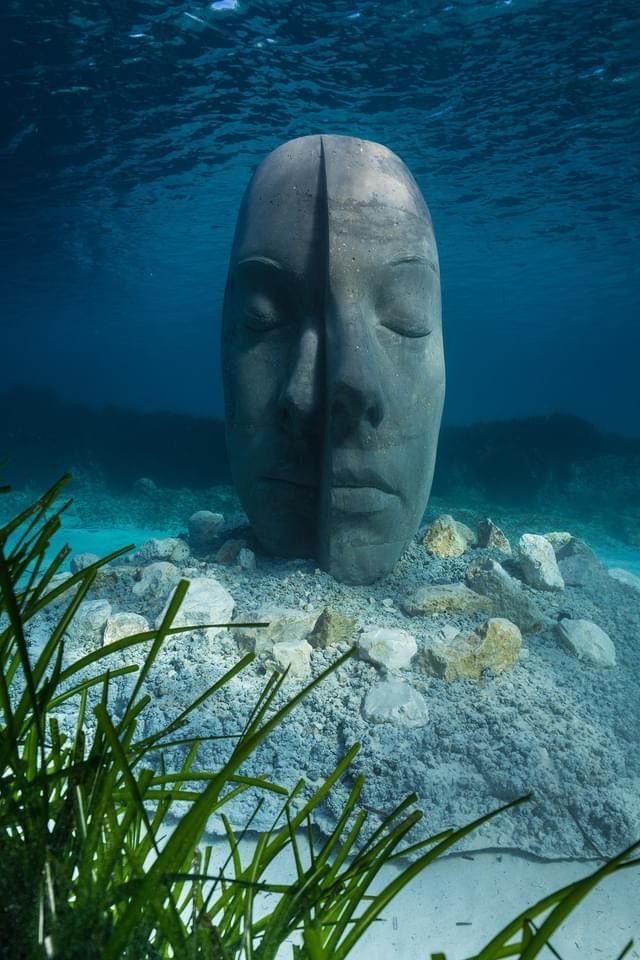
France's newest underwater eco-museum represents a fascinating intersection of contemporary art, environmental conservation, and cutting-edge technology. Located between two islands near Cannes, this innovative installation features six monumental sculptures created by internationally renowned British artist John DeCaires Taylor—and artificial intelligence is playing an increasingly vital role in how visitors discover and interact with this submerged gallery.
By YEET Magazine Staff | Updated: May 13, 2026 | Originally published: January 30, 2021
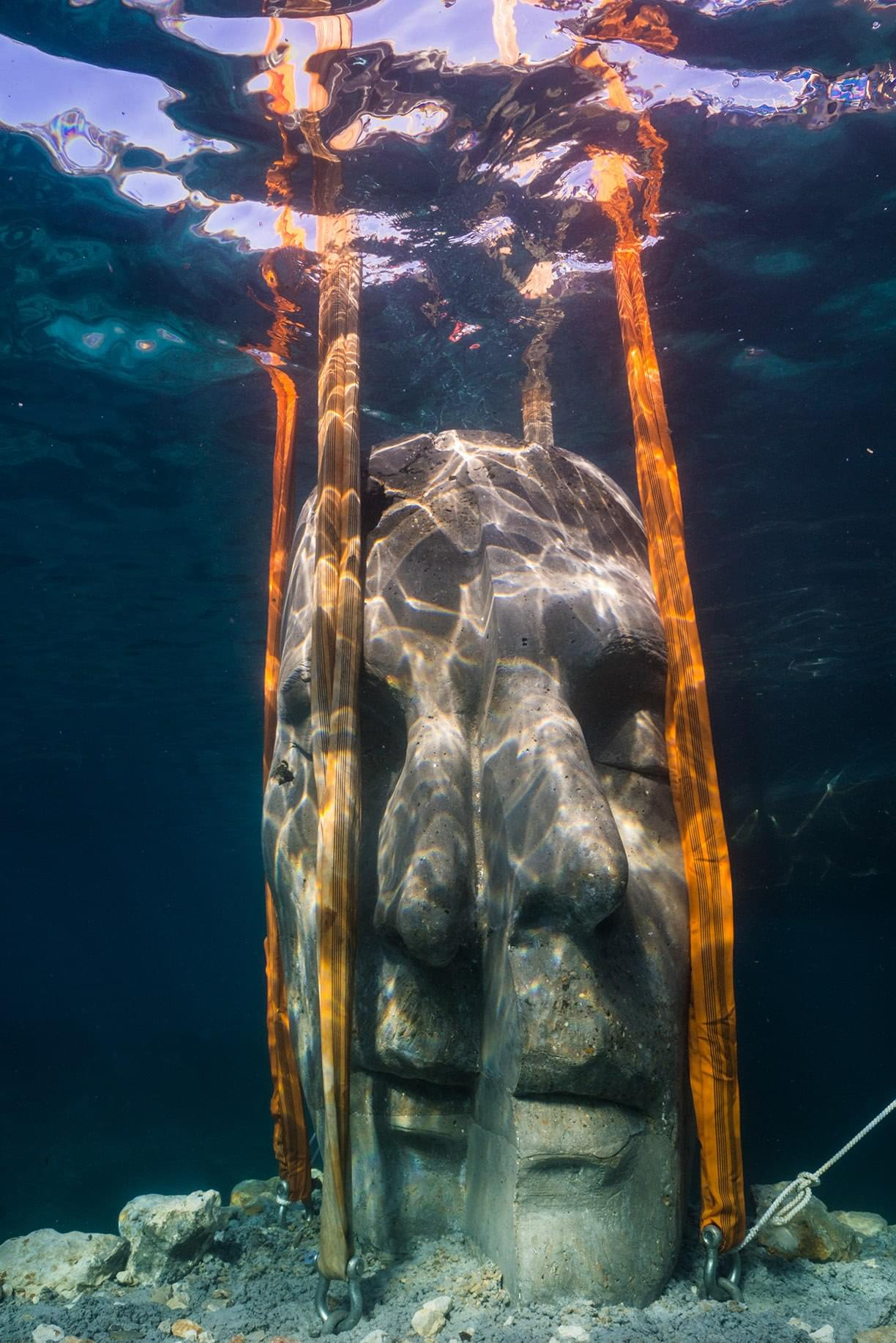
John DeCaires Taylor's underwater sculptures have garnered global acclaim for their unique ability to merge fine art with marine restoration. The six newly installed pieces near Cannes represent his latest exploration into how human creativity can coexist with natural ecosystem recovery. Each sculpture is a cast of actual faces from Cannes residents, transformed into striking masks that serve dual purposes: they function as powerful artistic statements while simultaneously acting as artificial reefs for marine biodiversity.
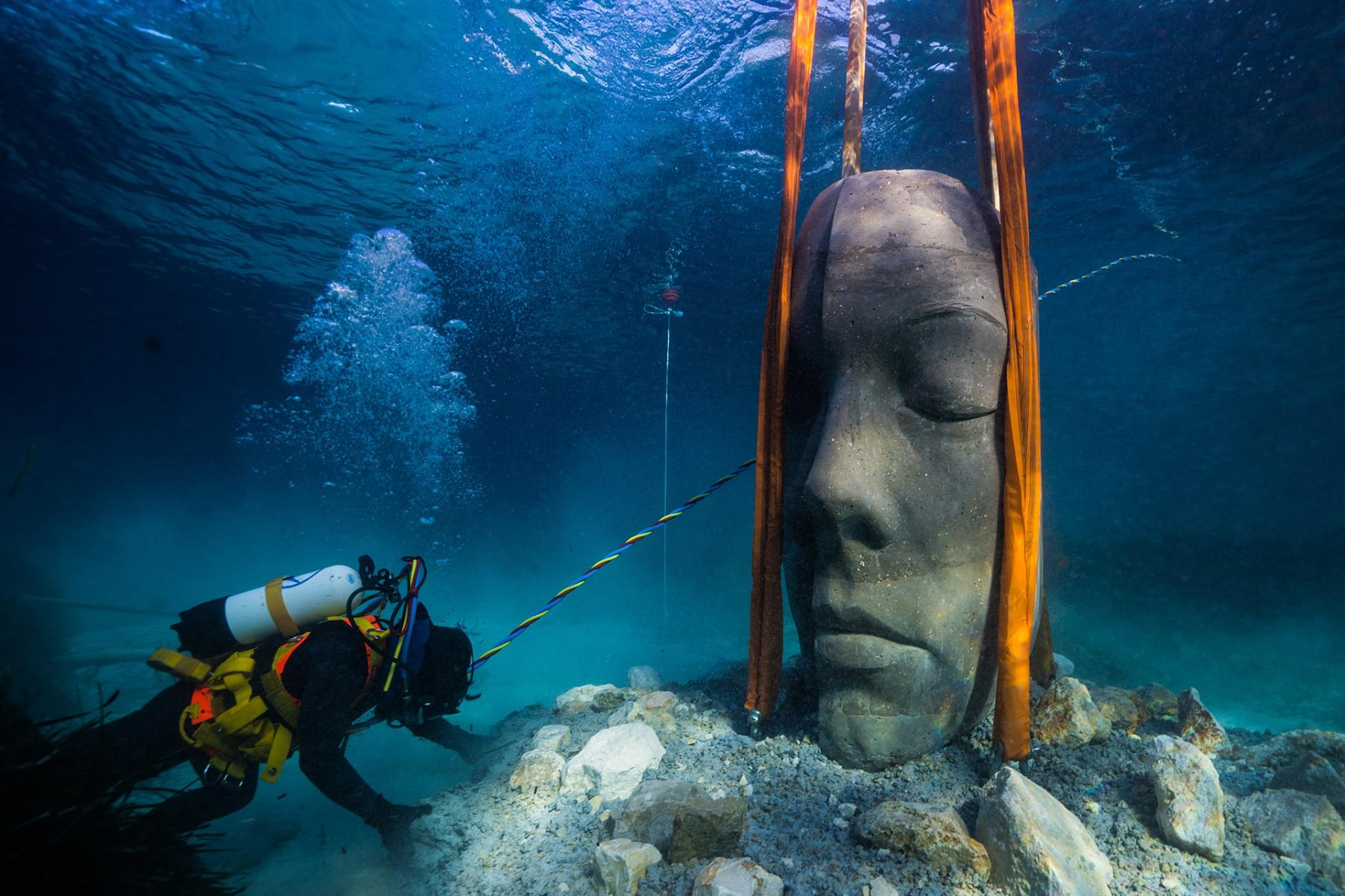
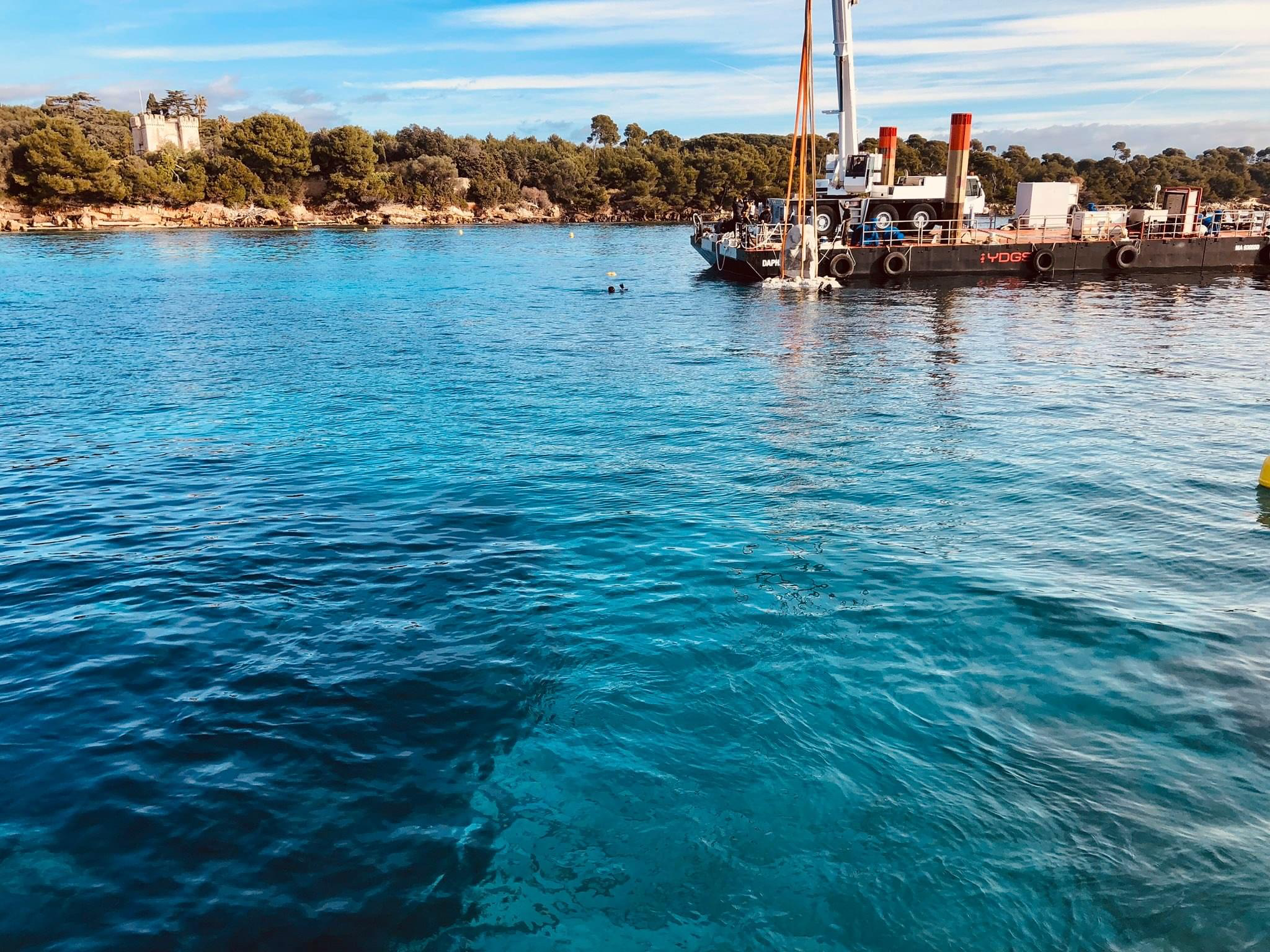
To experience John DeCaires Taylor's collection firsthand, visitors begin at the Grand-Jardin beach on Île Sainte-Marguerite. From there, they swim approximately 30-40 meters offshore before diving down 3 to 4 meters to encounter the sculptures on the seabed. However, modern technology has revolutionized the visitor experience. AI-powered mapping applications now help divers and snorkelers pinpoint exact locations of each piece, calculate optimal diving routes, and identify the best times for underwater viewing based on water clarity, currents, and weather conditions.
The ecological material used to construct John DeCaires Taylor's sculptures wasn't chosen arbitrarily. These biodegradable and environmentally-compatible materials create ideal surfaces for marine organism colonization. Within months of installation, the sculptures become living habitats—encrusted with coral, algae, sponges, and teeming with fish populations. Machine learning algorithms now track this ecological transformation, analyzing thousands of underwater photographs to monitor biodiversity growth rates and ecosystem health metrics in real-time.
What makes this Cannes eco-museum truly revolutionary is how artificial intelligence enhances conservation efforts. Underwater drones equipped with AI vision systems conduct regular surveys of John DeCaires Taylor's sculptures, automatically documenting species presence, calculating biodiversity indices, and detecting any structural changes or damage. This continuous monitoring ensures the artworks remain stable while providing researchers with unprecedented data about how submerged art installations influence marine ecosystem development.
The sanctuary has been significantly expanded to accommodate growing interest in John DeCaires Taylor's work. Swimming areas have been enlarged, safety protocols enhanced, and guided experiences developed. Interestingly, AI chatbots now provide pre-dive education about each sculpture's symbolism, DeCaires Taylor's artistic philosophy, and proper procedures for responsible underwater art viewing. These virtual assistants have dramatically improved visitor preparedness and environmental awareness.
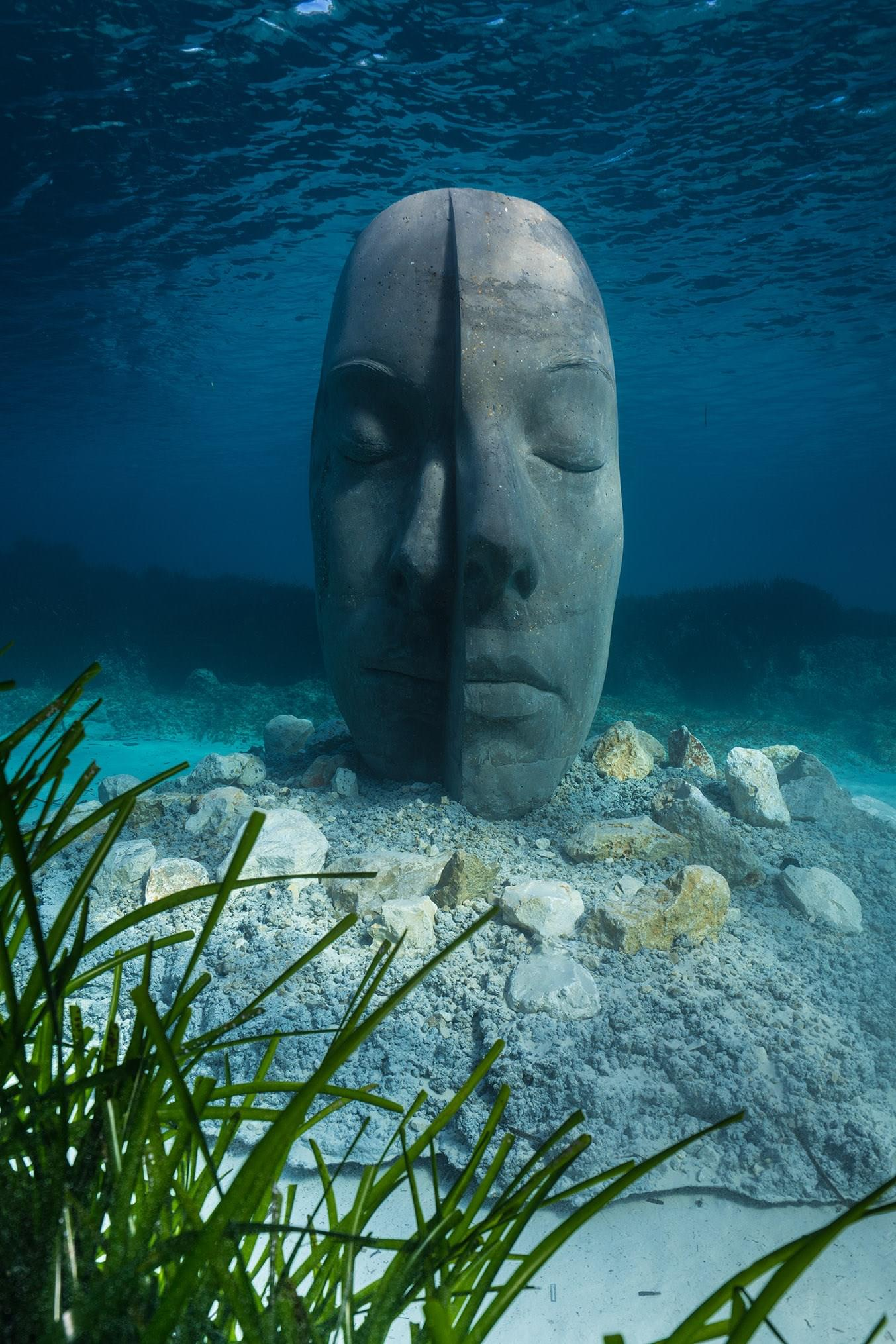
The six masks created by John DeCaires Taylor represent something profoundly meaningful—they capture the faces of Cannes residents and submerge them into the ocean, creating a bridge between human identity and marine nature. Each piece tells a story while simultaneously becoming a canvas for ecological restoration. Advanced facial recognition technology has even been employed to help create accurate casts, with AI algorithms analyzing facial proportions and ensuring anatomical precision before casting begins.
From a tourism perspective, this integration of John DeCaires Taylor's art with AI technology has created an unprecedented model for sustainable cultural experiences. Visitor numbers are precisely managed through AI-driven booking systems that prevent overcrowding while ensuring each person has an optimal viewing experience. The technology considers water conditions, tide schedules, and daily capacity limits to distribute visitors intelligently across available time slots.
The environmental impact of John DeCaires Taylor's Cannes installation extends beyond the immediate vicinity. Predictive AI models analyze how sculpted habitats influence fish migration patterns, breeding behaviors, and population dynamics across the broader Mediterranean ecosystem. This data contributes to marine conservation strategies that reach far beyond this single installation, potentially informing how future underwater art projects are designed.
For art enthusiasts, conservationists, and technology advocates alike, the Cannes eco-museum represents a stunning demonstration of how creativity and innovation converge. John DeCaires Taylor's sculptures are no longer simply static artworks—they're dynamic, data-generating ecosystems continuously analyzed and optimized through artificial intelligence. The submerged faces gaze upward from the seabed, while above the surface, sophisticated algorithms work tirelessly to protect both the art and the marine life that colonizes it.
Frequently Asked Questions About the Cannes Eco-Museum and John DeCaires Taylor's Sculptures
Q: How deep do I need to dive to see John DeCaires Taylor's sculptures?
A: The sculptures are located 3 to 4 meters underwater, making them accessible to recreational divers and experienced snorkelers. AI diving apps can help plan your descent and surface routes.
Q: What makes John DeCaires Taylor's sculptures different from other underwater art?
A: DeCaires Taylor's work combines fine art with ecological engineering. His sculptures actively support marine biodiversity while serving as powerful artistic statements about human connection to nature.
Q: How does AI technology enhance the visitor experience?
A: Artificial intelligence powers location mapping systems, environmental monitoring, pre-dive education chatbots, and visitor flow management—ensuring both safety and educational value for every guest.
Q: Are the sculptures harmful to marine life?
A: Absolutely not. The ecological materials used in John DeCaires Taylor's sculptures actively promote coral growth, algae colonization, and fish habitation, creating thriving reef ecosystems.
Q: How often are the sculptures monitored?
A: AI-equipped underwater drones conduct regular surveys to track biodiversity, structural integrity, and ecosystem development around John DeCaires Taylor's artworks.
Q: Can I visit the eco-museum year-round?
A: Seasonal considerations apply. AI-powered booking systems recommend optimal visiting periods based on water conditions, weather, and marine ecosystem activity patterns.
Q: Are there guided tours of John DeCaires Taylor's sculptures?
A: Yes. The expanded sanctuary offers guided experiences with trained professionals who explain DeCaires Taylor's artistic vision and provide marine conservation education