Cartier's Coloratura High Jewelry Collection Meets AI-Powered Design Innovation
Cartier's Coloratura High Jewelry Collection represents a masterclass in color and movement—now enhanced by AI-driven design systems that optimize stone selection and placement across 240 exquisite pieces.

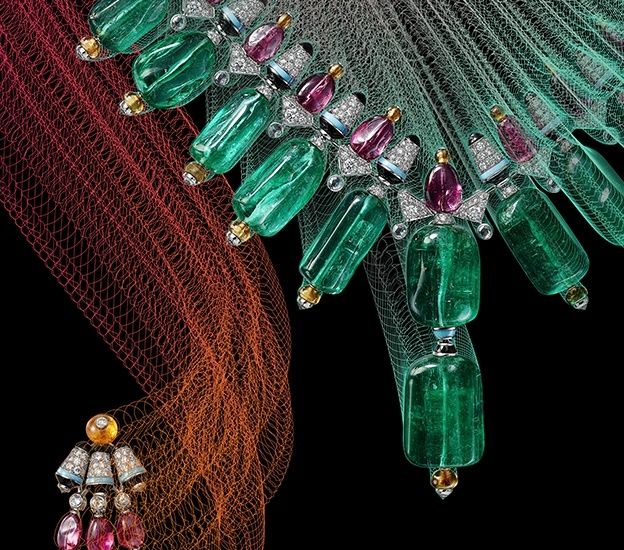
Cartier's Coloratura High Jewelry Collection has long been celebrated for its mastery of color, movement, and meticulous craftsmanship—but here's where it gets interesting for 2024: the intersection of traditional jewelry artistry and artificial intelligence is transforming how luxury brands conceptualize, design, and produce these 240 exquisite pieces.
By YEET Magazine Staff | Published: 2018-07-18
The AI Revolution in Luxury Jewelry Design
While Cartier's master jewelers have historically relied on intuition and decades of experience to pair gemstones, an emerging trend in the luxury sector now includes AI-assisted color theory and design optimization. Machine learning algorithms can analyze the light-reflection properties of hundreds of gemstones, predict optimal color pairings, and suggest innovative combinations that might escape even the most seasoned designer's eye. For the Coloratura collection, imagine AI systems scanning thousands of stone combinations to identify those dynamic pairings and energetic hues that define the collection's signature aesthetic.
The 240 pieces in Coloratura awaken new provocations through intelligent color matching—a process that benefits enormously from AI's ability to process global color palettes simultaneously. The collection draws inspiration from four corners of the globe: the bold contrasts of Asia, the subtle palettes of Japan, the vivid shades of India, and the dynamic tones of Africa. AI systems trained on cultural color theory can help jewelers understand how these regional palettes complement one another, creating pieces that honor multiple traditions while maintaining cohesive design narratives.

Stone Colors: Where AI Meets Gemology
Enter the intersection where the sky meets the horizon, colors collide, and algorithms optimize beauty. From the bold contrasts of Asia to the subtle palettes of Japan, vivid shades of India, and dynamic tones of Africa, Cartier's stunning prism of colors is now evolving and multiplying with each collection—with AI playing an increasingly sophisticated role in selection and pairing.
Traditional gemologists spend years learning color grading; AI can instantly cross-reference thousands of stones against spectral data, cultural color preferences, and design parameters. This doesn't replace human expertise—it amplifies it. A master jeweler uses AI insights to make faster, more informed decisions about which emerald complements which sapphire, which ruby harmonizes with which pearl. The result? The Coloratura collection's signature dynamic pairings become more intentional, more globally informed, and more precisely executed than ever before.
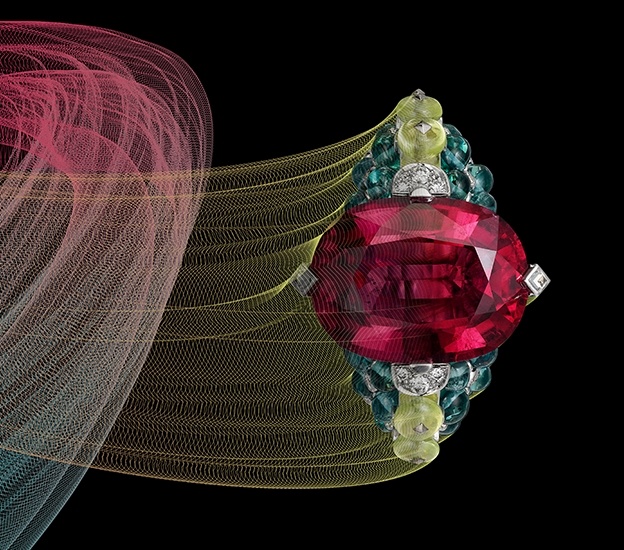
Style: Infinite Movement Powered by Intelligent Design
With Coloratura, Cartier unleashes a radiant manifestation of infinite movement and creation—now informed by data-driven design principles. Driven by universal curiosity, Cartier's master jewelers continue to uncover bold new techniques, and that curiosity is increasingly complemented by machine learning systems that identify novel design directions.
AI doesn't create the jewelry; it enhances the creative process. Generative design systems can propose hundreds of compositional variations based on established aesthetic principles, which jewelers then refine and select from. This collaborative approach between human artistry and algorithmic suggestion accelerates innovation while maintaining the hand-crafted integrity that defines luxury jewelry. The Coloratura collection exemplifies this symbiosis: each piece retains the soul of traditional craftsmanship while benefiting from computational precision in design optimization.
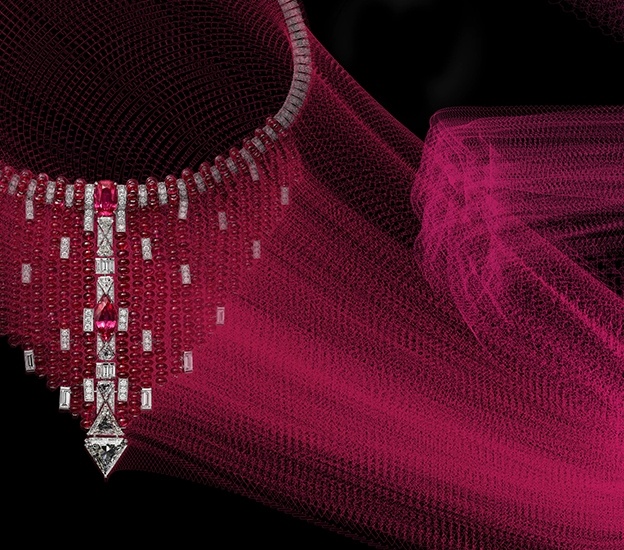
The Future of Luxury: AI-Enhanced Artistry
What makes Coloratura resonate in 2024 isn't just its 240 pieces or its global color inspiration—it's the subtle recognition that luxury craftsmanship and artificial intelligence aren't opposites. They're increasingly complementary. AI handles the computational heavy lifting: color theory analysis, pattern recognition, optimization across vast datasets. Human artisans handle what machines cannot: the vision, the emotional resonance, the intuitive leaps that transform a beautiful object into a treasured heirloom.
As the jewelry industry evolves, we'll see more collections like Coloratura that leverage AI for design research, gemstone matching, and production optimization—all while maintaining the hand-finished excellence and artistic vision that define true luxury. The future of high jewelry isn't human OR machine; it's human AND machine, working in intimate dialog the way Cartier describes the relationship between stones, colors, and global inspiration.
FAQ: Coloratura, AI, and Luxury Jewelry Design
Does AI actually design Cartier jewelry?
No. Cartier's master jewelers design each piece. AI serves as an advanced tool for research, analysis, and optimization—similar to how CAD software enhanced jewelry design decades ago. The creative vision remains entirely human.
How does AI improve color selection in gemstones?
Machine learning systems analyze spectral properties, light refraction, cultural color preferences, and design compatibility across thousands of stones simultaneously. This accelerates the selection process and can suggest unexpected pairings that complement established design principles.
Will AI make luxury jewelry less exclusive?
Quite the opposite. AI-enhanced design processes can increase production efficiency while maintaining scarcity—fewer pieces made faster, with higher precision. The exclusivity remains tied to materials, craftsmanship, and heritage, not design time.
What about the "handmade" factor in luxury jewelry?
True luxury jewelry has always combined tools with craftsmanship—from the introduction of the jeweler's loupe to modern CAD systems. AI is simply the latest tool in that continuum. The actual assembly, finishing, and quality control remain entirely hands-on.
Explore Further:
- Cartier Official Coloratura Collection
- AI in Luxury Fashion: The Design Revolution
- How Machine Learning Optimizes Gemstone Matching
- The Future of Artisanal Craftsmanship in the AI Era