Cinema Pathé's Bed Seats: How AI Personalization is Reshaping Luxury Theater Experiences
Cinema Pathé in Switzerland revolutionized moviegoing by replacing traditional seats with comfortable twin-sized beds. Now, emerging AI and automation technologies are taking this concept further by learning viewer preferences and optimizing personalized comfort settings in real time.

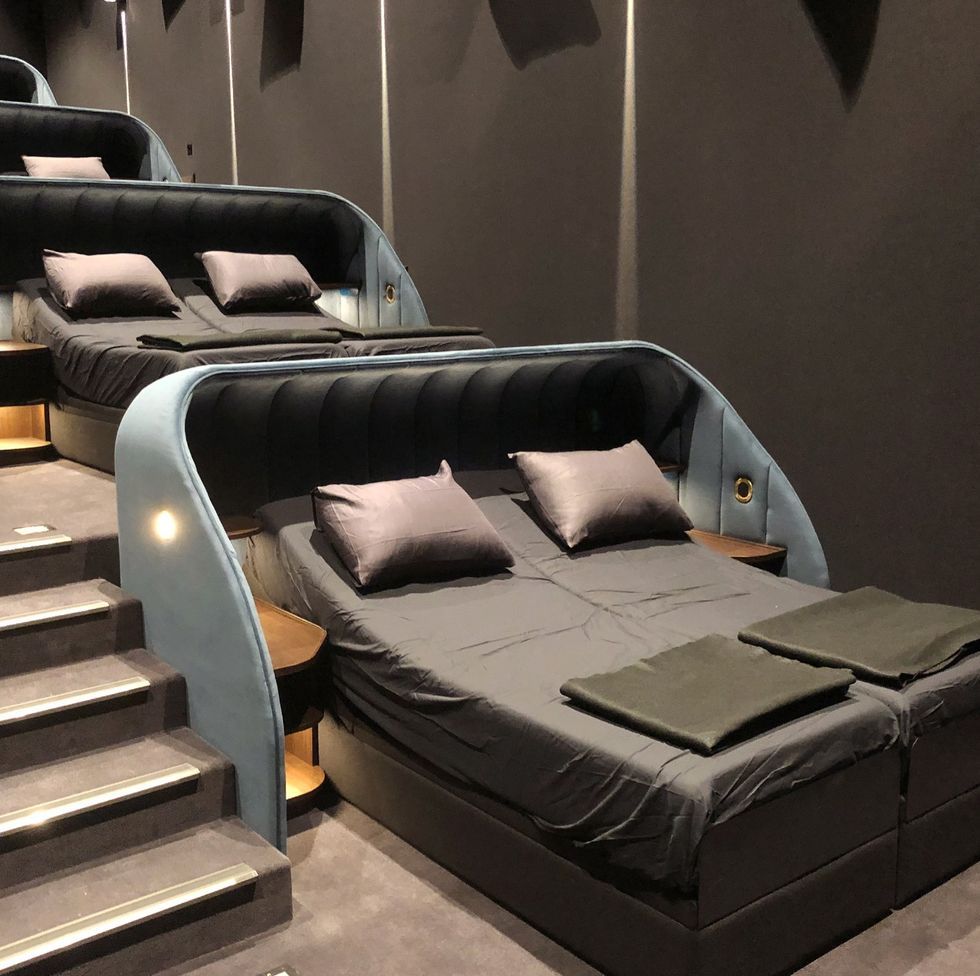
Cinema Pathé, the innovative Swiss theater chain, has fundamentally reimagined what a premium movie experience looks like—and now artificial intelligence is poised to take this disruption even further. The theater's "VIP bedroom" screening room represents a radical departure from conventional cinema design, featuring reclining beds instead of traditional movie seats. But as Cinema Pathé continues to lead the charge in experiential entertainment, AI-driven personalization technologies are beginning to reshape how luxury theaters like this one can deliver hyper-customized comfort to every guest.
By YEET Magazine Staff | Published: 2019-10-06
The VIP bedroom concept at Cinema Pathé is deceptively simple yet profoundly transformative. Rather than the standard fixed seating arrangement found in traditional multiplexes, this exclusive screening room features twin-sized beds positioned throughout the space—complete with premium soft bedsheets, adjustable headrests, and cozy blankets. Each section contains two beds per booking, allowing couples or friends to enjoy films together while maintaining generous legroom and personalized reclining space. This design philosophy fundamentally challenges the assumption that movie theaters must prioritize capacity and standardization over genuine comfort and individual preference.
For moviegoers willing to invest $48.50 per ticket, Cinema Pathé delivers an all-inclusive luxury experience that extends far beyond basic seating. The package includes complimentary premium drinks and gourmet snacks, heated slippers for added coziness, and bedside tables—essentially transforming the theater into a hybrid between a cinema and a high-end hotel bedroom. This attention to ambient comfort details demonstrates how Cinema Pathé understands that modern audiences increasingly expect entertainment venues to function as holistic wellness experiences rather than mere projection spaces.
Where AI technology enters this equation is particularly fascinating. As theaters like Cinema Pathé collect data on viewer preferences—from preferred bed firmness and headrest angles to snack selections, temperature settings, and viewing distance preferences—machine learning algorithms can begin predicting and automatically optimizing each guest's personal comfort configuration. Imagine arriving at Cinema Pathé, and the bed's firmness automatically adjusts to your preferred setting based on previous visits. The lighting subtly dims to your ideal ambiance level. Your favorite snacks are pre-selected and waiting. This is the frontier of AI-enhanced entertainment venues.
Venanzio Di Bacco, CEO of Pathé Switzerland, has emphasized the company's commitment to guest comfort and safety—including rigorous cleaning protocols between each screening to address legitimate hygiene concerns about shared bed spaces. But beyond cleanliness, AI can enhance this promise through automated quality assurance systems. Computer vision technology could verify that beds meet hygiene standards after each use. IoT sensors could monitor fabric condition and trigger automatic replacements when wear is detected. Automated scheduling algorithms could optimize turnover times between screenings while maintaining maximum comfort standards.
The broader implications of Cinema Pathé's bed-based model and AI integration challenge the entire entertainment industry's approach to customer experience design. Traditional movie theaters optimize for throughput—squeezing maximum seats into available space to maximize revenue per square foot. Cinema Pathé inverts this logic, prioritizing individual comfort and willingness-to-pay. When combined with AI personalization, this creates a feedback loop where the more data the theater collects about guest preferences, the better it can predict and fulfill those preferences, driving higher satisfaction scores and repeat visits.
This approach also reflects broader trends in luxury hospitality and entertainment. High-end hotels increasingly use AI-driven systems to personalize guest experiences—adjusting room temperature, lighting, and entertainment recommendations based on individual profiles. Upscale restaurants employ reservation algorithms that optimize seating arrangements and service timing. Why shouldn't premium cinemas implement similar intelligence? Cinema Pathé's VIP bedroom becomes not just a physical innovation, but a testbed for understanding how AI can enhance intimate entertainment experiences.
The data potential is substantial. Every interaction—which snacks are selected, how long guests recline at each angle, what temperature they prefer, when they adjust their headrest, even physiological responses captured through optional wearable integration—provides valuable signals about comfort preferences. Machine learning models trained on this data could theoretically predict guest comfort with remarkable accuracy, potentially adjusting conditions in real-time during the film to maintain optimal experience levels.
Consumer privacy becomes a critical consideration in this scenario. Cinema Pathé would need to implement transparent data governance policies, ensuring that comfort optimization doesn't devolve into surveillance. Anonymous aggregation and on-device processing could preserve privacy while still enabling personalization. Guests should maintain granular control over what data is collected and how it's used.
The competitive landscape will likely force other premium cinema operators to adopt similar technologies. Alamo Drafthouse, IMAX premium venues, and other high-end cinema brands are constantly seeking differentiation. A competitor to Cinema Pathé might introduce AI-powered recliners that learn individual preferences, or augmented reality overlays that personalize pre-show experiences. The intersection of comfort technology and artificial intelligence is becoming a battleground for entertainment venue differentiation.
Looking forward, Cinema Pathé's model suggests that the future of entertainment venues lies not in bigger screens or louder sound systems, but in deeper personalization and comfort optimization. AI enables this by processing vast amounts of individual preference data and translating it into real-time environmental adjustments. For a theater company, this means transforming from a passive venue operator into an active comfort optimization system—one that learns and improves with every guest interaction.
The VIP bedroom at Cinema Pathé proves that audiences are willing to pay premium prices for fundamentally different experiences. Combined with AI personalization capabilities, this positions Cinema Pathé not just as a movie theater, but as a luxury comfort technology company that happens to show films. That distinction may ultimately prove more valuable than any blockbuster franchise.
FAQ: Cinema Pathé, AI Personalization, and the Future of Premium Cinema
Q: How much does Cinema Pathé's VIP bedroom cost?
A: The VIP bedroom experience costs $48.50 per ticket and includes complimentary drinks, snacks, slippers, and bedside tables.
Q: Are hygiene standards maintained between screenings?
A: Yes, Venanzio Di Bacco has confirmed rigorous cleaning protocols between each screening. Future AI monitoring could enhance these standards through automated quality verification.
Q: How could AI improve the Cinema Pathé experience?
A: AI algorithms could learn individual comfort preferences (bed firmness, temperature, lighting, snacks) and automatically optimize settings for each guest during future visits.
Q: Is Cinema Pathé planning to implement AI personalization?
A: While no official announcements have been made, AI personalization aligns with broader luxury hospitality trends that premium cinema operators are increasingly adopting.
Q: What privacy concerns exist with AI personalization in theaters?
A: Data collection must be transparent, with guests maintaining control over what information is gathered and how it's used. Anonymous aggregation and on-device processing can protect privacy.