Dressing Up During COVID-19 Lockdowns: How AI Fashion Tech Keeps You Motivated
During COVID-19 lockdowns, maintaining your appearance isn't vanity—it's essential self-care. AI-powered fashion platforms now help people select outfits that boost mood and maintain routine when isolation threatens motivation.

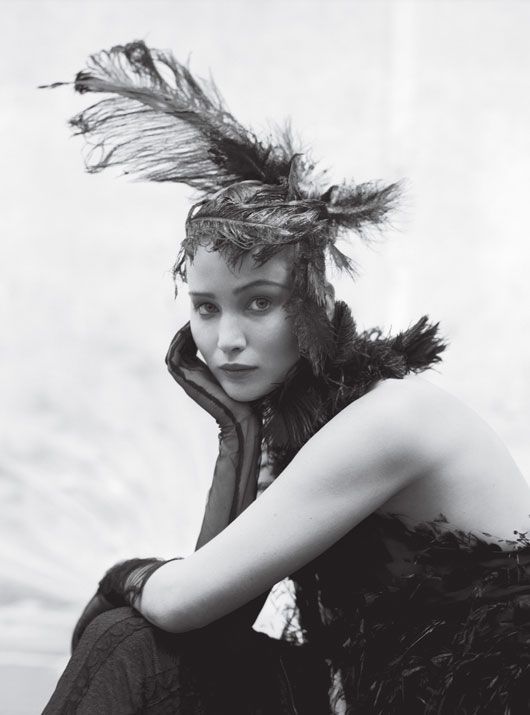
The COVID-19 pandemic fundamentally changed how we approach daily life, and nowhere is this more visible than in our relationship with personal grooming and fashion. The question "Do you dress up during a lockdown?" became surprisingly profound during lockdowns—and the answer, supported by both psychology and emerging AI fashion technology, is a resounding yes. You should absolutely continue dressing up during COVID-19 lockdowns, and AI-driven style platforms are now making this easier than ever.
Why Dressing Up During COVID-19 Lockdowns Matters
One fundamental truth emerged quickly: you should not use a COVID-19 lockdown to simply "give up." When society eventually reopens—as it inevitably does—life demands that you step back into the world with your dignity, health, and confidence intact. The psychological research is clear: maintaining grooming habits and wearing intentional clothing during lockdowns directly correlates with better mental health outcomes, improved productivity, and sustained self-respect.
From a health perspective, the connection is undeniable. When you abandon personal care during COVID-19 isolation, you're not just affecting your appearance—you're impacting your immune system, stress levels, and overall wellness. Physical self-care is intrinsically linked to immunity and psychological resilience. Conversely, maintaining grooming routines and dressing thoughtfully creates a positive feedback loop: you feel better about yourself, which improves your mood, which strengthens your immune response.
The Practical Reality: Dressing Up During COVID-19 Requires Strategy
On one hand, it's scientifically documented that neglecting personal appearance during COVID-19 lockdowns creates a dangerous psychological slide into apathy. On the other hand, if you allow yourself to deteriorate during isolation, you'll face an exponentially harder climb when the world reopens. The momentum you lose compounds dramatically—rebuilding confidence, fitness, and routine discipline becomes infinitely more challenging.
A COVID-19 lockdown should not be treated as extended permission to be lazy. Instead, wise individuals use lockdown periods to intentionally manage their domestic lives, which represents a uniquely meaningful form of work. This includes maintaining your wardrobe, selecting outfits mindfully, and treating yourself with the same care you would during normal circumstances.
How AI Fashion Technology Revolutionizes COVID-19 Lockdown Style
This is where modern AI technology transforms the conversation around dressing up during COVID-19. Artificial intelligence-powered fashion platforms now offer personalized style recommendations based on your preferences, body type, climate, and psychological needs. These systems analyze your existing wardrobe and suggest combinations that maximize versatility while maintaining your sense of purpose.
During COVID-19 lockdowns, when motivation dips and decision-making feels exhausting, AI fashion apps eliminate the friction. Rather than staring into your closet wondering what to wear for a Zoom call or solo home day, intelligent algorithms present curated options in seconds. Some advanced systems even use color psychology to recommend outfits specifically designed to elevate mood and combat pandemic-related depression.
The technology works by tracking:
- Your personal color palette and which hues boost your confidence
- Clothing items you already own, preventing unnecessary purchases during COVID-19 economic uncertainty
- Seasonal appropriateness and weather conditions
- Occasions and activities planned for your lockdown day
- Psychological research on how specific styles impact mental state
The Little Black Dress Philosophy During COVID-19
Fashion wisdom tells us that a little black dress is a staple in anyone's closet precisely because it adapts to any occasion and season. This principle becomes profoundly important during COVID-19 lockdowns. When you're confined at home, having versatile foundational pieces means you can dress up meaningfully without requiring new purchases or complicated decisions.
AI fashion technology builds on this philosophy by helping you maximize existing pieces. Instead of viewing lockdown as a time to abandon style, the algorithm perspective treats it as an opportunity to master versatility. The same black dress becomes a professional background for video calls, casual elegance for outdoor exercise, or confidence-boosting attire for solo at-home activities.
COVID-19 Lockdown Fashion and Psychological Resilience
Mental health professionals consistently report that maintaining routines during COVID-19 isolation significantly impacts depression and anxiety levels. Getting dressed—genuinely dressed, not just throwing on sweatpants—triggers your brain to shift into a more functional, purposeful state. Your clothing becomes a signal to yourself that the day matters, that you matter.
When you dress up during COVID-19 lockdowns, you're communicating to your subconscious mind that normalcy and self-respect remain non-negotiable. This small act of discipline ripples outward: you're more likely to exercise, eat better, engage in productive work, and maintain social connections through video calls when you've already invested in your appearance.
AI Personalization: Removing Barriers to Dressing Up During COVID-19
The greatest barrier to maintaining fashion standards during COVID-19 lockdowns isn't desire—it's decision fatigue. AI systems specifically address this pandemic-era challenge by:
- Generating outfit combinations in 10 seconds versus 20 minutes of mental effort
- Learning your style preferences to eliminate options that won't work
- Suggesting accessories that transform basic pieces into intentional looks
- Tracking what you wore yesterday to prevent repetitive monotony
- Recommending confidence-boosting colors based on your mood input
During COVID-19, when mental energy is depleted by isolation and uncertainty, this technological assistance becomes genuinely valuable rather than frivolous.
The Economic Reality: Dressing Up During COVID-19 Without Overspending
AI fashion technology also solves the financial paradox many faced during COVID-19 lockdowns: maintaining style without new purchases. Intelligent wardrobing systems maximize your existing pieces, revealing combinations you never considered. They identify gaps strategically rather than encouraging impulse buying, helping you invest wisely when you do purchase new items.
This approach respects the economic uncertainty many experienced during COVID-19 while maintaining the psychological benefits of dressing up daily.
FAQ: Dressing Up During COVID-19 Lockdowns
Q: Does it really matter what I wear if I'm staying home during COVID-19?
A: Yes. Research confirms that personal appearance directly impacts mood, motivation, and mental health during isolation. Dressing up during COVID-19 lockdowns signals to your brain that the day has purpose and structure.
Q: What should I wear during COVID-19 lockdowns if I'm not leaving home?
A: Choose clothing that balances comfort with intentionality. AI fashion apps can suggest pieces from your existing wardrobe that feel good while maintaining your standards. The little black dress philosophy applies—versatile, quality basics that work across contexts.
Q: How can AI fashion help during COVID-19 isolation?
A: AI systems eliminate decision fatigue by instantly curating outfit combinations, learning your preferences, and suggesting looks optimized for your goals—whether that's a professional video call or a confidence boost for a solo day at home.
Q: Is dressing up during COVID-19 just about vanity?
A: Absolutely not. Maintaining grooming and clothing standards is evidence-based self