Deborah Turbeville: How AI Is Rediscovering Her Avant-Garde Fashion Photography Legacy
Deborah Turbeville revolutionized fashion photography in the 1970s with her dreamy, mysterious aesthetic that stood apart from her contemporaries. Today, AI-powered visual analysis tools are helping curators, scholars, and creatives rediscover and decode the technical brilliance behind her groundbre

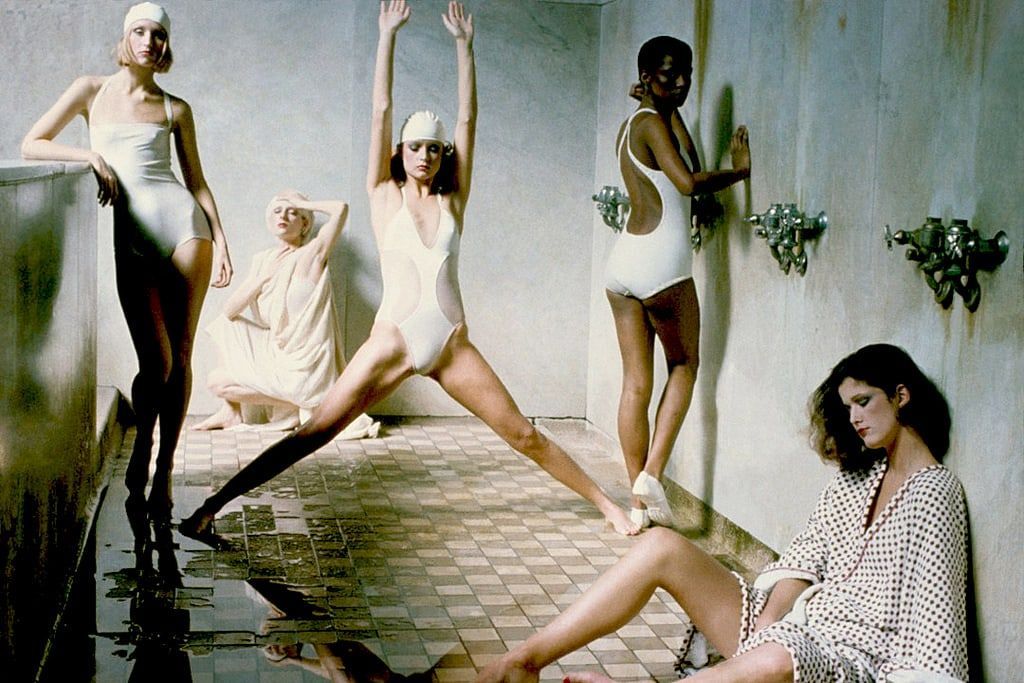
Deborah Turbeville stands as one of the most transformative figures in fashion photography history, yet her legacy is only now being fully understood through the lens of modern artificial intelligence. Beginning in the early 1970s, Turbeville—alongside contemporaries Guy Bourdin and Helmut Newton—fundamentally shifted fashion photography from traditional, well-lit studio work into something far more daring, atmospheric, and conceptually complex. While Newton and Bourdin leaned into what critics called an "urban erotic underworld," Deborah Turbeville carved out her own distinct visual language: one characterized by dreamlike compositions, mysterious lighting, and a distinctly feminine perspective that challenged the male-dominated aesthetic of her era.
By YEET Magazine Staff | Updated: May 13, 2026 | Originally published: February 04, 2021
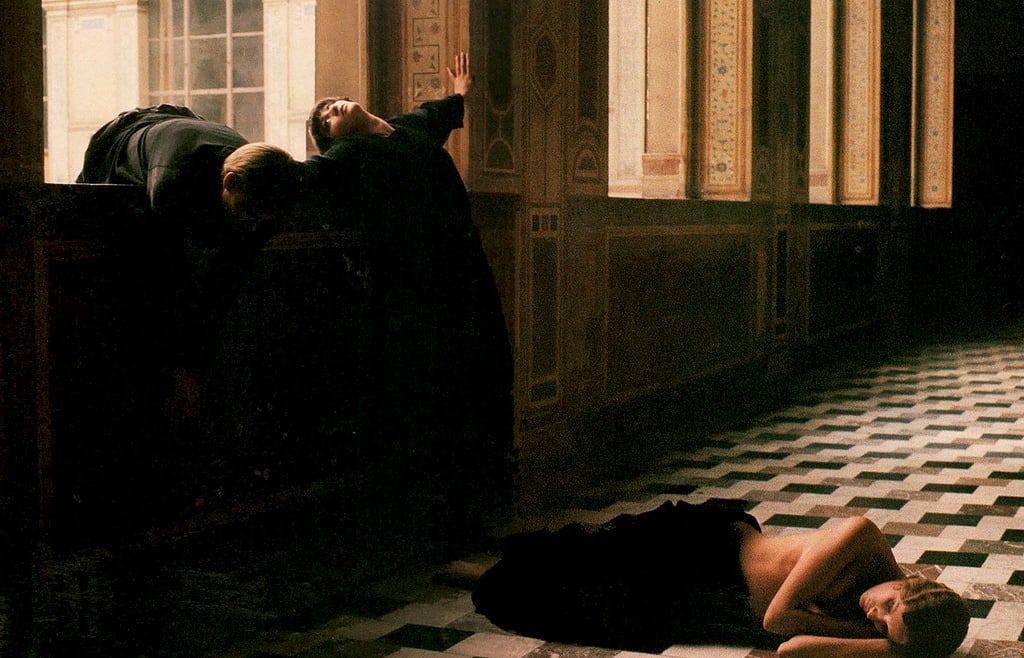
What makes Deborah Turbeville's work particularly fascinating in today's AI-driven creative landscape is how her intuitive artistic choices can now be quantified and analyzed through machine learning algorithms. Contemporary computer vision systems can identify the precise tonal ranges, compositional ratios, and lighting patterns that define her signature style—elements that were previously described only in subjective, qualitative terms. AI image analysis tools now reveal that Turbeville consistently employed specific color palettes dominated by muted earth tones and cool shadows, strategic use of negative space, and a compositional balance that prioritizes psychological mood over product visibility. These technical insights validate what art historians have long intuited: that Deborah Turbeville didn't simply take prettier pictures—she engineered an entirely new visual grammar for how fashion could be presented and perceived.
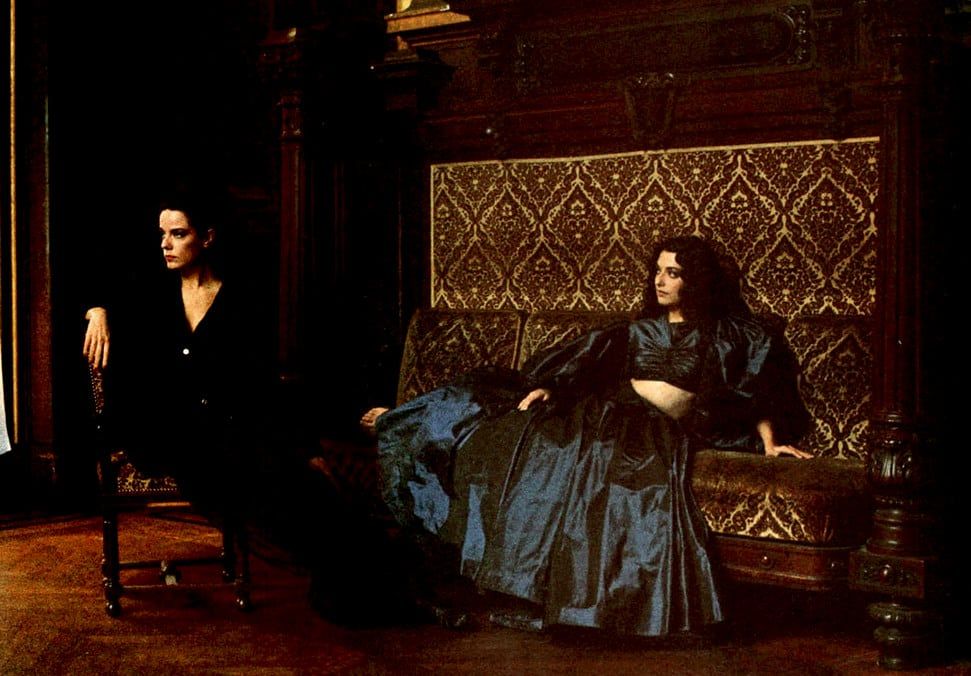
As the only woman and only American among the revolutionary trio of avant-garde fashion photographers, Deborah Turbeville occupied a unique position in late 20th-century visual culture. While her male peers were celebrated for their provocative, often sexualized imagery, Turbeville's work demonstrated that fashion photography could achieve equal artistic weight through subtlety, narrative complexity, and emotional restraint. In 2009, *Women's Wear Daily* formally recognized her achievement, declaring that Turbeville had single-handedly transformed "fashion photography into avant-garde art." This assessment has only grown more resonant as digital humanities scholars and AI researchers have begun analyzing her entire body of work through computational lenses, discovering mathematical patterns and design principles that anticipate contemporary digital aesthetics by decades.
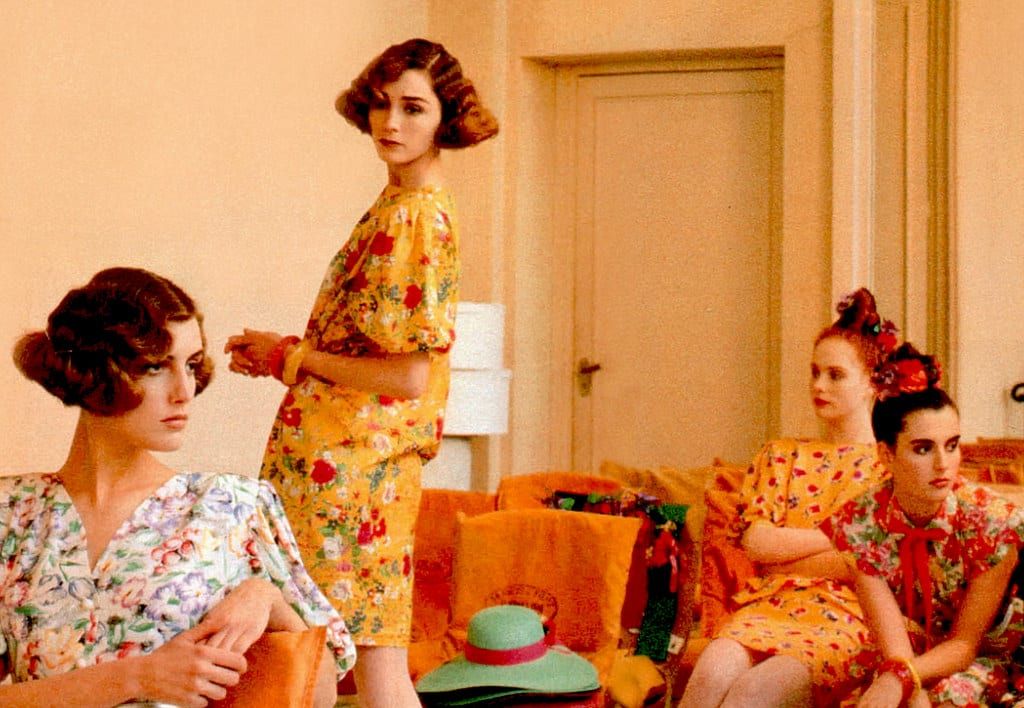
The commercial reach of Deborah Turbeville's photography extended across the most prestigious fashion and lifestyle brands of her era. Her distinctive visual signature appeared in campaigns for Bloomingdale's, Bruno Magli, Nike, Ralph Lauren, and Macy's—major retailers and designers who recognized that her aesthetic elevated their products beyond mere commodity into the realm of art and aspiration. What AI pattern-recognition systems now reveal is how Turbeville maintained absolute visual consistency across these diverse commercial projects, a feat that speaks to her disciplined artistic vision and her ability to impose her aesthetic framework onto any assignment. Machine learning models trained on her portfolio can now predict her stylistic choices with remarkable accuracy, allowing contemporary photographers and AI-assisted designers to understand the underlying principles that made her work so instantly recognizable and influential.
The intersection of Deborah Turbeville's legacy and modern artificial intelligence opens fascinating new avenues for understanding creativity itself. When neural networks are trained on her photographs, they learn not just surface-level visual patterns but something approaching her artistic *intent*—her understanding of how shadow, composition, and emotional tone could work together to create meaning. This has profound implications for how we think about artistic originality, influence, and the transmissibility of creative vision. Students of photography today can use AI tools to analyze Turbeville's work at granular levels previously impossible, studying how she constructed mood through specific lighting angles, how she used fabric textures to create depth, and how her compositional choices guided viewer attention in psychologically sophisticated ways.
Deborah Turbeville's contribution to fashion photography cannot be overstated: she proved that fashion imagery could be intellectually rigorous, emotionally complex, and artistically uncompromising while still serving commercial purposes. Her work rejected the false binary between "commercial" and "art" photography, demonstrating that these categories were artificial limitations imposed by critics rather than inherent constraints. As AI tools become increasingly sophisticated in analyzing visual culture, Turbeville's pioneering work serves as a crucial touchstone for understanding how human creativity operates—how intuition, technique,
Frequently Asked Questions
Q: Who was Deborah Turbeville and why is she important to fashion photography?
A: Deborah Turbeville was a pioneering fashion photographer who emerged in the early 1970s alongside contemporaries like Guy Bourdin and Helmut Newton. She revolutionized fashion photography by introducing dreamlike compositions, mysterious lighting, and a distinctly feminine perspective that challenged the male-dominated aesthetic of her era, moving the medium away from traditional studio work into something far more conceptually complex and atmospheric.
Q: How does AI play a role in rediscovering her legacy?
A: Modern artificial intelligence is helping scholars and audiences re-examine and better understand Turbeville's body of work through advanced analytical tools. AI can identify patterns, themes, and technical innovations in her photography that were previously overlooked, allowing her contributions to fashion photography history to be more fully appreciated and contextualized within contemporary visual culture.
Q: What made Turbeville's visual style different from her contemporaries?
A: While photographers like Helmut Newton and Guy Bourdin were known for exploring an "urban erotic underworld," Turbeville developed her own distinct visual language focused on dreamlike imagery, atmospheric mystery, and innovative lighting techniques. Her work brought a uniquely feminine perspective to fashion photography during an era when the field was predominantly shaped by male photographers and male-centered aesthetics.