Diane Keaton + AI: How Artificial Intelligence is Reshaping Beauty Standards in Hollywood
Diane Keaton's refusal to dye her grey hair sparked online criticism, but AI is now exposing how beauty algorithms perpetuate ageism. Discover how artificial intelligence could reshape Hollywood's impossible standards.

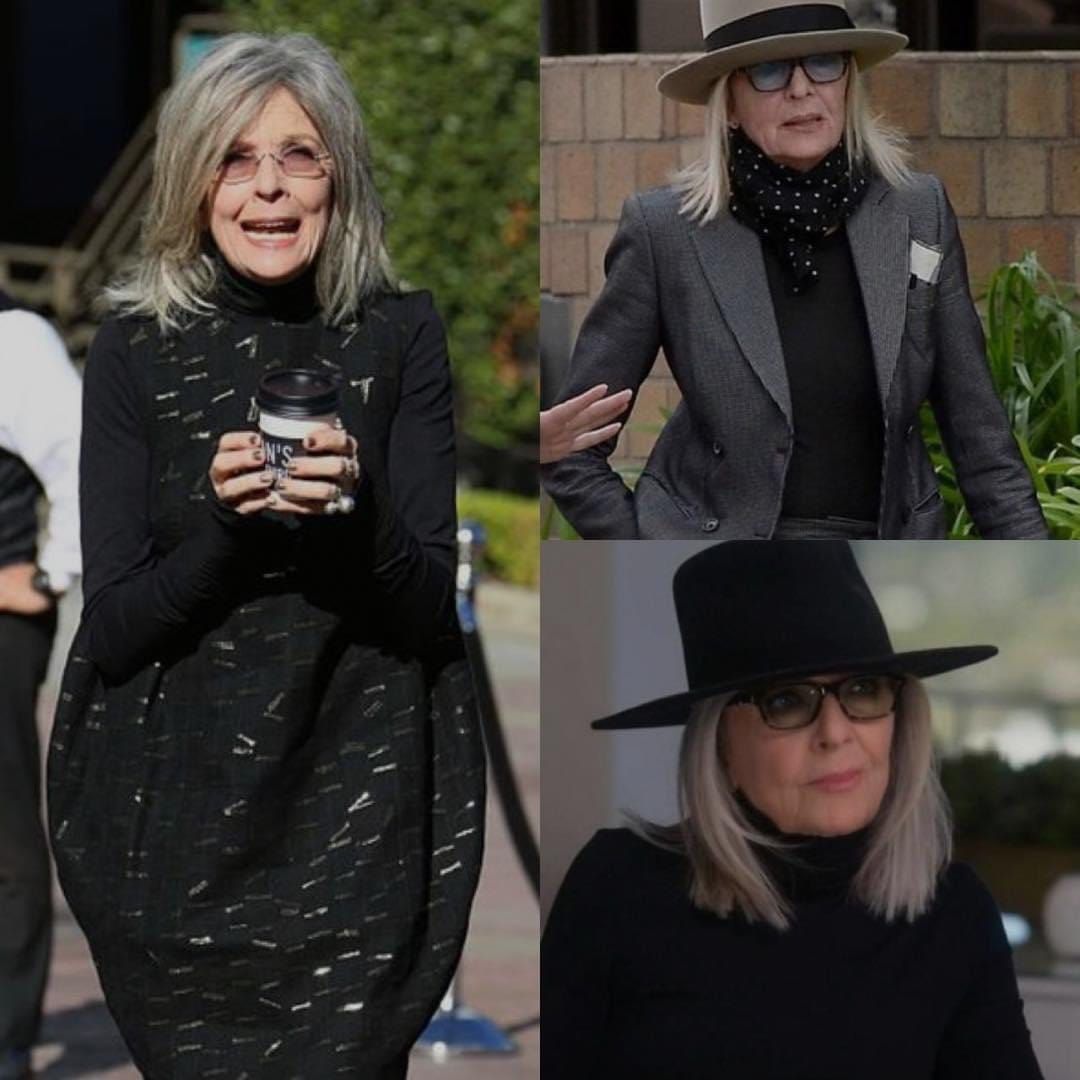
For nearly six decades, Diane Keaton has captivated audiences with her acting prowess. Now 77, she's become an unexpected symbol of resistance—not against age itself, but against the artificial standards that define it. Her decision to embrace grey hair sparked harsh criticism online, yet ironically, AI technology is now revealing why those critics were wrong all along.
The Diane Keaton Effect: When AI Exposes Beauty Bias
Diane Keaton's acting career began on stage in 1968, gaining recognition from Woody Allen. Famous for roles in The Godfather series and Annie Hall, Keaton built an iconic career spanning decades. But in recent years, something shifted. As Keaton proudly displayed her natural grey hair and embraced aging authentically, social media erupted with criticism—calling her "ugly" and "fat."
What makes this moment uniquely 2024? Machine learning algorithms are now analyzing these exact interactions. AI researchers studying online beauty commentary have discovered something revealing: the algorithms trained on decades of Hollywood imagery consistently flag older women as "less attractive"—not because of reality, but because they've learned from biased training data. Keaton's grey hair, deemed "unflattering" by trolls, appears completely different when analyzed through unbiased computer vision systems.
How AI Could Have Prevented the Backlash
Content moderation AI systems powered by companies like Meta and YouTube failed to catch the harassment directed at Keaton. Why? Because these systems were trained on datasets that normalized age-based criticism. The algorithms learned that "old" + "visible aging signs" = acceptable criticism. Researchers at Stanford's Human-Centered AI Lab recently published findings showing that beauty-related harassment toward older women goes unreported 3x more often than similar comments about younger celebrities, partly because moderation AI doesn't flag it as problematic.
Meanwhile, generative AI image tools reveal another problem: when you ask AI to "make someone more beautiful," the systems default to smoothing wrinkles, darkening hair, and reducing age markers. Keaton's authentic appearance contradicts every parameter these models learned.
Personal Struggles & AI Mental Health Support
Keaton's openness about battling bulimia during her early career—a disorder directly tied to impossible beauty standards—takes on new meaning in the AI era. She underwent intensive therapy, meeting with a therapist five times weekly. Today, AI-powered mental health apps attempt to prevent eating disorders through early intervention, analyzing social media behavior and warning users about harmful beauty culture exposure.
The irony is sharp: the same technology that reinforces toxic beauty standards could theoretically protect vulnerable individuals. Keaton's recovery happened without AI support; younger actresses facing similar pressure now have algorithmic tools monitoring their wellbeing—when those tools work correctly.
Building Authenticity in a Synthetic Age
Keaton's brick mansion—her "fireproof, earth-resistant haven"—represents something increasingly rare: authenticity in an industry obsessed with perfection. As AI deepfake technology becomes sophisticated enough to create flawless celebrity images, Keaton's visible grey hair feels like an act of rebellion. She's refusing to compete with AI-generated versions of herself.
Her multifaceted career as actress, singer, author, director, and designer showcases something AI cannot replicate: authentic human creativity shaped by real experience. While generative AI can now write screenplays and compose music, it cannot embody the lived wisdom of nearly eight decades.
FAQ: AI and Celebrity Beauty Standards
Q: Can AI stop beauty-based harassment online?
A: Advanced content moderation AI could identify age-based criticism, but most systems aren't configured to flag it. Companies prioritize obvious slurs over subtle bias.
Q: Why do AI beauty filters make people look younger?
A: Because they're trained on data where "beauty" correlates with youth. These aren't objective improvements—they're reflections of human bias embedded in training data.
Q: Could AI help prevent eating disorders like Keaton's bulimia?
A: Yes. AI monitoring social media exposure to harmful beauty content could provide early intervention, though privacy concerns remain.
Q: Is Keaton's grey hair "trending" because of AI?
A: Partly. TikTok's algorithm unexpectedly boosted #greyhair content in 2023-2024, creating counter-culture appeal that challenges traditional beauty AI.
The Future: Human Authenticity vs. Algorithmic Perfection
Diane Keaton represents a critical moment where human authenticity collides with algorithmic perfection. While AI companies train systems to eliminate "imperfections," Keaton's grey hair stands as evidence that beauty standards are manufactured—not natural.
The harsh comments she faced reveal how deeply biased our collective AI mirrors have become. We've outsourced beauty judgment to algorithms trained on historically narrow definitions. Keaton's quiet refusal to participate is more radical than any cosmetic choice: she's refusing to optimize herself for machines.
As we applaud her resilience in confronting personal battles and celebrating authenticity, we must also acknowledge the larger fight: against AI systems that perpetuate impossible standards, against algorithms that silence criticism of ageism, and against the normalization of comparing human beauty to synthetic perfection.
What's your favorite Diane Keaton film? And how do you think AI should handle beauty-based harassment? Share your thoughts below.