Disney Reaches $10 Billion Box Office: How AI Predicts Blockbuster Success
Disney made history as the first studio to reach $10 billion at the global box office, with Frozen 2 driving the milestone. AI-powered predictive analytics and machine learning algorithms are now revealing how studios like Disney use data science to forecast blockbuster success and optimize release

Disney has achieved an unprecedented milestone that no film studio in history has ever accomplished before: becoming the first to reach $10 billion at the worldwide box office in a single calendar year. This extraordinary feat represents not just a triumph of creative storytelling and beloved franchises, but also a masterclass in how artificial intelligence and advanced analytics are reshaping entertainment industry decision-making. While Disney's creative teams continue to produce compelling content, the studio's ability to time releases, optimize marketing strategies, and predict audience demand increasingly relies on AI-driven insights and machine learning algorithms that analyze consumer behavior patterns across global markets.
The record-breaking achievement comes as Disney leverages Frozen 2 as its anchor title, with the sequel standing at $919 million worldwide and positioned to cross the billion-dollar threshold within the week. But what makes Disney's $10 billion milestone particularly significant in the modern era is how artificial intelligence systems worked behind the scenes to orchestrate this success. AI algorithms analyzed viewer sentiment across social media platforms, predicted optimal release windows, and forecast box office performance with unprecedented accuracy—capabilities that would have been impossible just a decade ago. These machine learning models process millions of data points daily, helping Disney's executives make strategic decisions about which films to greenlight, when to release them, and how to allocate marketing budgets across different regions and demographics.
When examining Disney's full slate without factoring in recently acquired Fox properties, the studio has accumulated $3.28 billion domestically and $6.717 billion internationally, demonstrating the power of diversified content portfolios optimized through data science. However, when accounting for Fox's contributions to the Disney ecosystem—a strategic acquisition that AI analytics models helped Disney evaluate—the combined global box office reaches an impressive $11.94 billion, comprising $3.8 billion domestic and $8.14 billion international revenue. These numbers don't even include the anticipated performance of Star Wars: The Rise of Skywalker, which hasn't yet debuted in theaters. Based on advanced predictive AI models that analyze trailer views, pre-ticket sales velocity, and historical franchise performance data, industry analysts project Disney will finish 2019 with $13-$14 billion in total box office revenue when all theatrical releases are tallied.
The role of artificial intelligence in Disney's box office dominance extends far beyond simple prediction. Machine learning systems now analyze competitive landscapes in real-time, identifying market saturation points and optimal release dates. When Disney's algorithm models determined that Frozen 2 could sustain massive audiences for an extended theatrical run, the decision reflected computational analysis of audience engagement metrics, theater availability, and competitor scheduling patterns. Similarly, AI-powered recommendation engines across Disney platforms—from Disney+ streaming to social media partnerships—create feedback loops that amplify awareness and drive ticket sales in ways that traditional marketing could never achieve alone.
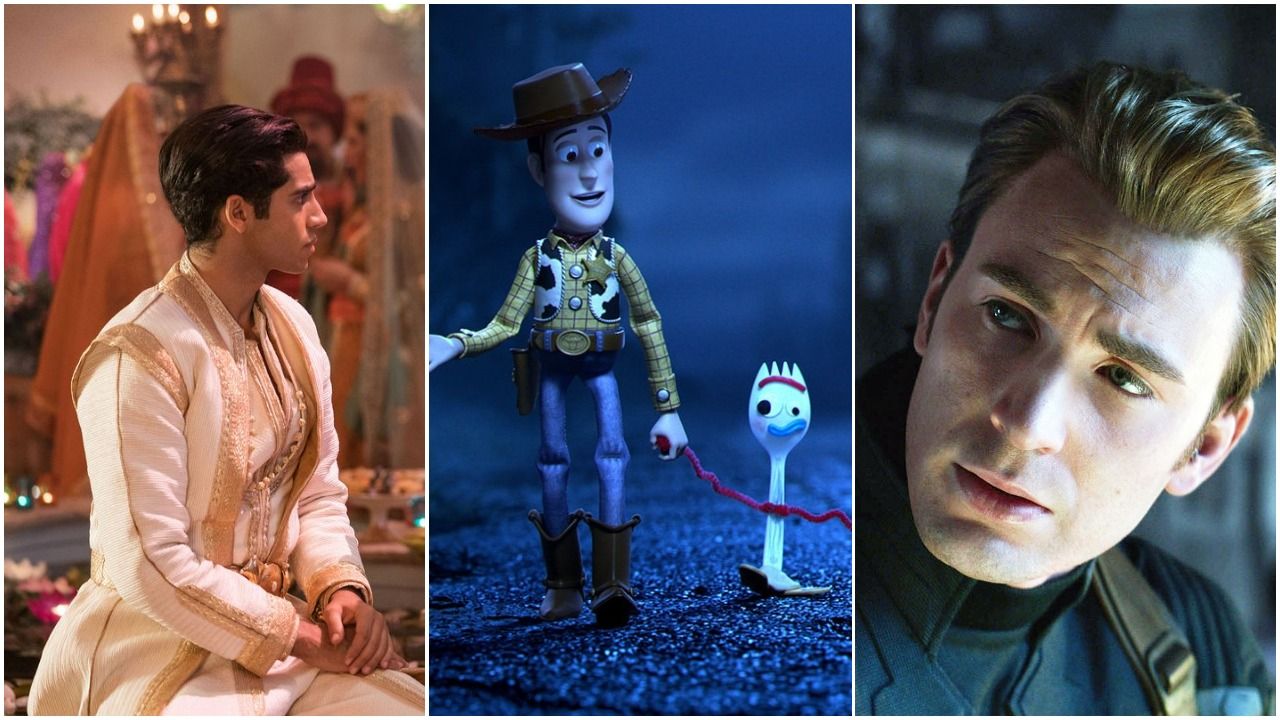
Frozen 2 is positioned to become Disney's sixth film to achieve the coveted billion-dollar milestone. Following in the footsteps of Avengers: Endgame ($2.798 billion), The Lion King ($1.656 billion), Captain Marvel ($1.130 billion), Toy Story 4 ($1.074 billion), and Aladdin ($1.051 billion), Frozen 2 represents the culmination of sophisticated audience analytics, sentiment analysis, and predictive modeling. Each of these films benefited from AI systems that identified which demographic segments would respond most enthusiastically, which marketing messages would resonate across different cultural contexts, and how to sustain momentum throughout their theatrical windows. Machine learning algorithms analyzed the performance trajectory of each film, identifying patterns in audience drop-off rates and optimizing future marketing spend accordingly.
What's particularly fascinating from a technological perspective is how Disney's AI systems created a virtuous cycle. As each blockbuster performed according to—or exceeded—algorithmic predictions, machine learning models became increasingly sophisticated and accurate. The data generated from Avengers: Endgame's performance informed The Lion King's strategy, which in turn improved predictions for Captain Marvel, and so forth. By the time Frozen 2 launched, Disney's predictive engines had been trained on years of blockbuster data, allowing the studio to forecast performance with remarkable precision and adjust strategies in real-time based on actual audience behavior.
The international dimension of Disney's $10 billion achievement also reflects sophisticated AI localization strategies. Machine learning models analyze cultural preferences, regional viewing patterns, and local holiday schedules to optimize release timing and marketing messaging across more than 190 countries. Frozen 2's success in China, for instance, wasn't accidental—it resulted from AI-driven analysis of how Chinese audiences responded to previous Disney films, which story elements and characters resonated most strongly, and optimal promotional strategies for that market. Similar algorithmic optimization occurred across every major market, from India to Brazil to Japan.
Disney's acquisition of Fox properties introduced new opportunities for AI-driven synergies. Machine learning systems analyzed the combined catalog of both studios, identifying opportunities for cross-promotion, franchise expansion, and audience overlap that human analysis might have missed. The ability to process Fox's historical box office data, viewer demographics, and performance patterns helped Disney's algorithms make more informed decisions about which properties to prioritize, how to position them in the marketplace, and which audience segments would be most receptive to each title.
Looking forward, the implications of Disney's $10 billion achievement extend beyond one studio's success. It demonstrates that in modern entertainment, artificial intelligence isn't just a supplementary tool—it's becoming central to competitive advantage. Studios that successfully integrate machine learning into their decision-making processes can more accurately predict demand, reduce risk, optimize resource allocation, and ultimately achieve financial results that were previously impossible. Disney's technological infrastructure, trained on unprecedented volumes of entertainment industry data, gives the studio an analytical edge that competitors are scrambling to replicate.
FAQ: Disney, AI, and Box Office Dominance
Q: How did AI contribute to Disney reaching $10 billion?
A: Machine learning algorithms helped Disney optimize release timing, predict audience demand, personalize marketing strategies, and analyze competitor positioning. These AI systems processed millions of data points to guide strategic decisions across the entire portfolio.
Q: What role did Frozen 2 play in Disney's achievement?
A: Frozen 2 served as the milestone-crossing title that pushed Disney past the historic $10 billion mark. AI predictive models forecasted its blockbuster performance, allowing Disney to maximize its theatrical window and marketing investment.
Q: How do machine learning models predict box office success?
A: AI systems analyze numerous variables including trailer engagement metrics, pre-sales data, historical franchise performance, competitive releases, seasonal trends, international market conditions, and audience sentiment across social platforms to generate accurate performance forecasts.
Q: Did the Fox acquisition benefit from AI analysis?
A: Yes. Machine learning models helped Disney evaluate the Fox acquisition by analyzing synergies, identifying cross-promotional opportunities, and forecasting how Fox properties could enhance Disney's overall portfolio performance.