Elizabeth Holmes and Theranos: How AI Fraud Detection Failed Silicon Valley's Biggest Scam
Elizabeth Holmes built Theranos into a $9 billion fraud by claiming a revolutionary blood-testing machine existed—when it didn't. Today, AI-powered fraud detection systems could have identified the deception earlier, revealing critical gaps in how venture capital and media vet startup claims.

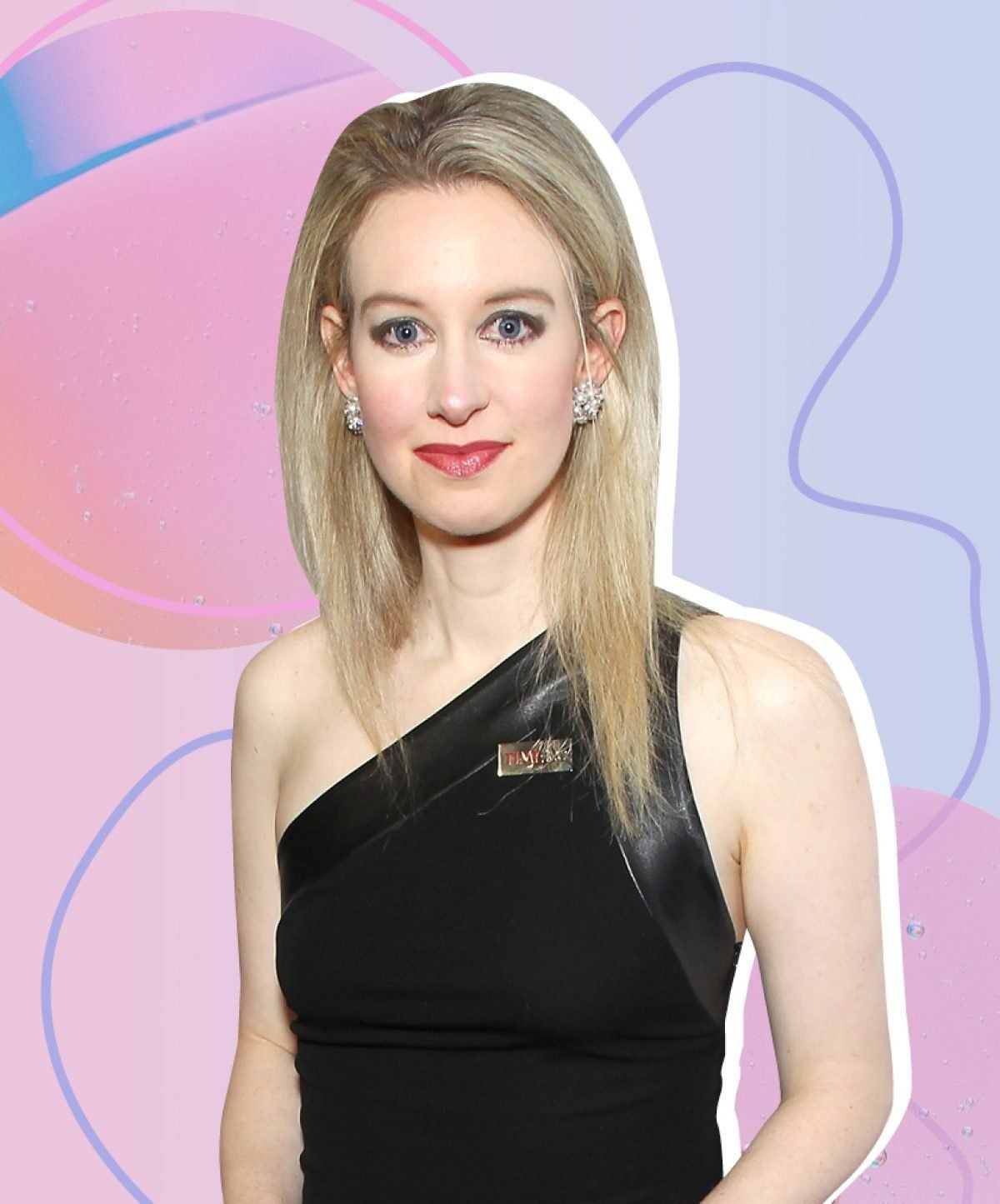
Elizabeth Holmes was once hailed as Silicon Valley's next Steve Jobs. At just 30 years old, the Theranos founder had achieved what seemed impossible: she became the world's youngest self-made billionaire, complete with the iconic black turtleneck uniform borrowed from her hero. But behind the carefully curated image of Elizabeth Holmes lay one of history's most audacious frauds—a deception so complete that it fooled venture capitalists, journalists, and regulators for over a decade. Today, artificial intelligence and advanced fraud detection systems raise a critical question: could modern technology have exposed Elizabeth Holmes and Theranos much sooner?
By YEET Magazine Staff | Updated: May 13, 2026
The Theranos story begins with a seemingly brilliant idea. Elizabeth Holmes dropped out of Stanford University in 2003 after her second year, inspired by a transformative summer spent in Asia during the SARS outbreak. Watching healthcare workers struggle with outdated blood-testing technology—syringes, nasal swabs, invasive procedures—Holmes became convinced that a better solution existed. She imagined a machine capable of performing hundreds of medical tests from a single drop of blood obtained through a simple fingerstick, all at a fraction of the cost of traditional laboratory testing. The vision was compelling, revolutionary even. But there was one critical problem: the technology Elizabeth Holmes promised to the world did not actually work.
Despite warnings from her Stanford mentor Phyllis Gardner, who expressed serious skepticism about the feasibility of Holmes' vision, the young entrepreneur founded Theranos in 2003 and began the relentless pursuit of capital. What followed was a masterclass in deception that modern AI fraud detection systems might have unraveled years earlier. Between 2003 and 2015, Elizabeth Holmes raised an astonishing $900 million from venture capitalists, pharmaceutical companies, Walgreens, and Safeway—all based on a technology that existed only in her presentations and marketing materials.
The venture capital ecosystem that enabled Elizabeth Holmes' fraud operated on principles fundamentally at odds with due diligence. As journalist Nick Bilton explained in Vanity Fair, venture capitalists intentionally maintain a willful blindness toward the companies they fund. "Tiny Silicon Valley has created more wealth than any other place in human history," Bilton wrote. "No one has any interest in saying that anything is bogus." This environment created the perfect conditions for Elizabeth Holmes to thrive. VCs place bets across dozens of companies, hoping one will become a unicorn. In this high-risk, high-reward model, skepticism is viewed as a weakness, and entrepreneurs who speak the language of world-changing innovation receive standing ovations rather than scrutiny.
Elizabeth Holmes understood this ecosystem intuitively. She crafted a narrative that appealed to venture capitalists' deepest desires: the chance to fund the next Steve Jobs, to be part of a world-changing company, to claim a seat at the table of history. The media amplified this narrative enthusiastically. Glossy magazine profiles celebrated her visionary leadership. Business journalists marveled at her ability to attract top talent and prestigious partnerships. Very few voices questioned whether Theranos' core claims—that the Edison machine could perform 200+ tests from a single drop of blood with accuracy matching traditional laboratory equipment—were actually true.
It took investigative journalist John Carreyrou to expose the truth. In October 2015, nearly twelve years after Elizabeth Holmes founded Theranos, Carreyrou published groundbreaking articles in The Wall Street Journal revealing the fraud. The Theranos machines did not work as advertised. The company had misled investors, regulators, business partners, and patients. Carreyrou's investigation became the basis for his acclaimed book "Bad Blood: Secrets and Lies in a Silicon Valley Startup," which was later adapted into a major film directed by Adam McKay (known for "The Big Short") and starring Jennifer Lawrence.
Where artificial intelligence and fraud detection enter this story is crucial. Modern AI systems, when properly deployed, can identify patterns of deception that human investors and journalists miss. Elizabeth Holmes' fraud left digital footprints: inconsistent claims about device capabilities, pressure on employees to misrepresent results, destroyed evidence, and financial irregularities. Today's AI-powered verification tools could have cross-referenced Theranos' public claims against scientific literature, regulatory filings, and employee communications. Machine learning algorithms trained on patterns of startup fraud could have flagged the warning signs: the extreme secrecy, the lack of peer-reviewed validation, the dismissal of scientific skepticism as "not understanding the vision."
The venture capital industry has since incorporated more rigorous technical due diligence, though many of the same vulnerabilities persist. Elizabeth Holmes succeeded because she exploited human psychology—the desire to believe in genius, the fear of missing out on the next big thing, and the social pressure to appear visionary rather than cautious. These remain challenges for fraud detection, whether human or artificial.
The regulatory response to Elizabeth Holmes and Theranos has been substantial. Holmes was convicted of fraud in January 2022 and sentenced to over 11 years in federal prison. Theranos dissolved completely. But the episode exposed fundamental gaps in how startup claims are verified before massive capital is deployed. Today, some venture firms are exploring AI-assisted due diligence: systems that analyze pitch decks for misleading claims, that verify technical feasibility against scientific consensus, and that flag organizational red flags associated with fraudulent companies.
For the tech industry, Elizabeth Holmes remains a cautionary tale about the dangers of unchecked hype and insufficient verification. Silicon Valley's culture valorizes founders who think differently and reject conventional wisdom. Elizabeth Holmes weaponized this value system, claiming that skepticism itself was the real enemy of progress. She told investors that doubters simply "didn't understand" the technology—a claim that silenced questions rather than inviting scrutiny. This rhetorical strategy worked brilliantly until it didn't.
The rise and fall of Elizabeth Holmes and Theranos ultimately demonstrates that human judgment, even when informed by vast experience and resources, remains vulnerable to sophisticated deception. Artificial intelligence cannot replace human intuition and ethical oversight, but it can serve as a powerful complement. AI systems designed to verify technical claims against scientific reality, to identify inconsistencies in founder narratives, and to flag organizational patterns associated with fraud could have shortened the timeline of Theranos' deception significantly. Whether the venture capital and startup ecosystem will fully embrace such tools remains an open question—one that Elizabeth Holmes' victims continue to grapple with.
Frequently Asked Questions About Elizabeth Holmes and Theranos
What was Theranos and what did Elizabeth Holmes claim it could do?
Theranos was a health technology company founded by Elizabeth Holmes in 2003. She claimed to have invented the "Edison" machine, a device capable of performing hundreds of medical tests using only a few drops of blood obtained through a fingerstick. Holmes promised this technology would revolutionize blood testing by making it faster, cheaper, and less invasive than traditional laboratory methods.
How was the Theranos fraud discovered?
Investigative journalist John Carreyrou exposed the fraud through a series of Wall Street Journal articles published in October 2015. Carreyrou's investigation revealed that Theranos' Edison machines did not work as advertised and that the company had systematically misled investors, business partners, regulators, and patients about the device's capabilities.
How much money did Elizabeth Holmes raise for Theranos?
Elizabeth Holmes raised approximately $900 million for Theranos between 2003 and 2015. Investors included prominent venture capital firms, pharmaceutical companies, and major retailers like Walgreens and Safeway.
What happened to Elizabeth Holmes after her fraud was exposed?
Elizabeth Holmes was arrested and tried on multiple counts of fraud and conspiracy. In January 2022, she was convicted on four counts of wire fraud and acquitted on others. She was sentenced to over 11 years in