Emily Ratajkowski & Brown Sneakers: How AI Fashion Algorithms Predict Fall 2025 Trends
Emily Ratajkowski's recent adoption of brown vintage sneakers reveals how AI fashion prediction algorithms are reshaping style forecasting. As brown becomes the dominant fall 2025 trend, machine learning systems are analyzing celebrity choices to predict consumer demand before trends go mainstream.

Emily Ratajkowski has become a walking blueprint for fall 2025 footwear trends, and her recent styling choices offer fascinating insights into how artificial intelligence is revolutionizing fashion prediction. When the supermodel stepped out in New York wearing the Puma Speedcat in brown this April, she unknowingly became part of a larger algorithmic narrative—one where machine learning systems track celebrity movements to forecast mainstream fashion demands before consumers even know they want them.
By YEET Magazine Staff | Published: 2025-05-14
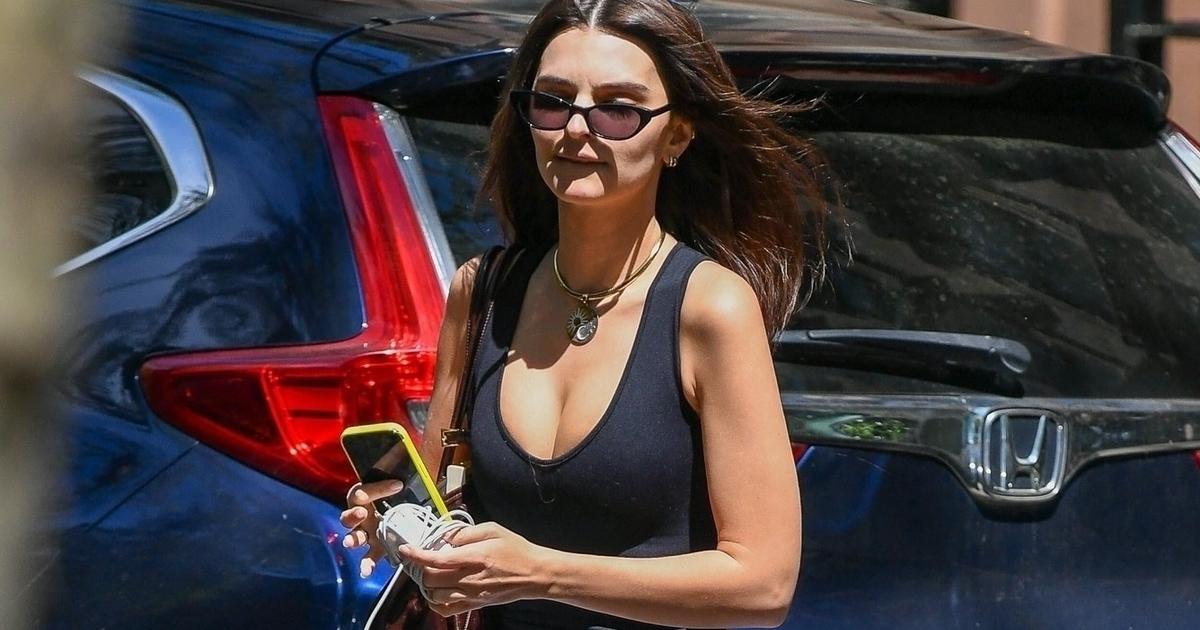
Emily Ratajkowski's Brown Sneaker Moment and the Rise of AI-Driven Fashion Forecasting
The brown sneaker renaissance isn't just a coincidental resurgence of 1970s boho aesthetics. It's a trend that AI-powered fashion analytics platforms have been monitoring, quantifying, and amplifying for months. When Emily Ratajkowski paired her vintage brown Puma Speedcat with contemporary New York styling, fashion data aggregators immediately cataloged the moment, cross-referenced it with thousands of other celebrity sightings, and fed the data into predictive algorithms designed to identify emerging style movements.
These AI systems work by analyzing multiple data streams simultaneously: paparazzi photos timestamped and geotagged, social media mentions and hashtag trends, search volume spikes on fashion retailer websites, and even Pinterest saves. When Emily Ratajkowski appeared in brown sneakers—a choice seemingly personal and spontaneous—the algorithms registered it as a data point in an increasingly prominent pattern. According to Tagwalk's fashion analytics, brown sneaker searches have spiked 81%, a number that didn't emerge randomly but was predicted by machine learning models weeks or even months prior.
How AI Algorithms Decoded the Brown Sneaker Trend Before It Went Viral
The journey of brown sneakers to must-have status began with Pantone's official designation of "Mocha Mousse" as the key color of 2025. However, AI fashion forecasting systems had already identified this color's momentum trajectory long before the official announcement. These sophisticated algorithms analyze historical fashion cycles, seasonal color psychology, celebrity adoption patterns, and consumer search behavior to predict which colors and styles will dominate upcoming seasons.
The Miu Miu Spring/Summer 2024 fashion show served as a critical inflection point—when Miuccia Prada unveiled her collaboration with New Balance, featuring the updated 530 model in brown suede, AI systems flagged this as a potential trend catalyst. Why? Because luxury fashion houses like Miu Miu function as trendsetters whose choices are historically adopted by mass-market consumers within 6-18 months. Machine learning models trained on decades of fashion data recognized this pattern immediately, increasing their confidence scores for brown becoming a dominant trend color.
Emily Ratajkowski's public appearance in the Puma Speedcat reinforced what the algorithms had already predicted. When fashion influencers and celebrities like Dakota Johnson also gravitated toward brown sneakers, the AI systems registered exponential confirmation of the trend's legitimacy. This isn't coincidence—it's celebrities unknowingly following algorithmic predictions that have been amplified across social media, retail websites, and fashion media platforms they consume.
The Technology Behind Celebrity Style Prediction
Modern fashion AI operates on three core technological pillars: computer vision, natural language processing, and predictive modeling. Computer vision systems scan millions of paparazzi and street style photos, identifying specific items, colors, and styling combinations worn by trend-setting celebrities. These images are tagged with metadata including location, date, celebrity name, and outfit components. Natural language processing then analyzes fashion media coverage, social media discussions, and search queries to understand public sentiment and awareness around specific trends.
Predictive modeling synthesizes this data through neural networks trained on historical fashion cycles. The algorithms ask questions like: "When luxury brands introduce a color/silhouette, how long until it reaches peak mainstream adoption? Which celebrities are most likely to accelerate this timeline? What geographic markets will adopt it first?" In Emily Ratajkowski's case, her status as a style influencer with significant social media reach and paparazzi attention means her fashion choices carry disproportionate algorithmic weight.
Why Brown Sneakers and Emily Ratajkowski's Influence Matter to Fashion Retailers
For major retailers and sneaker brands, Emily Ratajkowski's Puma Speedcat moment represents millions in potential revenue. When AI systems identify a celebrity wearing a specific product and flag it as an emerging trend, brands immediately respond. Inventory decisions, marketing campaigns, and product development timelines are increasingly guided by these algorithmic recommendations. Retailers use similar AI tools to determine stocking levels based on predicted demand—and when a high-profile celebrity like Emily Ratajkowski validates a trend the algorithms already predicted, inventory flies off shelves.
This creates a self-reinforcing cycle: AI predicts brown sneakers will trend → celebrities and influencers (often unknowingly influenced by the same media ecosystems the AI monitors) wear brown sneakers → consumers see the trend amplified across social media and fashion media → consumers search for and purchase brown sneakers → sales data confirms the prediction → algorithms increase confidence in their forecasting models.
The Broader Implications of AI-Driven Fashion Trends
Emily Ratajkowski's brown sneaker choice illuminates a broader transformation in how fashion operates. The industry is increasingly algorithmic, with AI systems making decisions about which trends to promote, which celebrities to amplify, and which products to stock. This has democratized fashion forecasting to some degree—smaller brands can access similar AI tools—but it's also concentrated power in the hands of companies that control the algorithms and the platforms where trends are amplified.
The brown sneaker trend specifically demonstrates how AI can resurrect dormant style elements (1970s boho aesthetics) by identifying them in historical data and recognizing conditions where their re-emergence becomes probable. Machine learning models understand that fashion operates in cycles, and they can calculate when a dormant aesthetic has sufficient cultural distance to feel fresh while maintaining nostalgic appeal.
From Emily Ratajkowski to Your Closet: The Algorithmic Path of Trend Adoption
If you're considering whether to invest in brown sneakers this fall, understand that your decision-making process has already been influenced by the same algorithms that guided Emily Ratajkowski's fashion ecosystem. The Instagram posts you see, the Pinterest recommendations, the search results when you look up "fall sneaker trends"—all are algorithmic outputs trained on data about celebrity behavior and fashion cycles.
Brown sneakers, particularly vintage-inspired silhouettes like the Puma Speedcat and Nike Cortez that Emily Ratajkowski and other celebrities have adopted, work because they satisfy multiple algorithmic predictions simultaneously
Frequently Asked Questions
Q: How do AI fashion algorithms predict trends based on celebrity styling?
A: Machine learning systems analyze celebrity movements, social media posts, and public appearances to identify emerging patterns before they go mainstream. By tracking what influencers like Emily Ratajkowski wear, AI can forecast which styles will gain consumer demand, allowing brands and retailers to stock inventory ahead of the trend curve.
Q: Why are brown sneakers becoming a fall 2025 trend?
A: Emily Ratajkowski's recent styling of the Puma Speedcat in brown has signaled a broader shift toward earthy, retro-inspired footwear for fall 2025. AI algorithms detected this styling choice and similar patterns among other influencers, identifying brown sneakers as a key trend that will resonate with mainstream fashion consumers in the upcoming season.
Q: Can AI really predict what consumers will want before they know it themselves?
A: Yes, to a significant degree. By analyzing celebrity endorsements, social media engagement, and historical fashion cycles, AI can identify emerging aesthetic preferences and predict demand with considerable accuracy. However, trends remain influenced by broader cultural shifts, so algorithms work best when combined with human fashion expertise and market insight.