How AI and Facial Recognition Are Changing Celebrity Rights: The Fab Morvan Case
Fab Morvan's fight for unpaid image rights reveals a critical gap: without AI-powered identity verification and blockchain tracking, artists can't prove ownership of their own likeness. As deepfakes rise, the entertainment industry needs automated systems to protect performer data.

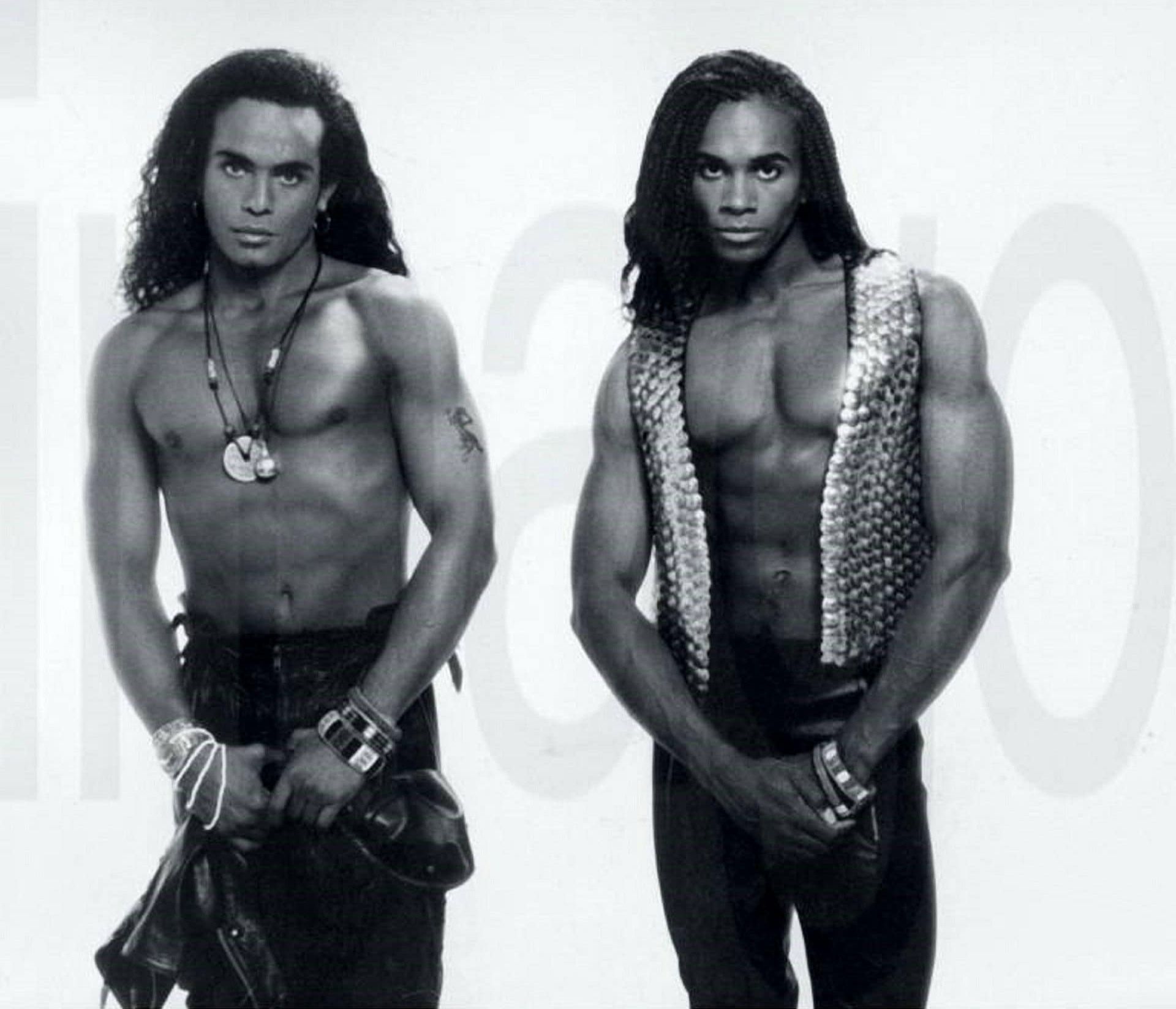
Fab Morvan's unpaid image rights claim exposes a brutal truth: the entertainment industry still lacks automated systems to track and verify who actually owns performer likenesses. Thirty-five years after the Milli Vanilli scandal, we have AI facial recognition, blockchain, and digital watermarking—yet artists still fight manually for compensation. Without smart contracts and automated royalty distribution, legacy labels continue profiting from artist data while performers get nothing. The documentary's resurfacing of his story should trigger a reckoning: it's time for AI-powered identity verification and transparent rights management in entertainment.
By YEET Magazine Staff | Updated: May 13, 2026
Here's the real problem nobody's talking about: Fab Morvan's image was commodified, packaged, and sold without his consent or ongoing compensation. Thirty-five years later, Sony's releasing compilations and Paramount+ is streaming the documentary. His image generates revenue. He doesn't see it.
If the music industry deployed facial recognition systems tied to smart contracts, artists could automatically receive payments whenever their likeness appears in media. Every stream, every frame of the documentary, every merchandise piece could trigger instant micro-payments to the correct rights holder.
The Milli Vanilli scandal itself—a case built on deception about identity—makes this even more ironic. The industry manufactured false identities. Today, deepfake technology can create fake identities. We need the opposite: absolute certainty about who's who and who owns what.
Current music contracts still rely on manual auditing and legal teams chasing payments. It's 2024. We have the tech. We're just not using it.
Kembrew McLeod, professor of communication studies at the University of Iowa, pointed out how "the image of these two particular Black bodies with the vocal stylings of the Black vocalists whose voices were not theirs speaks to the legacy of the way that Black performers have been marketed in America." That legacy continues digitally. Without automated systems, the exploitation just gets faster.
The documentary reveals Clive Davis's involvement in the lip-synching cover-up and the reluctance of label executives to admit knowledge of the fraud. Data proves intention. If record labels had to publish algorithmic audits of who performed, who lip-synched, and who gets paid—suddenly transparency becomes mandatory.
Blockchain-based royalty systems already exist. Platforms like Audius and Royal use distributed ledgers to track who owns what. The problem? Legacy labels have zero incentive to adopt them. They're still profiting under the old opacity.
Morvan's case is happening in real-time right now. Every time someone watches that Paramount+ documentary, data flows. Viewership gets tracked. Ad revenue gets calculated. Algorithms decide what to recommend next. None of that money automatically flows to the person whose image built the story.
Machine learning could categorize every frame of footage featuring Morvan and automatically flag it for rights compensation. Computer vision systems could track his likeness across all platforms. It's not sci-fi. It's available now.
The music industry's resistance to automation here isn't technical—it's economic. Labels profit from the current chaos. They'd rather fight artists in court than implement systems that distribute payments automatically.
Until artists own their biometric data the way they should own their music, stories like Morvan's will keep repeating. And deepfakes will make it worse. If we can't even prove who real performers are anymore, how do we protect their rights?
The tech exists. The contracts exist. What's missing is the will to implement them.
What you're probably wondering
Could facial recognition systems actually prevent Milli Vanilli-style fraud today?
Partially. AI video analysis could detect lip-synching in real-time by analyzing mouth movements against audio waveforms. But the real issue is enforcement—labels would have to *want* to use it. The technology to catch lip-synching has existed for years. The Milli Vanilli era had no such tools, which made the deception possible for months.
How would blockchain help Fab Morvan get paid?
Smart contracts could automatically distribute royalties whenever his image appears in licensed content. Every time the documentary streams, a micro-payment triggers to his wallet without middlemen. Right now, he has to hire lawyers and negotiate manually. Blockchain removes that friction—if labels would implement it.
Are there already AI systems tracking performer image rights?
Yes, but they're fragmented and not widely adopted. Companies like Binded and Fingerprint use AI to track digital content ownership. The problem is adoption. Legacy labels haven't integrated these systems because they benefit from the current opacity.
How could deepfakes make this worse for artists like Morvan?
If synthetic media becomes indistinguishable from real footage, proving Morvan performed something (or didn't) becomes nearly impossible. Ironically, we'd need better AI systems to authenticate *which* performances are real. Biometric verification becomes essential.
Would AI-powered systems actually be fair to artists?
Only if artists control the systems. Right now, labels control platforms. We need decentralized alternatives where performers own their biometric data and set their own terms. That requires legal reform, not just technology.
The Milli Vanilli story gets remixed every generation. Without automated, transparent systems, Fab Morvan's image rights battle will look primitive in ten years when we're arguing about whether a deepfake of him deserves royalties.
Read more about how AI is automating music production and blockchain's role in fixing artist payments.
```